
Parents of children with disabilities experience psychological distress more often — study
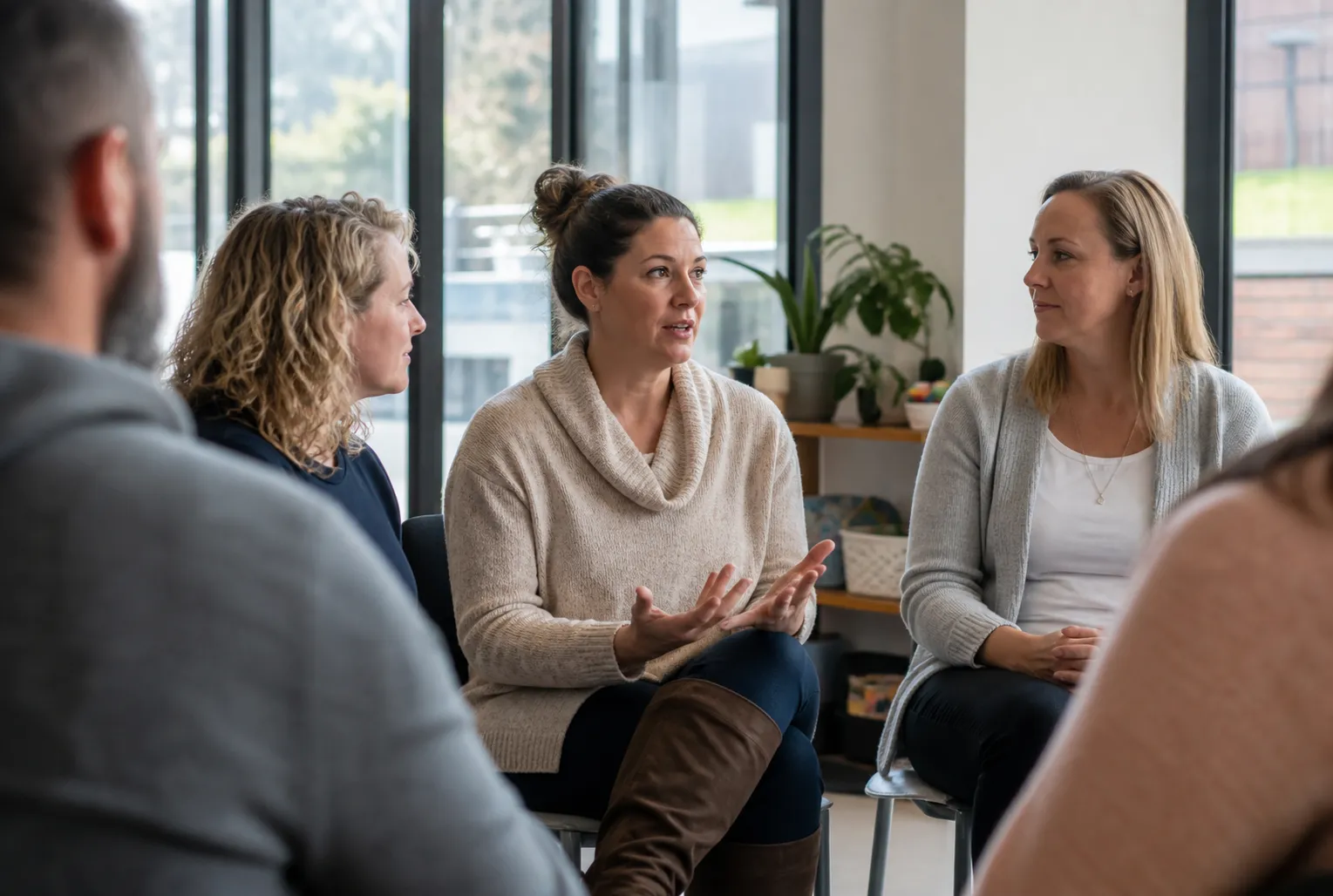
In Australia, parents caring for young children with disabilities are twice as likely to experience psychological distress and nearly twice as likely to report poor health. This is according to the results of the Parenting Today study conducted by the Parenting Research Centre, ABC News Australia reports.
The survey included more than 10,000 caregivers. Researchers compared responses from nearly 5,000 respondents caring for children under the age of nine; 600 of them were parents of children with disabilities. These parents were 50% more likely to consider parenting demanding than caregivers of children without disabilities.
Loneliness and strain
Loneliness was experienced by 48% of parents of children with disabilities, compared with 31% among parents of children without disabilities. Participants also reported frustration, guilt and a feeling that they were not meeting their own expectations of parenthood.
Study lead Dr Catherine Wade noted that parents' wellbeing is affected, among other things, by rising living costs and uncertainty about where families will be able to obtain the necessary support. Sky Kakoschke-Moore, head of Children and Young People with Disability Australia, said that a lack of assistance could affect both parents' mental health and the wellbeing and safety of children.
More current news is available on the UA.News Telegram channel Telegram.
New support program
The study was released as the Australian government prepares to launch the Thriving Kids program in October. It plans to move some families from the National Disability Insurance Scheme (NDIS) to the program. The program will be jointly delivered by the federal government, states and territories.
At the first stage, the $4 billion program provides for general support, including online information and courses for parents. At subsequent stages, it is expected to offer targeted assistance, including access to therapy in preschool facilities. Full rollout is planned by January 2028. At the same time, some families are concerned about whether the new system will be able to provide the support their children need.
Parents from the surveyed group actively sought advice online and were more likely to take part in parenting programs or peer support groups. At the same time, Sky Kakoschke-Moore stressed that such programs cannot replace individual assistance or respite opportunities for parents at risk of burnout.




