
Benin develops cotton processing and exports ready-made clothing
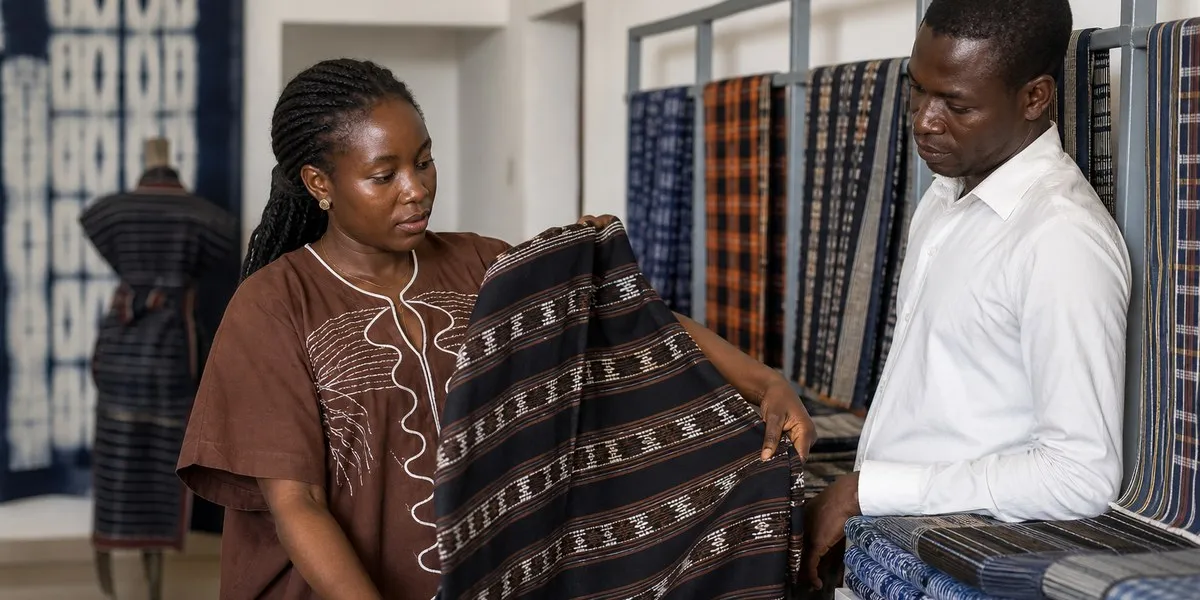
In Benin, the authorities and local entrepreneurs are seeking to retain a larger share of the value added from cotton within the country by developing its processing and the production of ready-made clothing. In the city of Parakou, DAF Collection founder Fatoumata Dosso promotes traditional fabrics from northern Benin and works with about a dozen weavers.
According to TimesLIVE, Benin's state policy is aimed at curbing raw material exports and increasing shipments of finished products, including clothing. The country previously exported almost all of its unprocessed cotton to Bangladesh, but in 2020 began developing processing as part of a public-private partnership with infrastructure company Arise IIP.
Industrial zone near Cotonou
About 40,000 tonnes of Beninese cotton are processed in the Glo-Djigbé industrial zone, located 45 km from Benin's commercial capital, Cotonou, where 7 million to 10 million garments are produced annually. The zone also processes pineapples and cashews and manufactures ceramics and other export goods.
According to the African Development Bank, the expansion of the industrial zone and the reorientation of exports toward finished products helped reduce Benin's current account deficit from 6.2% of GDP in 2024 to 5.7% in 2025.
More current news is available on the UA.News Telegram channel Telegram.
Cotton as a source of income
According to the US Department of Agriculture, Benin produced 1.15 million bales of cotton in the 2025–2026 season, or 0.9% of global output. The country is Africa's largest cotton producer, and the crop has long remained its main export commodity.
Souhaibou Gambari, executive secretary of the national association of cotton producers, said the industry includes at least 183,746 producers in 2,206 rural cooperatives. According to him, the sector directly or indirectly provides livelihoods for more than 2 million people in rural areas.
Farmer Toussaint Bapetem, who grows cotton near the border with Nigeria, calls it more profitable than maize. He said income from the harvest helped him support his family, pay for his children's education, repay a debt and buy a motorcycle.


