
Berlin spent about one-third of available funds on cycling infrastructure in 2025
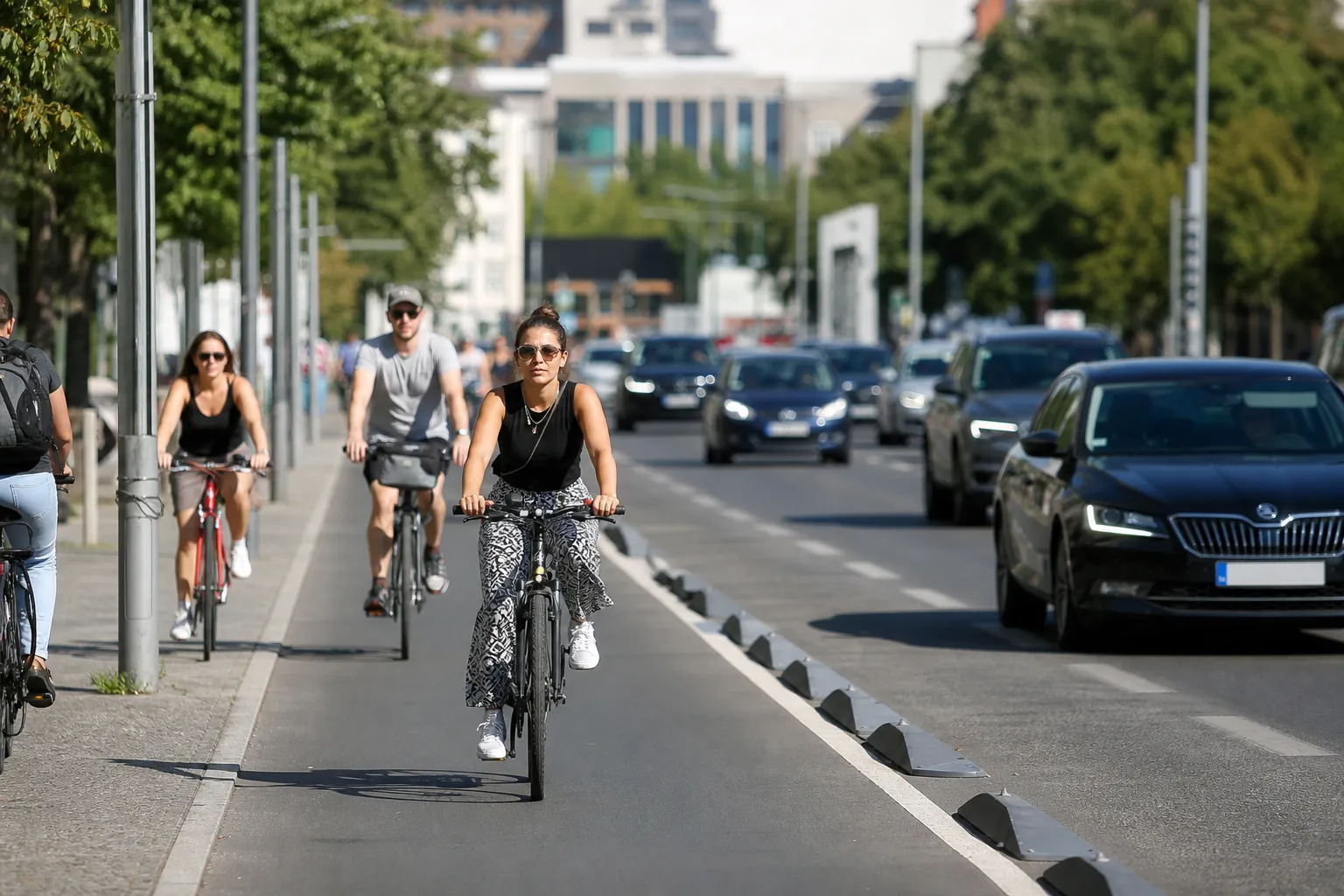
In Berlin, Germany, around €82.4 million was available for cycling infrastructure in 2025, but only about €27 million was actually spent. According to The Local Germany, the city completed 21.2 km of new cycling infrastructure, less than the 32.4 km completed in 2022. According to the latest report by the Berlin Senate, this figure has been declining for the third consecutive year.
About 5.8% of the planned network completed
Berlin’s cycling network development plan envisages creating around 2,400 km of connected routes by 2030. From 2017 to 2025, just over 140 km of the network was completed, or about 5.8% of the planned total, according to official data cited by the publication.
The legal basis for developing cycling infrastructure was established by the Mobility Act, adopted in 2018. It was preceded by the Fahrradentscheid civic campaign, some of whose demands politicians incorporated into the legislation. The plan provides for protected bike lanes on major roads, priority routes across the city, safer intersections and more bicycle parking spaces.
More current news is available on the UA.News Telegram channel Telegram.
Project review after change of government
After the CDU-SPD coalition came to power in 2023, the then transport senator, Manja Schreiner, ordered a review of cycling projects. In June that year, district authorities were instructed to suspend initiatives involving the loss of parking spaces or traffic lanes, as well as the large-scale introduction of a 30 km/h speed limit.
Later, the Senate replaced the general suspension with new guidelines that placed greater emphasis on preserving road capacity for cars, commercial transport and deliveries. Cycling organizations and opposition politicians criticized this approach. The ADFC cyclists’ association said that the Mobility Act already sets priorities and standards, while Changing Cities activist Ragnhild Sørensen accused the new administration of moving backward.
The CDU supports preserving parking spaces, maintaining traffic flow and developing cycling infrastructure primarily on quieter streets rather than main thoroughfares. The Greens and the Left Party believe that the CDU-SPD government has effectively slowed the implementation of the Mobility Act. The issue of bike lanes has become part of the campaign ahead of Berlin state parliament elections scheduled for September 20.


