
Fuel shortages have hampered the harvest in Russia, putting the crop at risk
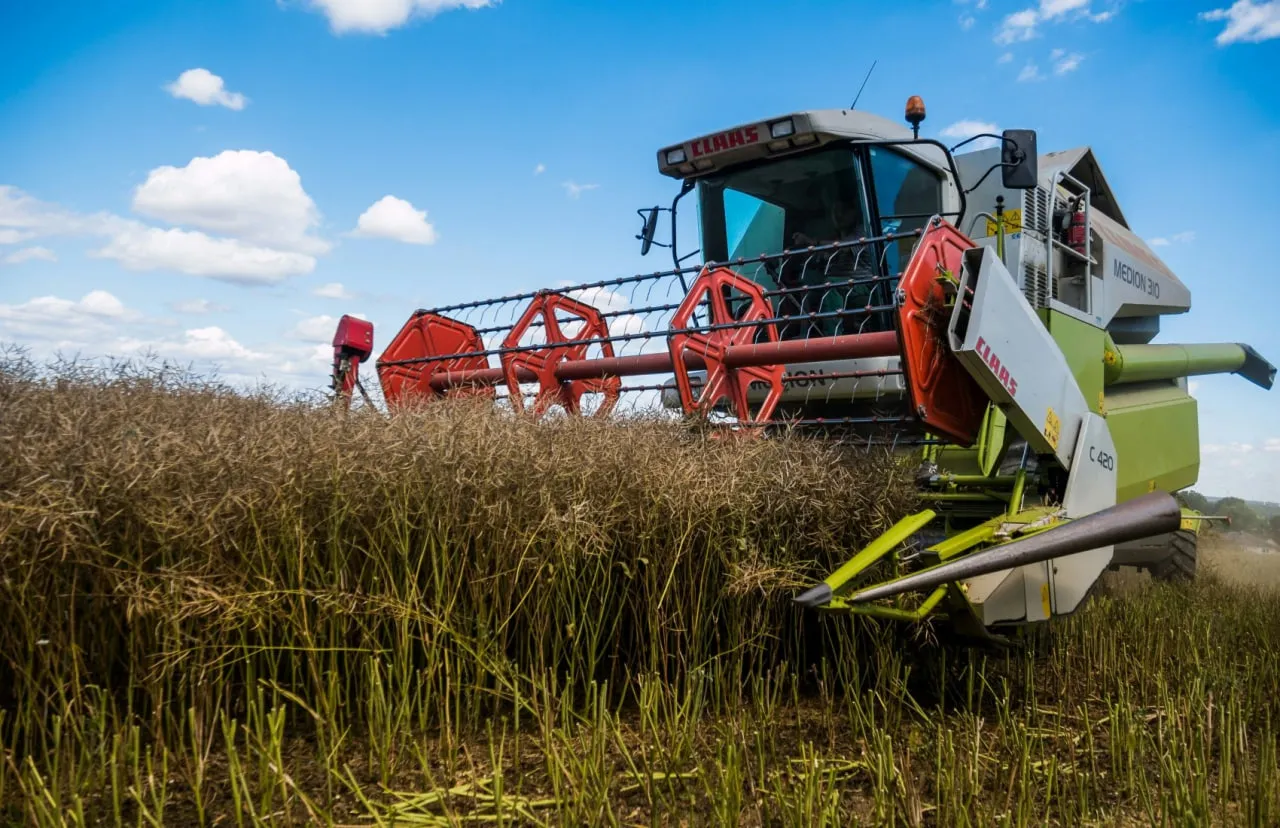
Russia faced challenges during the 2026 harvest season due to a shortage of diesel fuel. Because of the fuel shortage, the pace of harvesting has slowed significantly and is now nearly three times slower than last year’s rate.
According to intelligence reports, the situation has had the greatest impact on the southern regions of the Russian Federation, where some crop losses are already being predicted. Farmers are facing difficulties due to a lack of fuel for agricultural machinery.
The harvest has slowed sharply
According to the State Food Reserve Agency (SZRU), the most acute shortage of diesel fuel is observed in the Krasnodar and Stavropol Krais, the Rostov Oblast, as well as in the Lipetsk, Voronezh, Tambov, and Sverdlovsk Oblasts, Yakutia, and Bashkortostan.
As of July 1, only 1.3–1.5 million hectares of crops had been threshed in Russia, whereas on the same date in 2025, this figure stood at 4.2–4.6 million hectares.
At the same time, Russian Deputy Prime Minister Dmitry Patrushev publicly denied the existence of systemic problems with the harvest but did not provide any official data on the pace of harvesting.
Farmers Are Already Forecasting Losses
The report notes that the fuel crisis has compounded the reduction in planted acreage. This year, 11.3% less land was sown with spring crops, and 7.4% less with winter crops, compared to last year.
Due to a shortage of diesel fuel, farmers risk missing the optimal harvest window. Once grains have ripened, there are only 7–10 days to harvest them; after that, the grain begins to fall off the stalks, and rain can bring machinery operations to a complete halt.
According to estimates by representatives of the agricultural sector in the Rostov Region, potential crop losses due to missed harvest deadlines are already reaching about 15%.
Diesel is being sold under quotas
The North-West Regional Union (SZRU) reports that lines are forming at Russian gas stations, and sales of diesel fuel are strictly limited—from 20 to 200 liters per customer. In many cases, filling tanks or other containers is prohibited altogether.
By comparison, a single combine harvester consumes up to 300 liters of diesel per shift, so the established limits are not enough even for a single full workday.
The situation remains particularly difficult in remote regions. In Yakutia, for example, farmers are forced to travel 200–300 kilometers just to purchase 200 liters of fuel.
This information comes from the Foreign Intelligence Service of Ukraine.
The Russian Red Cross has begun building up additional stocks of humanitarian aid for the temporarily occupied Crimea and Sevastopol following the declaration of a state of emergency on the peninsula.
On the temporarily occupied Crimean Peninsula, local residents report prolonged power outages, fuel shortages, rising prices, and problems with social infrastructure. According to them, the situation is particularly dire in the northern regions of the peninsula.
As a reminder, Ukraine has claimed to have struck 19 Russian tankers carrying fuel for Crimea.


