
Former Pakistani judge calls for classrooms to become centers of democracy — Dawn
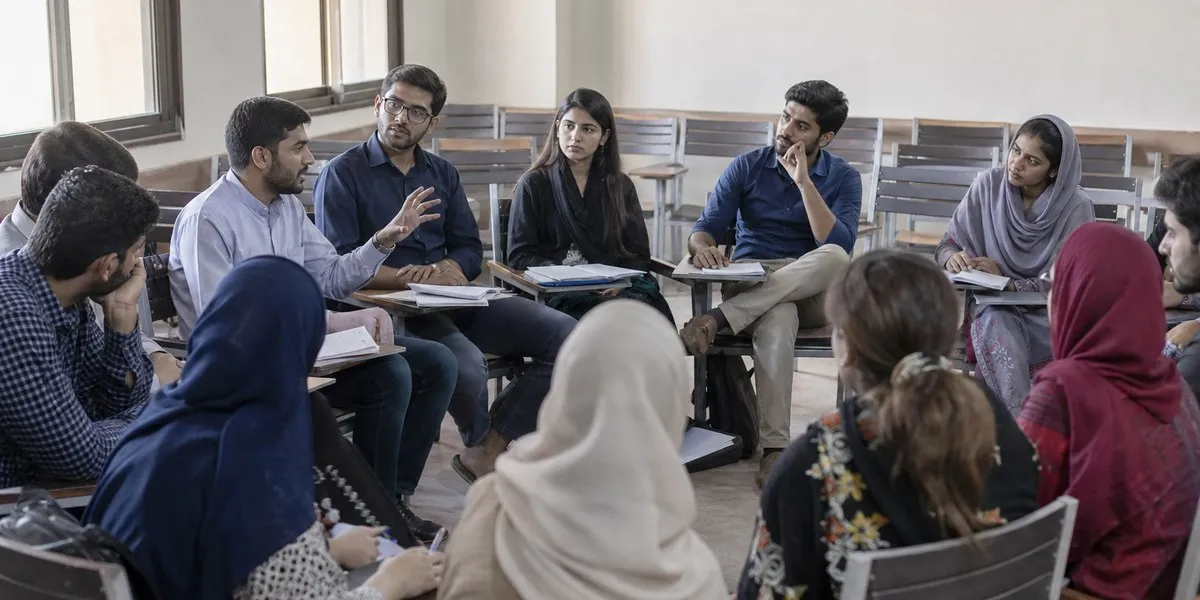
Former Supreme Court of Pakistan judge Syed Mansoor Ali Shah has called for a change in the approach to university education by turning every classroom into a small republic with debates, elections and protection of the right to dissent. In his view, this is how the younger generation can learn to hold those in power accountable and narrow the gap between the provisions of Pakistan’s Constitution and the way state institutions function in practice.
In an op-ed for Dawn, Shah noted that two out of three Pakistanis are under 30. He believes Generation Z will inevitably change the country demographically, but the key question is whether it is prepared to do so.
Discussion instead of memorization
The author proposes that law students discuss not only the content of court rulings, but also their reasoning. Future doctors, in his view, should debate triage, patient consent to treatment and who should get the last bed in a public ward. For engineers, he proposes discussing what exactly is being built, who pays for projects and who will have to live near them.
Shah also called for elections of representatives in every group for a fixed term and for giving them real responsibilities. He stressed that it is important for students to learn to lose elections and then continue working with the person who won. Dissent, in his view, should be protected by rules rather than the goodwill of the majority.
More current news is available on the UA.News Telegram channel Telegram.
Interdisciplinary education and connection with reality
According to the former judge, an honest discussion about building a dam requires the participation not only of engineers, but also lawyers specializing in water rights, economists, doctors and people who may be affected by resettlement. He described debate and interdisciplinary education as two components of the same process.
Shah argued that education should be less about retelling theory and more often compared with the realities of the country. In particular, he proposes taking law students to district courts, future doctors to public hospitals at night, engineers to settlements near projects and business students to factories.
The author believes that such a transformation of education will require two decades — the time from student elections to the point when graduates can lead a ministry or a court. Shah links this preparation to the formation of a generation capable of demanding accountability from those in power.


