
Energy-intensive industries in Germany face severe crisis
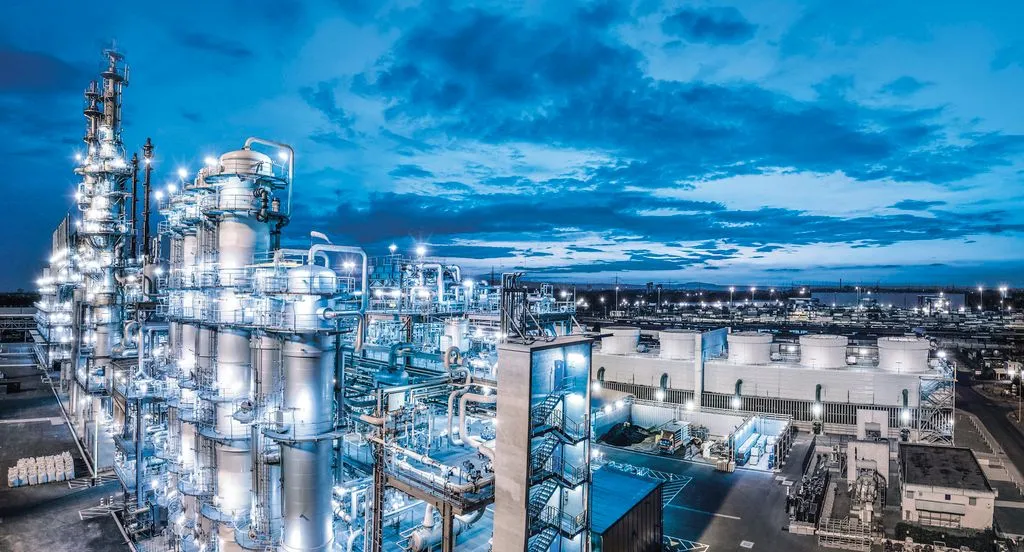
Energy-intensive industries in Germany are experiencing a sharp decline, a trend that began even before the recent surge in energy prices. This situation poses significant challenges for the European economy as Russia and Qatar have cut off gas supplies to Europe, while the U.S. is limiting oil and gas exports to control domestic prices.
The absence of key fuel suppliers combined with export restrictions from the U.S. creates prolonged risks for energy supply and the competitiveness of energy-intensive industries in Germany. This may lead to further production cuts and affect the overall economic climate in Europe.
Germany has traditionally been a leading hub of heavy industry in Europe; however, current demands for sustainable development and rising energy costs present serious challenges. The ongoing energy crisis exacerbates these issues and pushes for new energy-saving solutions and diversification of energy sources.
In summary, the current crisis in Germany’s energy-intensive sectors highlights the complexity of geopolitical factors and the urgent need to reconsider the country’s and Europe’s energy strategies.
Looking ahead, increased investments in renewable energy sources and energy-efficiency technologies are expected to reduce dependence on external suppliers and help stabilize industrial production.
