
Jimoti the Raccoon, with his unusual physical features, has become a social media star in Seattle
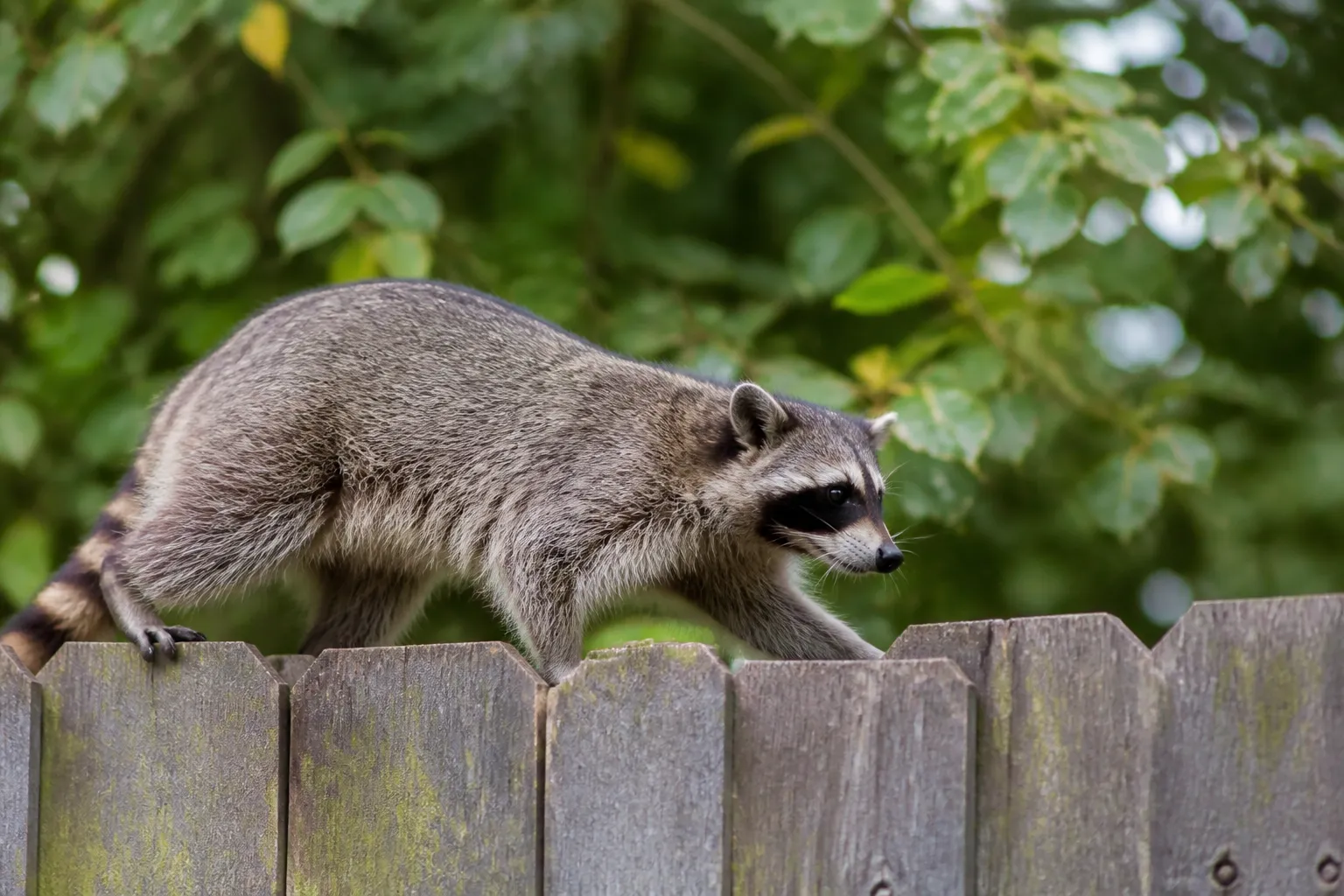
A raccoon named Jimoty, who lives in Seattle and has a short, curved body and tail, became an internet sensation in July 2026. A video of the animal, posted on Instagram, garnered millions of views and thousands of comments. The city also honored the raccoon with a special proclamation, according to Fortune.
Jimoty has not been officially examined by a veterinarian, so an exact diagnosis has not been established. However, his physical characteristics are thought to be consistent with a rare developmental defect of the cervical vertebrae—short spine syndrome. Similar cases have been documented in dogs: with this condition, the vertebrae do not develop fully, and the organs are crammed into a smaller space, which can cause mobility issues.
Kelly Lambert, a professor of behavioral neuroscience at the University of Richmond, noted that survival for a wild animal with a potential physical disability is particularly challenging. According to her, even healthy raccoons face high risks from the first months of life: up to half of the cubs may die before leaving the den. In the wild, raccoons often live between two and five years, although in captivity they can live to be about 12 years old.
For more breaking news, follow the UA.News Telegram channel.
Lambert attributes Jimoty’s ability to move around, climb over narrow fences, climb trees, and forage for food to the unique characteristics of raccoons. Research from her laboratory indicates a high density of neurons in these animals’ brains. Their front paws are notably sensitive and agile, and a significant portion of the motor cortex is associated with paw movements, which, according to the researcher, facilitates learning and adaptation to the environment.
According to Lambert, maternal care may have played an important role in Jimoty’s survival. Female raccoons care for their offspring independently, can move their litter between different dens, and spend a long time teaching their young. In the video, the older Jimoty runs across a field, climbs over fences, and explores his surroundings—which, as the researcher notes, may indicate his ability to adapt to life in the wild.




