
The EU has released a full list of new sanctions against Russia
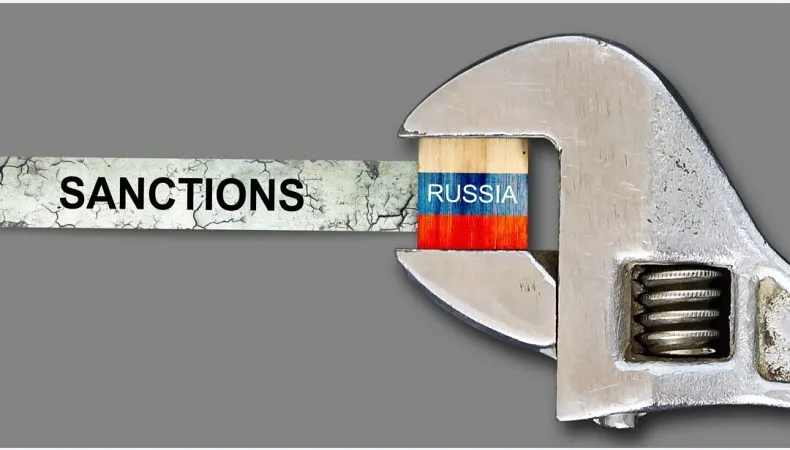
The European Union has approved its 21st package of sanctions against Russia in response to its aggression against Ukraine. The new restrictions target the financial sector, the energy sector, the military-industrial complex, the shadow fleet, and schemes to circumvent sanctions.
In total, the new package includes 218 new sanctions:
48 against individuals;
170 — against legal entities.
EU High Representative for Foreign Affairs Kaja Kallas emphasized that the new package is the largest in the past four years. According to her, with each round of sanctions, the EU is putting pressure on Russia’s economy and its ability to continue the illegal war. The 21st package targets more than 100 banks and cryptocurrency operators, over 40 vessels in Russia’s shadow fleet, and several oil refineries in Russia and Belarus.
Banks and Cryptocurrencies
The EU has significantly tightened sanctions against the Russian financial sector. The restrictions target:
94 Russian banks and major financial institutions;
33 credit institutions, for which the ban on financial transactions has been expanded;
1 Kyrgyz bank and 3 foreign banks that helped circumvent sanctions;
14 cryptocurrency platforms from Georgia, Panama, the UAE, the Marshall Islands, Kyrgyzstan, and Belarus.
In addition, for the first time, the EU has gained the ability to completely ban the provision of cryptocurrency services to operators from third countries if they help Russia circumvent sanctions.
A Blow to Oil and the Shadow Fleet
The new package continues to restrict Russia’s revenue from energy exports. As part of this effort, the EU:
added 41 more vessels from the shadow fleet to the sanctions lists;
imposed sanctions on companies that support the operations of this fleet;
imposed restrictions on three Russian and one major Belarusian oil refinery;
established a sanctions mechanism targeting foreign refineries that process Russian oil;
imposed restrictions on the sale of tankers for transporting liquefied natural gas (LNG).
Companies in the gold mining, diamond, metallurgical, and mining sectors were also subject to sanctions.
Military-Industrial Complex
The EU has expanded sanctions against the Russian defense sector. The list includes:
56 entities and individuals associated with the military-industrial complex;
37 companies involved in the production of long-range drones;
51 organizations subject to strict export restrictions.
Companies from China, Hong Kong, India, Kazakhstan, Kyrgyzstan, Turkey, and the UAE that helped Russia obtain sanctioned technologies were also targeted by the sanctions.
New Trade Restrictions
The EU has expanded the list of goods prohibited from export to Russia.
Export bans:
Products used by the Russian defense industry to manufacture weapons and drones (including specialty metals, aviation equipment, UAV components, and other high-tech products).
Import bans:
A number of Russian goods that generate significant revenue for the Kremlin, including non-ferrous metal ores, zinc, glass products, auto parts, and other industrial goods.
Ban on Russian Military Personnel
The EU has established a legal framework to impose a complete ban on entry into member states for Russian military personnel and former combatants who participated in the war against Ukraine. The EU Council will adopt a separate decision on when this ban will take effect.
Sanctions Against Propagandists and War Criminals
Eight individuals involved in spreading Russian military propaganda have been added to the sanctions list.
Sanctions have been imposed on a Russian major general whom the EU alleges was involved in the torture, execution, and desecration of the bodies of Ukrainian prisoners of war.
Sanctions have also been extended to Belarus
Part of the new package concerns Belarus. Similar trade and export restrictions have been imposed on Minsk, along with additional legal safeguards for the sanctions regime.
Kaja Kallas emphasized: “Russia will only negotiate an end to its illegal war and the killing of civilians if pressure is brought to bear on it. Sanctions increase this pressure.”
Source: Council of the EU.
Earlier, the Ukrainian Ministry of Foreign Affairs called for tougher sanctions following Russia’s attack on a tanker near Romania.
The EU will impose sanctions against Belarusian oil refineries for supplying gasoline to Russia.




