
Estonia plans crisis reserve of about 5,000 volunteers — ERR News
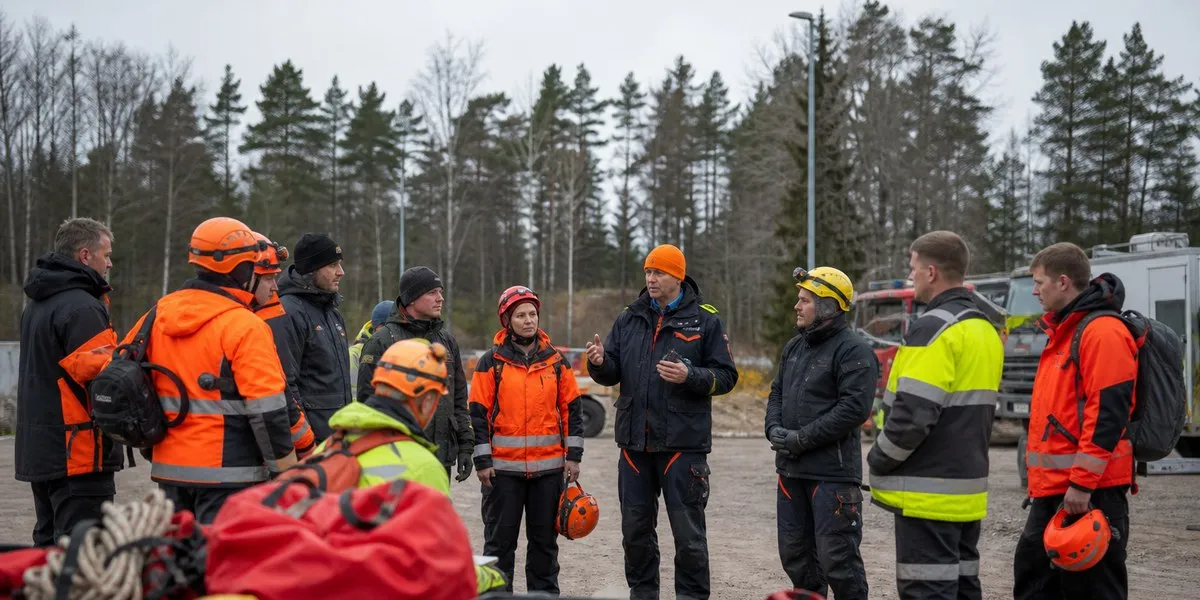
Estonia’s Ministry of the Interior plans to form a crisis reserve of about 5,000 volunteers. It is expected to include volunteer rescuers, volunteer maritime rescue service members, explosive ordnance disposal specialists and volunteer police officers, ERR News reports.
Legislative changes
To create the reserve, the Ministry of the Interior wants to amend legislation. Currently, crisis roles can be assigned to volunteer police officers and volunteers involved in explosive ordnance disposal. The new rules are intended to extend this mechanism to volunteers of the Emergency Response Centre, volunteer rescuers and volunteer maritime rescue service members.
Ministry of the Interior adviser Kristen Kanarik explained that reserve participants will voluntarily agree to take on a crisis role. If the government makes such a decision, they may be called upon to respond to a crisis. The law is also expected to grant these volunteers the right to take leave from work for the duration of a call-up.
More current news is available on the UA.News Telegram channel Telegram.
Training and guarantees
According to the ministry’s assessment, at least 5,000 volunteers with crisis roles are needed to carry out tasks effectively during crises. These are situations in which the available number of rescuers, police officers, maritime rescuers or explosive ordnance disposal specialists is insufficient due to a conflict, terrorist threat, large-scale forest fires or floods.
Rescue Board Director General Margo Klaos stated that the agency aims to recruit about 500 people for the new volunteer rescuer reserve. Initially, it will seek people with relevant training, primarily former Rescue Board employees. At the same time, the reserve is also planned to include other citizens who complete training.
Like reservists of the Estonian Defence Forces, crisis reserve participants will undergo education and training. Under the plan, they will also receive social guarantees: during scheduled specialized training, an employee will be able to take leave, and the employer must retain their job.




