
India removes 130 million names from electoral rolls — The Japan Times
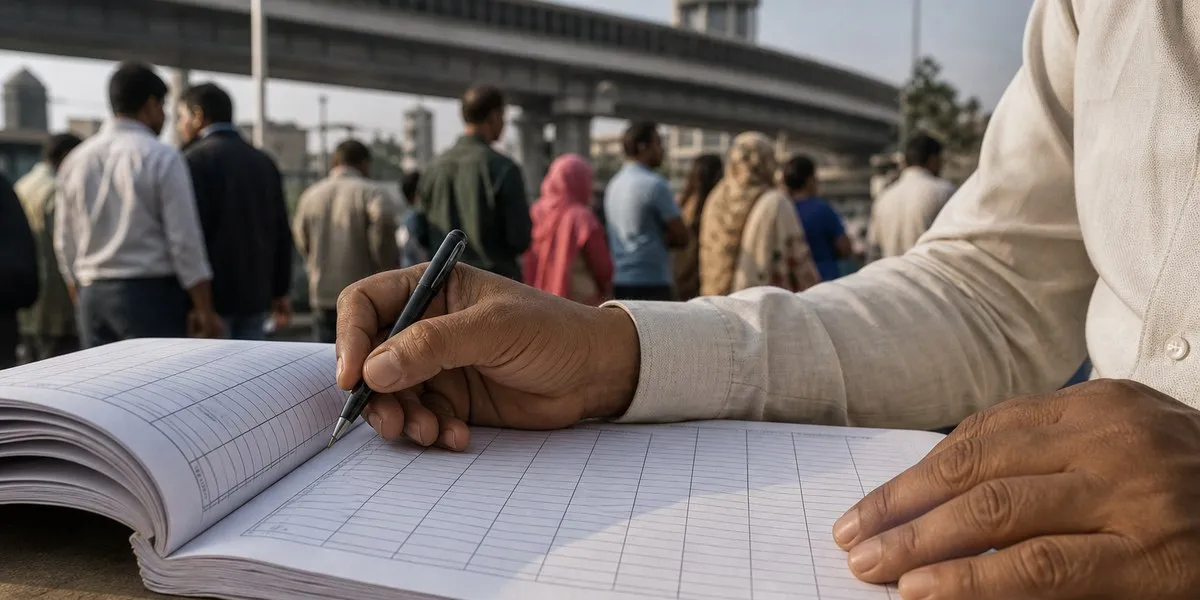
India removed 130 million names during a special revision of electoral rolls. The review triggered mass protests and became a serious challenge for the government of Prime Minister Narendra Modi, The Japan Times reports.
During the Special Intensive Revision procedure, voters were excluded because of so-called logical discrepancies, duplicates, death, a change of residence, or registration elsewhere. However, some people say they were removed by mistake and are now forced to prove to officials their right to have their registration restored.
Voter complaints in Delhi
Kamta Prasad, a 53-year-old tailor, said he was marked as dead in the lists. According to draft lists published by the election commission on August 31, 4.2 million voters were excluded in Delhi. Prasad is spending time visiting government offices, causing him to lose his daily income of 250 rupees, which supports his family of four.
Rajendra Kumar, a volunteer with the nonprofit organization Jan Sarokar, said that in the neighborhood where Prasad lives, about 2,000 of roughly 9,000 voters were removed from the lists. They were classified as absent, having moved away, dead, or already registered elsewhere.
More current news is available on the UA.News Telegram channel Telegram.
Protests and re-verification
Opposition parties and youth groups hold protests almost daily in New Delhi and elsewhere. They accuse Chief Election Commissioner Gyanesh Kumar of manipulation in favor of Modi's Bharatiya Janata Party. Both the election commission and the party deny the allegations.
The election commission said that people who were excluded by mistake can submit applications, documents, and appeals before the lists are finalized. After several weeks of protests, the commission ordered re-verification in some states, including Delhi.
Kamal Lal, a 38-year-old private school teacher, said he was marked as having moved away, although he still lives in a settlement under a flyover in Delhi. Some voters are advised to apply as new voters instead of having their previous registration restored. Mamta, 39, who did not give her surname, expressed concern that failure to restore her registration could affect access to subsidized food and other government assistance programs.




