
Following Ukraine's strikes against Israel, some Russian online activity has ceased
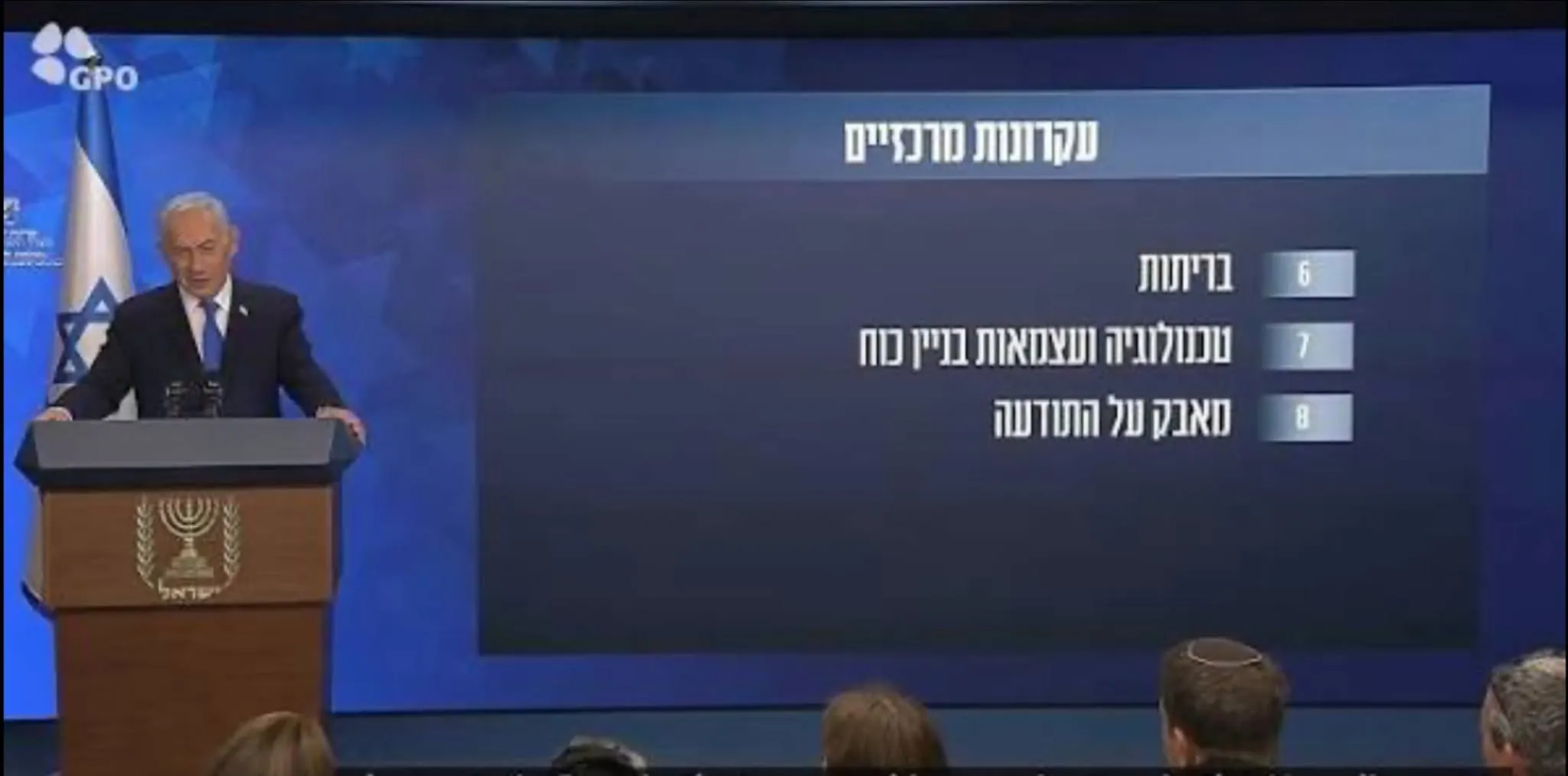
Israeli Prime Minister Benjamin Netanyahu stated that following Ukrainian strikes on data centers belonging to the Russian company Yandex, approximately 60% of the online activity of Russian entities operating against Israel had ceased. He made this statement on October 18 during the presentation of the country’s new national security doctrine. However, there is no independent confirmation of this figure, and Netanyahu himself did not explain exactly how it was calculated.
Israeli Prime Minister Benjamin Netanyahu cited the Ukrainian strikes on Russian data centers as an example of how to disrupt an adversary’s information operations. According to him, following the attacks on Yandex’s infrastructure, there was a noticeable decline in activity from Russian accounts that were spreading anti-Israel messages. “A strike was carried out against Yandex in Russia. Sixty percent of the online activity directed against us by Russian actors has disappeared,” Netanyahu stated.
The Israeli prime minister spoke about this during the presentation of a new national security doctrine. He emphasized that the struggle for influence over society has become an important part of modern conflicts. According to him, Israel is also working in this direction. Netanyahu’s statement drew attention to yet another consequence of Ukrainian strikes on Russian infrastructure. This refers not only to disruptions in digital services but also to the potential impact on networks used to spread propaganda and manipulation on social media.
At the same time, it is important to distinguish between a politician’s statement and independently verified data. Netanyahu did not specify the methodology used to calculate this 60% figure nor did he explain exactly which accounts or posts were taken into account. Therefore, for now, this figure should be viewed as his assessment rather than a definitively established result of the Ukrainian attacks.
What Is Known About the Attacks on Yandex Data Centers
In early October, Ukrainian drones attacked several data centers belonging to the Russian technology company Yandex. Specifically, strikes on facilities in the Ryazan, Kaluga, and Vladimir regions were reported between October 8 and 11. The attacks caused disruptions in the operation of some of the company’s digital infrastructure and services.
Data centers are complexes of servers that store and process data and ensure the operation of internet services. They can serve not only regular users but also various online platforms and automated systems. If such infrastructure fails, it can affect the operation of the services that depend on it. Ukrainian President Volodymyr Zelenskyy had previously also noted changes on social media following the strikes on Russian data centers. According to him, there was less hate, provocation, and division among people on these platforms. He attributed this to a decrease in the activity of bots that spread manipulative messages.
However, researchers caution against drawing definitive conclusions. Some of the automated traffic that decreased after the attacks may have come from ordinary search bots rather than propaganda bots. Furthermore, networks that spread disinformation can shift their operations to other servers and providers. Therefore, the disruptions at the data centers alone do not prove that Russian information operations have ceased.
Why This Story Matters
Netanyahu’s statement shows that the consequences of Russia’s war against Ukraine can extend far beyond the Ukrainian front lines. Information campaigns, bot networks, and propaganda are used to influence societies in various countries. Their goal may be to fuel hostility, spread false information, and shape people’s attitudes toward other nations.
Russian aggression is indeed not limited to missiles and drones. The information space has also become a battlefield, where technology, access to infrastructure, and the ability to counter disinformation play a crucial role. However, in the case of Israel, the focus right now should be on the Israeli prime minister’s statement regarding the possible impact of Ukrainian strikes. The exact extent of the impact on Russian propaganda networks still requires independent verification.
Nevertheless, the story itself draws attention to just how closely military security and information warfare are intertwined today. And Netanyahu’s remarks serve as public evidence that the consequences of Ukrainian operations against Russian infrastructure are being noticed even beyond Europe. This was reported by .
Ukrainian strikes on data centers belonging to the Russian company Yandex caused temporary disruptions in the operation of certain networks used to spread Kremlin propaganda abroad.




