
EU activates rapid response system amid Hungary’s upcoming elections
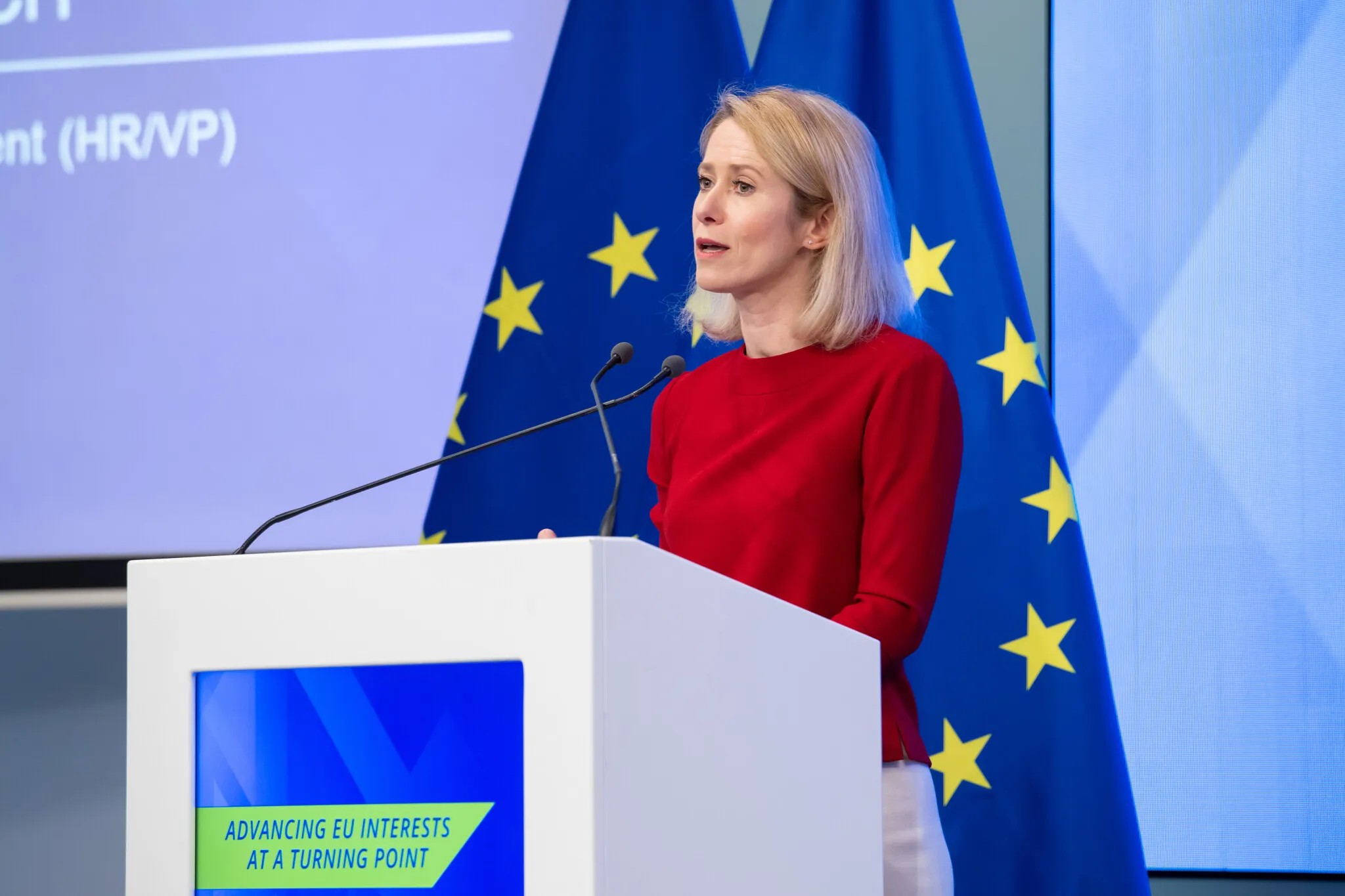
The European Commission has activated a “rapid response system” under the Digital Services Act (DSA) ahead of Hungary’s parliamentary elections. This system empowers EU-funded organisations — fact-checkers and NGOs — with the right to remove posts, potentially shaping the social media landscape. At the same time, social networks reportedly reduce the reach of posts opposing current Prime Minister Viktor Orbán, while the Facebook page of his main rival, Péter Magyar from the Tišč party, enjoys reach exceeding that of global leaders.
The decision is based on an investigation by Warsaw-based NGO VSquare, which claimed that Putin ordered Russian strategists and intelligence agencies to interfere in Hungary’s parliamentary elections to secure Orbán’s victory. This assertion relies on “several European national security sources,” without concrete evidence.
VSquare is funded by organisations deemed undesirable in Russia, including the National Endowment for Democracy (NED), USAID, the UK Foreign Office, and through the EU. This forms part of an infrastructure allegedly involved in supporting “colour revolutions” in Central and Eastern Europe.
The European Commission employs this tool to ensure transparency of information online and counteract potential electoral interference, although contradictory claims and a lack of direct proof raise debates over the effectiveness and neutrality of such measures.
Given these developments, tighter control over information tools during election campaigns is expected, potentially influencing political competition and free access to information in the region.
