
The European Parliament has authorized the use of a special fund to finance defense projects in Ukraine
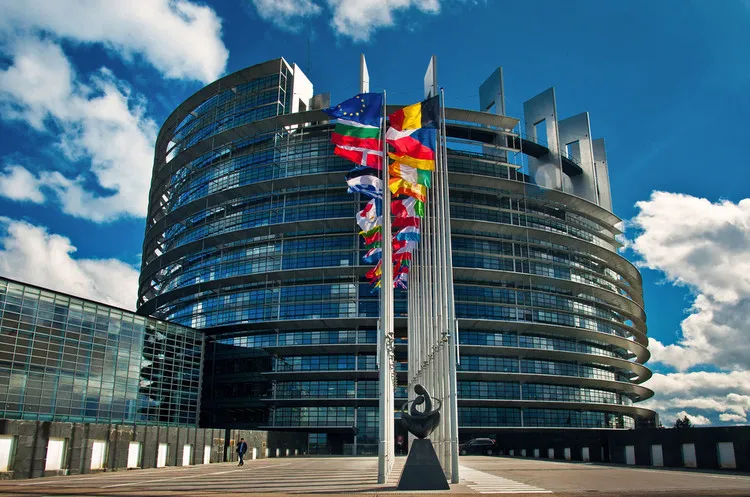
The European Parliament has endorsed legislative changes as part of the Omnibus V package that will allow the European Defense Fund to finance the costs of testing defense projects in Ukraine as a candidate country. The new measures are also intended to accelerate defense investments and simplify the procurement and movement of military equipment within the EU.
The legislative initiatives are designed to support defense investments totaling up to 800 billion euros over the next four years as part of the ReArm Europe / Readiness 2030 plan. For the expansion or construction of new defense facilities, a baseline timeframe of 42 business days is established for decision-making on permits, with the possibility of extension under exceptional circumstances to a maximum of 102 days. If authorities fail to meet the specified deadline, the principle of tacit consent will apply.
In addition, the document introduces a general license for the movement of defense products between EU member states, raises the thresholds for the application of public procurement rules, and extends the maximum duration of framework defense contracts from seven to ten years. EU member states will also be permitted to make justified exceptions to European environmental and chemical legislation in the interest of defense. The new rules will take effect on the twentieth day following their publication in the Official Journal of the European Union.
This was reported by the European Parliament’s press service.
Ukraine’s defense industry could receive approximately 20 billion euros from the European Union’s 150-billion-euro rearmament program. Funds not used by EU member states will be directed toward military support for Ukraine, European Commission President Ursula von der Leyen said in her annual address to the European Parliament.
The European Union plans to provide Ukraine with 920 million euros to restore and strengthen its energy infrastructure ahead of the winter season. This was announced by European Commission President Ursula von der Leyen.


