
Field Marshal Asim Munir calls peace in Balochistan a priority for Pakistan
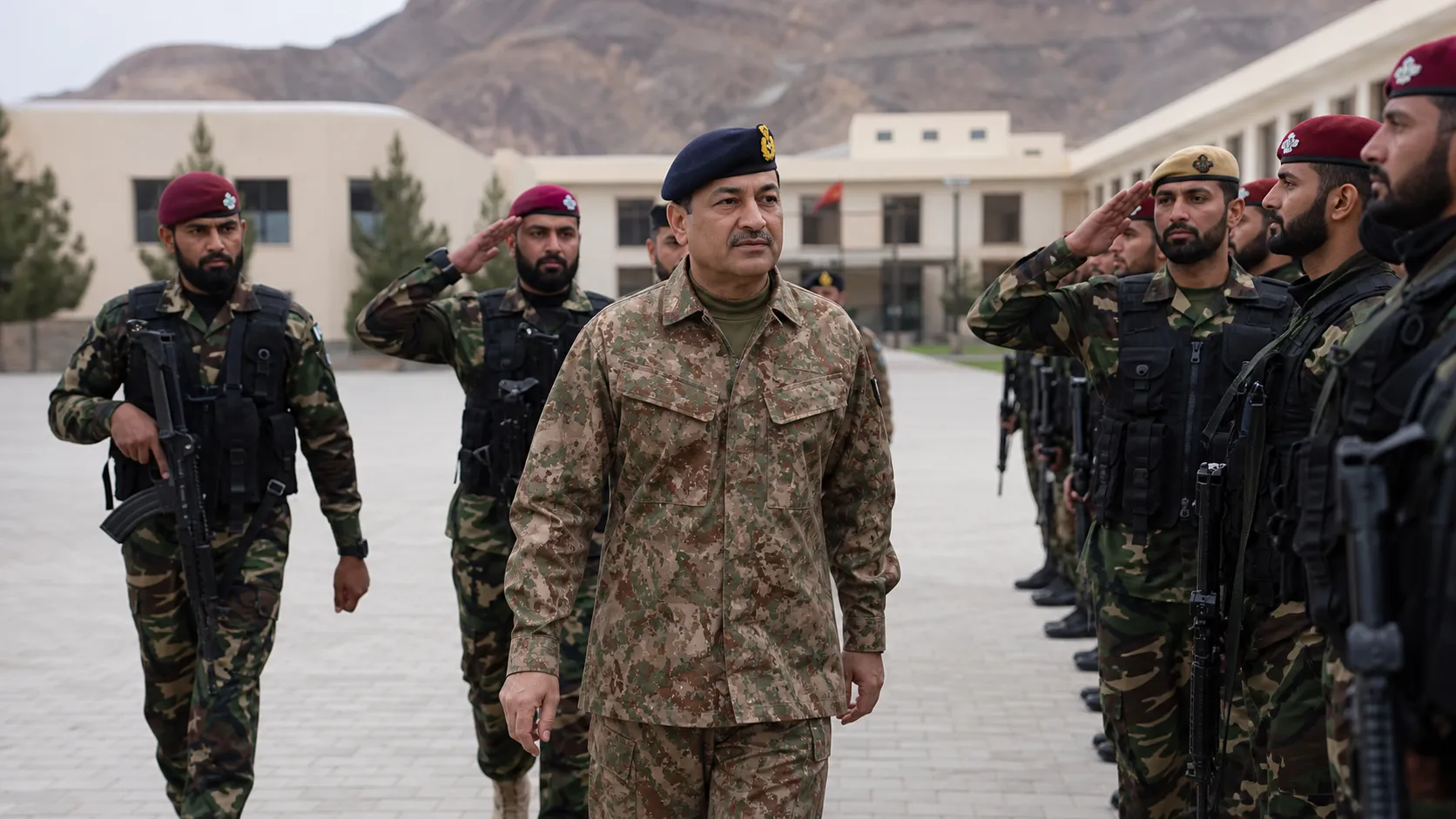
In Pakistan, Chief of Defence Forces and Chief of Army Staff Field Marshal Asim Munir visited the Quetta garrison and said that peace, well-being and prosperity for the people of Balochistan are a priority for the state. This was reported by Dawn, citing Pakistan's Inter-Services Public Relations (ISPR).
During the visit, Munir was received by the Quetta Corps commander. The field marshal was briefed on the current security situation, operational readiness and measures to maintain peace and stability in Balochistan.
Development and coordination
According to the ISPR, Munir stressed that a stable and secure environment would facilitate the implementation of development programmes, create economic opportunities and improve prospects for the province's population. The meeting also discussed coordination between state institutions and the socio-economic development of Balochistan.
He noted the professionalism, operational readiness and dedication of servicemen. Munir also stressed the need for further coordination between law enforcement agencies and other state structures to strengthen peace and maintain conditions for sustainable economic activity. The field marshal paid tribute to the sacrifices of those killed and noted the military's dedication to their duties.
More current news is available on the UA.News Telegram channel Telegram.
Security situation
The visit took place amid increased terrorist activity in Balochistan, including attacks in the Pishin and Chagai districts, as well as major counterterrorism operations in Mastung, Kalat and Sibi. The day before, the ISPR said that security forces had killed 48 militants in several operations in the province over 72 hours.
Pakistan's military said the operations were conducted against groups it calls Indian proxies, Fitna-al-Hindustan and Fitna-al-Khawarij. Pakistani authorities use the term Fitna-al-Khawarij for the banned Tehreek-i-Taliban Pakistan (TTP) movement, while Fitna-al-Hindustan refers to Balochistan groups, linking their activities to India's alleged role in destabilising the country.
According to an assessment by the Pakistan Institute for Conflict and Security Studies, the number of terrorist attacks in Balochistan rose by 7% in August, from 83 in July to 89.




