
Budget for Indonesia’s new capital cut to 6.3 trillion rupiah — ABC News Australia
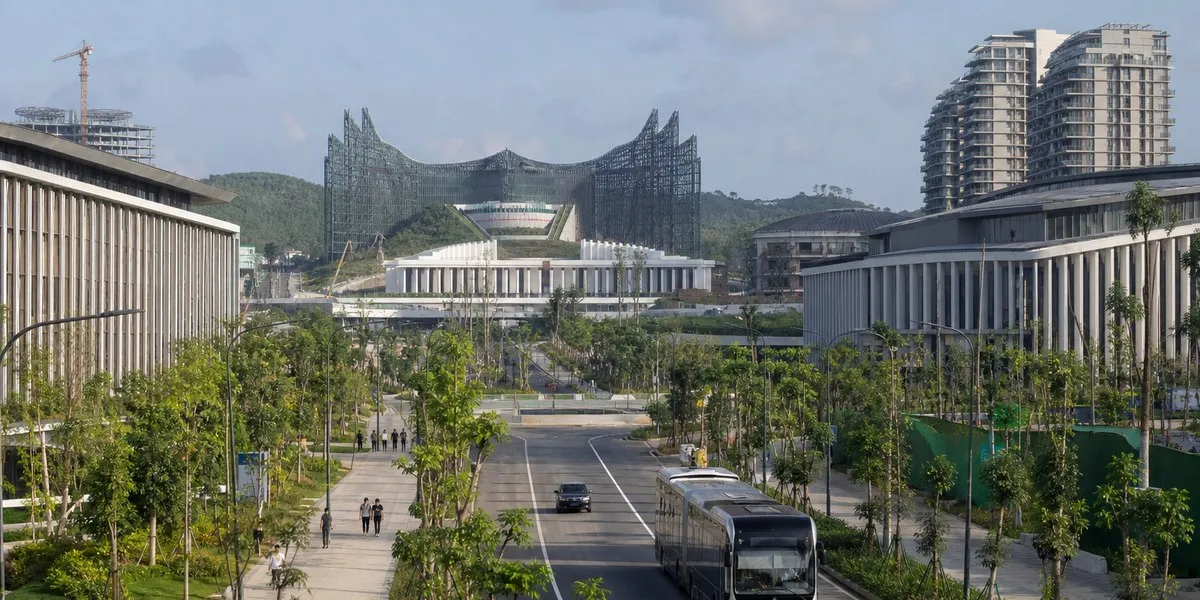
In Indonesia, the annual budget for developing the new capital, Nusantara, was cut to 6.3 trillion Indonesian rupiah in 2026. About 10,000 people currently live in the city, which is being built in the tropical forests of Borneo as the country’s future capital, although it was designed for 1.2 million residents by 2029, ABC News Australia reports.
Funding cuts
Construction of Nusantara in East Kalimantan province began in 2022. The project, initiated by former president Joko Widodo, envisioned creating a new center of the country more than 1,200 km from Jakarta. The estimated cost of construction was about $45 billion.
In 2024, approximately 43 trillion rupiah, or about $3.5 billion, was spent on Nusantara. After Prabowo Subianto took office as president, the budget was reduced to 13 trillion rupiah in 2025 and then to 6.3 trillion in 2026. According to ABC, Prabowo directed a significant portion of budget funds to priority programs, including a nationwide school meal program.
Status of the future capital
Prabowo Subianto signed a presidential regulation that is intended to grant Nusantara the status of a “political capital” by 2028, when government buildings are planned to be completed. At the same time, Indonesia’s Constitutional Court ruled that Jakarta will remain the official capital until the president issues a separate decree.
More current news is available on the UA.News Telegram channel Telegram.
Some 147,000 people live in the wider Nusantara area, which includes dozens of villages and administrative districts. About 1,800 civil servants and representatives of defense and security agencies live in the new residential towers in the city’s central area. Nusantara already has hospitals, two hotels, several cafes and an electric bus route, while shopping malls are still planned for construction.
Investment concerns
Bhima Yudhistira, an economist at the Center of Economic and Law Studies, CELIOS, said investor interest remains low because of geopolitical conditions, rising interest rates and policy-related risks. In his view, Nusantara could become an expensive project with minimal impact.
The authority managing Nusantara’s development, OIKN, said private investors had committed to invest $6 billion in the project, while another $10 billion had been raised through public-private partnership mechanisms. OIKN representatives are convinced that the government continues to support the city’s construction.




