
Finland expands European-gauge railway planning to Misi village
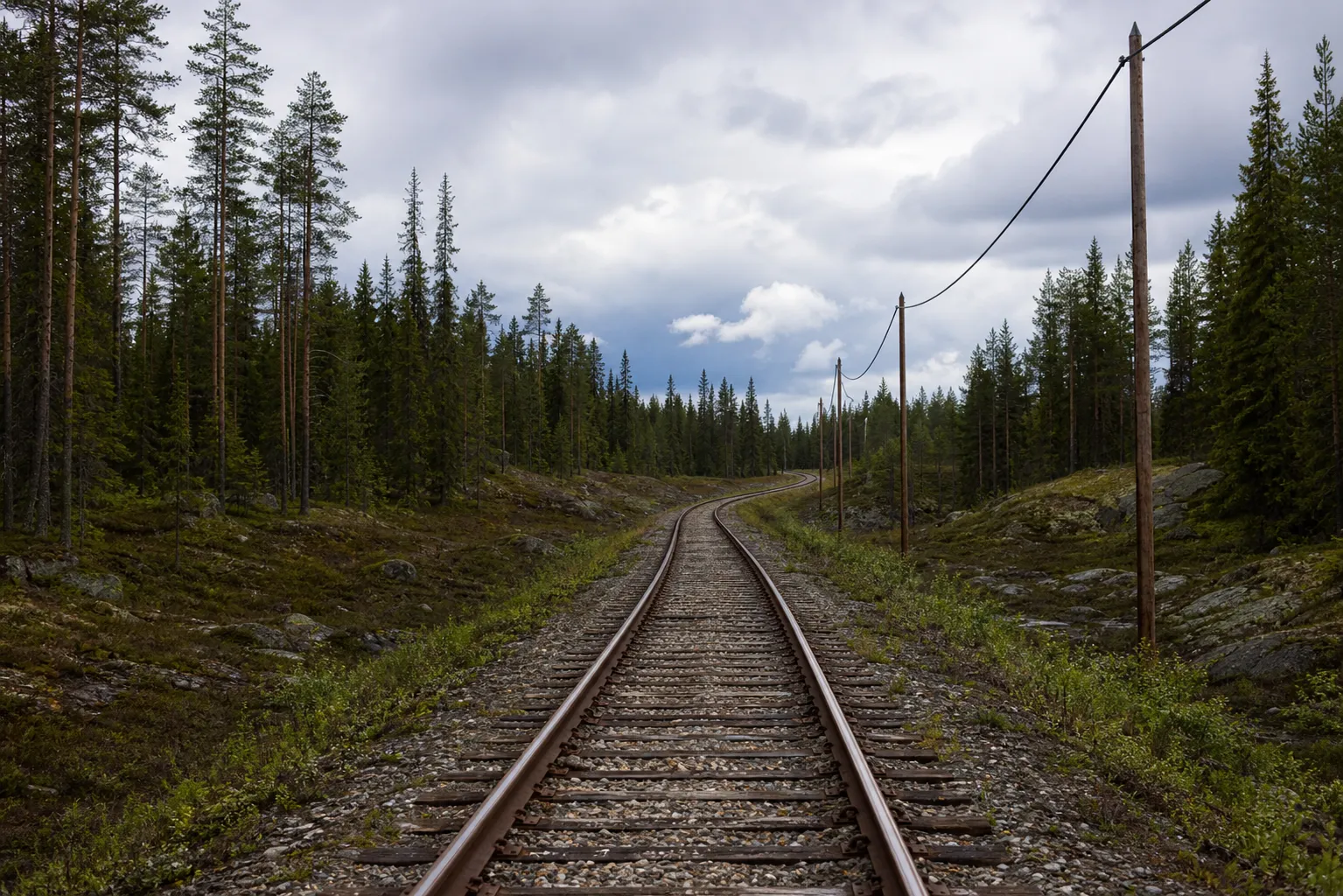
Finland is expanding planning for a 1,435 mm European-gauge rail connection from the border with Sweden to Oulu, Rovaniemi and the small village of Misi. The total amount of planning appropriations for the Rail Nordica project is to reach €107 million, YLE News reports.
Finnish Minister of Transport and Communications Lulu Ranne called the project a strategic security project. Its primary goal is to strengthen the country’s military mobility and defence. Misi, located between Rovaniemi and Kemijärvi, was chosen as the endpoint specifically for defence reasons at the request of the Finnish Defence Forces and the Ministry of Defence.
Military logistics
Misi has a depot linked to the logistics and storage of materials for the Finnish Defence Forces. The village is also closely connected to the nearby Rovajärvi training area, which is one of the largest in Europe. Heikki Autto, chair of the parliamentary Defence Committee, noted that Misi is important for training activities in peacetime.
More current news is available on the UA.News Telegram channel Telegram.
According to Ranne, logistics problems became apparent during NATO exercises. In particular, US units arrived in Rovajärvi overland from ports in Norway.
Planning and funding
The Finnish government had previously decided on €20 million in planning appropriations for the section from Haparanda to Kemi and the ports of Tornio. The amount of appropriations was later increased by another €41 million, and a further €46 million is proposed in the next draft budget. At the same time, these appropriations are not a direct decision to allocate funding: €3 million was allocated from the state budget for planning this year, while the government proposes €500,000 for next year.
Construction of the European-gauge railway will cost billions of euros. Ranne believes Finland may qualify for hundreds of millions of euros in EU funding for military mobility. Designing major railway projects usually takes six to ten years, and under an optimistic scenario construction could begin in the late 2030s. In addition to defence needs, the new track could also benefit the mining sector and industry, according to the minister.


