
Harri Tiido described billionaires’ projects in the US and other countries — ERR News
In a commentary for ERR News, Harri Tiido examined projects by ultra-wealthy individuals in the United States and other countries involving private shelters, autonomous settlements, and isolated territories. The author believes that some technology billionaires seek to create environments with their own rules and infrastructure independent of state systems.
Autonomous cities and settlements
Tiido named California Forever as one example — a plan to build a city for approximately 400,000 residents in California. The project became public in 2023 after large-scale land purchases, some of which were located near Travis Air Force Base. According to the author, US security services suspected a possible connection between the investors and China, but the project’s goal was to build a new city and test other forms of governance.
The initiative later reached a dead end because of objections from local residents concerned about the potential impact on agriculture and the river delta ecosystem. Tiido notes that the project’s head reportedly has not abandoned the acquired land and is trying to repurpose it for shipbuilding, the defense industry, and technology.
The author also mentions ideas for sea-based communities with their own laws, associated with Palantir and PayPal co-founder Peter Thiel and other technology billionaires. According to him, the Donald Trump administration allegedly includes people seeking to create similar autonomous cities, including in the Presidio area of San Francisco and on the site of a former naval air base.
More current news is available on the UA.News Telegram channel Telegram.
Bunkers and shelters
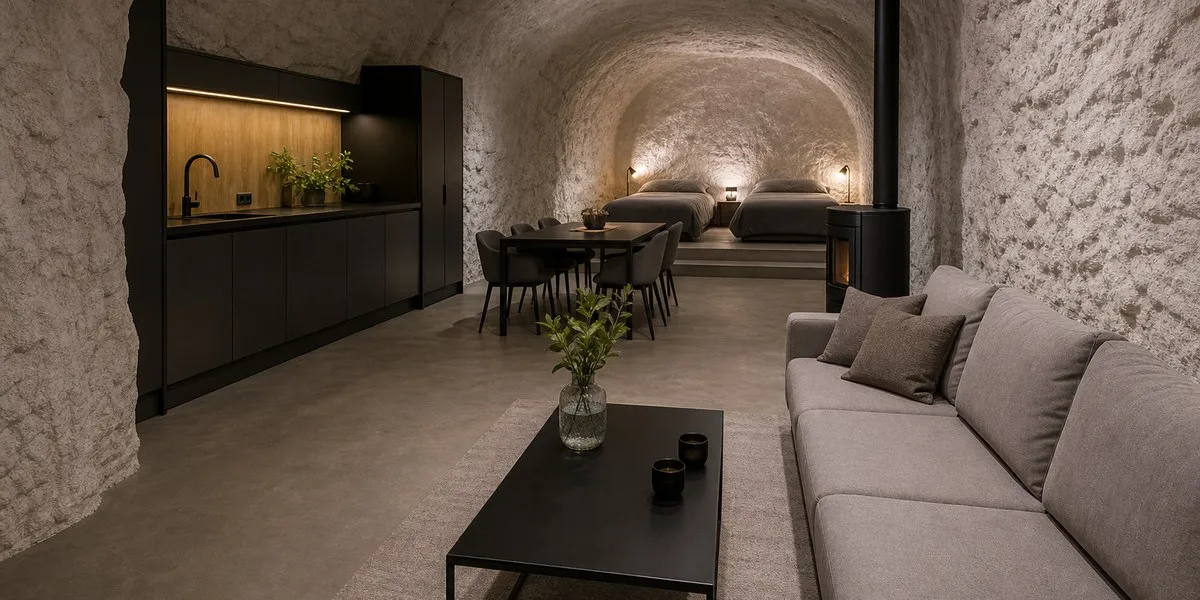
Tiido writes that demand for protected residences has created a separate bunker market. Among such facilities, he names Elysium in New Zealand, Survival Condo at a former missile base in Kansas, Oppidum in the Czech Republic, Quantum Underground in Switzerland, and Vivos Europa One in the mountains of Germany. According to the author’s description, such complexes are designed for safety and autonomous living during natural disasters, pandemics, nuclear attacks, and other global crises.
According to the commentary, Meta CEO Mark Zuckerberg is building a large complex on the Hawaiian island of Kauai worth more than $400 million, while the underground shelter there is estimated at $100 million. Peter Thiel previously bought land in New Zealand for a similar plan, but local authorities blocked his plans. Oracle co-founder Larry Ellison bought 98% of the Hawaiian island of Lanai in 2012.
Project in Argentina
Tiido separately focused on the Campo Wamani project in Argentina’s Mendoza province, which he links to Martin Varsavsky. According to him, Campo Wamani purchased an area five times larger than Buenos Aires. The plan is to create an independent environment with solar power generation, water from mountain springs, an airfield, and a data processing center where large language models are to be uploaded.
As Tiido notes, Varsavsky initially presented the plan as a shelter for technology magnates in the event of a third world war. After the project became better known thanks to the Financial Times, he began calling it an ordinary resort.


