
IAI chief Levi outlines the future battlefield
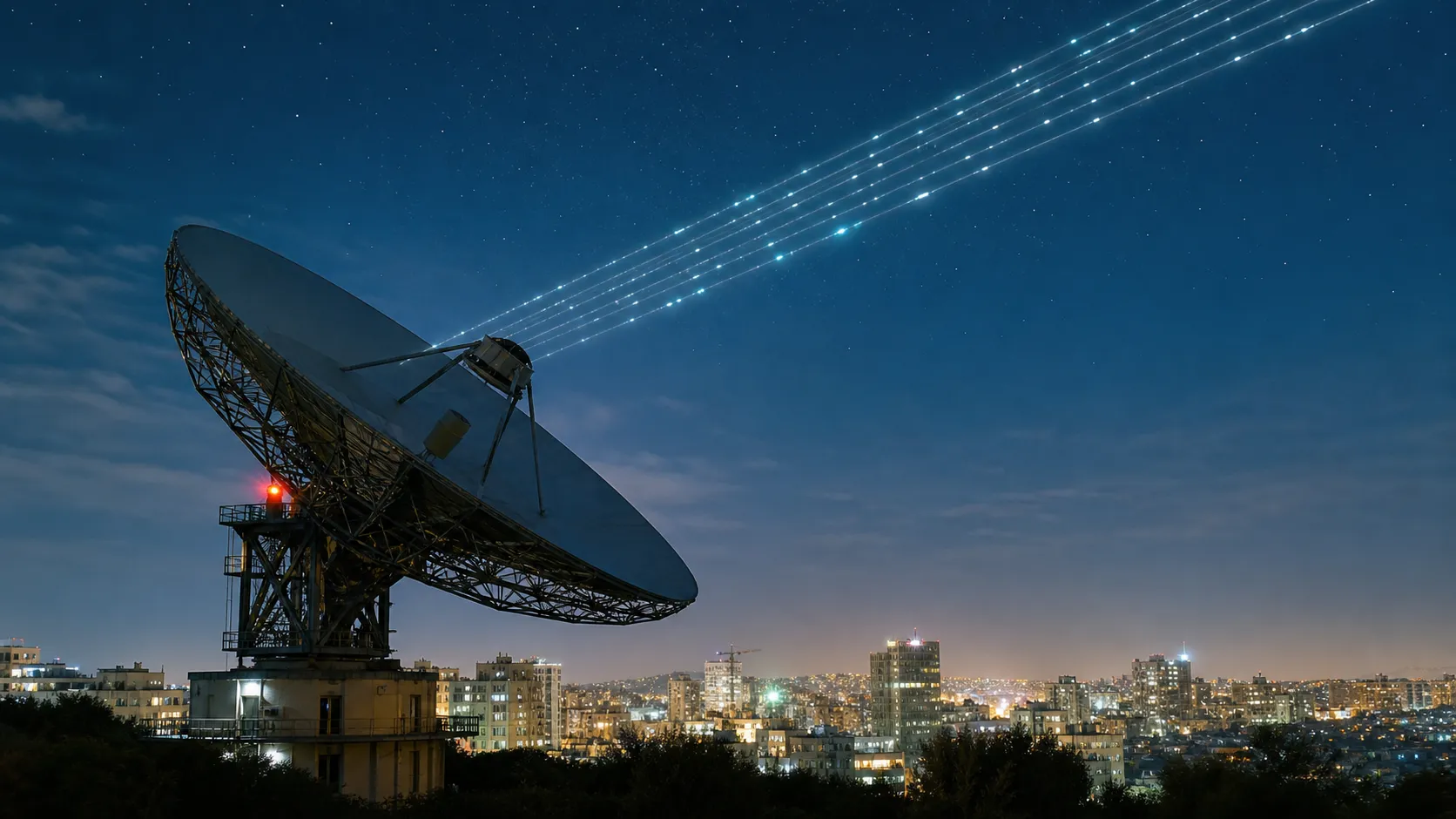
Boaz Levy, head of Israel Aerospace Industries (IAI), outlined his vision of the battlefield of the next decade in an interview: according to him, it will increasingly depend on satellites, artificial intelligence, autonomous systems, robotics, drone swarms and missiles. This was reported by The Jerusalem Post, citing Levy’s conversation for the Maariv podcast.
Satellites and artificial intelligence
Levy called space technologies one of the key elements of future wars. According to him, satellites from the Ofek series provided the Israel Defense Forces with intelligence for precision strikes and operational planning. He also stated that over one year during an active war, Israel launched three satellites: the Dror communications satellite and two Ofek reconnaissance satellites.
The IAI chief said that a plan to create a larger group of small satellites for constant monitoring of areas of interest from Iran to Turkey has already been approved by the government and is at the implementation stage. According to him, part of the funding is provided by IAI research and development budgets, while another part is provided by Israel’s Ministry of Defense.
Levy explained that a large volume of satellite observations creates a data array for artificial intelligence systems. Such algorithms are intended to analyze information from sensors, detect changes on the ground and help predict further developments.
More current news is available on the UA.News Telegram channel Telegram.
Robots, drones and shared data
In Levy’s opinion, in future conflicts militaries will seek to reduce the burden on soldiers by making broader use of robotic and autonomous systems. He believes that wars are no longer limited to a clear front line and are increasingly taking place in cities.
Because of this, according to the IAI chief, a shared information network should be used not only by the military but also by civilian services, rescue workers, hospitals and banks. He stressed that an ambulance, a rescue helicopter and military units need the same operational picture to coordinate their actions.
Levy separately drew attention to the threat posed by drones. He stated that countering drones must combine their detection, kinetic interception means, electronic warfare capabilities and laser systems. According to him, Israel’s Directorate of Defense Research and Development is working on an integrated nationwide solution.
Levy also stated that Israel needs missiles to respond in certain situations, while the question of which military branch should operate them is secondary. In his opinion, the key issue is forming orders and requirements for the development of such missiles.




