
Irish presidency proposes new conditions for EU defence programmes — Politico Europe
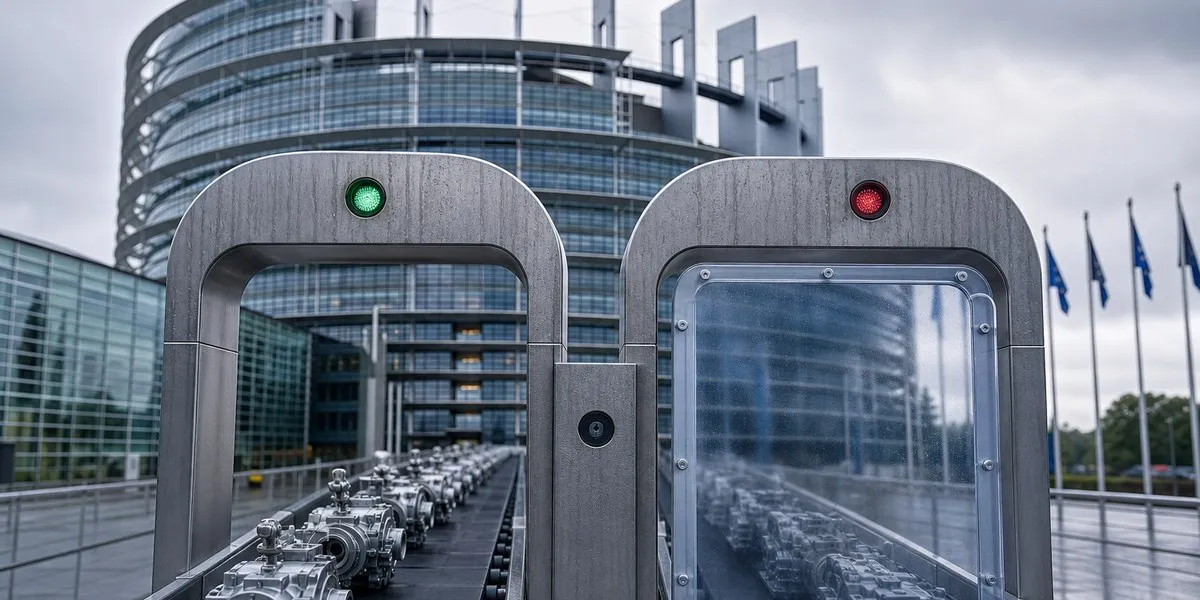
In Brussels, Belgium, disputes continue over the terms of access for non-EU countries to defence funding under the proposed €409 billion European Competitiveness Fund. The Irish presidency of the Council of the EU has prepared a compromise text under which all such countries seeking to join the programmes would have to conclude association agreements with the European Union, Politico reports.
Conditions for EU partners
The draft also provides for contributions from participating countries: financial contributions for most partners or defence technologies in Ukraine’s case, according to diplomats. The new approach would apply, in particular, to Canada, the United Kingdom, Ukraine and Norway. Previously, an option was considered under which close allies, including Ukraine and Norway, could participate without an association agreement and without contributions.
EU member state ambassadors are due to discuss the Irish presidency’s proposal. Some officials do not expect an agreement at this meeting: a French EU official said the issue would be considered at this level for the first time. France and several other countries seek to limit access for external partners, while most capitals favour broader opportunities for companies from third countries.
More current news is available on the UA.News Telegram channel Telegram.
Differences in the European Parliament
The European Commission proposes allocating €131 billion from the future fund to defence and space. By comparison, the current long-term EU budget provides around €25 billion for these areas. The rules governing access to the funds are already affecting EU relations with Canada and the United States, while NATO is concerned about the risk of weakening transatlantic defence cooperation.
Parallel negotiations in the European Parliament have also reached a deadlock. Members of the European Parliament Christian Ehler and Dan Nica support the possibility of funding for countries that have defence association agreements with the EU, under certain conditions. Meanwhile, the European Parliament’s Committee on Security and Defence is more inclined to keep the funds within the European Union.




