
How China uses the term “strategic” in diplomacy — South China Morning Post
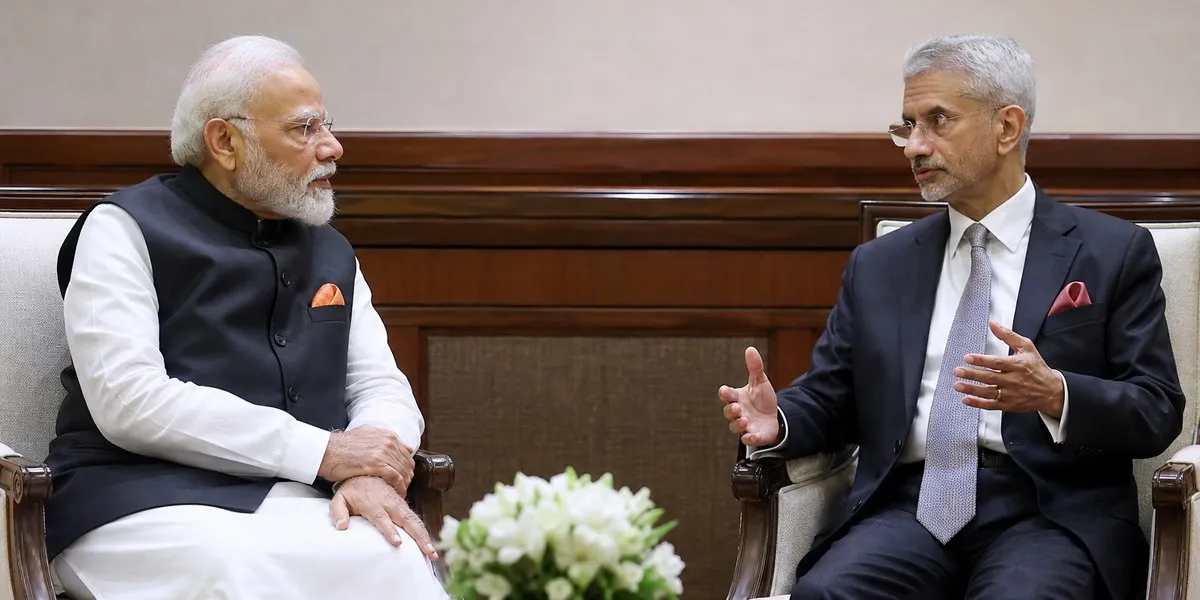
In New Delhi, Chinese President Xi Jinping said during a meeting with Indian Prime Minister Narendra Modi on September 12, on the sidelines of the BRICS summit, that Beijing views bilateral relations from a “strategic and long-term perspective.” He also called for an objective and rational strategic perception under which both sides see each other as partners rather than rivals, and as opportunities rather than threats.
The meaning of the term in China’s diplomacy
As South China Morning Post writes, in Chinese official and diplomatic vocabulary, the word “strategic” usually denotes high importance, long-term significance, and a central place of an issue in the state’s interests and development. Such a definition of bilateral relations implies looking beyond current disputes and short-term calculations, as well as a readiness to give cooperation sustained political attention.
China’s diplomacy has a hierarchy of partnerships. The basic level is a “strategic partnership,” while a higher level is a “comprehensive strategic partnership,” which China has established, among others, with Brazil, France, Indonesia, Egypt, and Saudi Arabia. Other formulations include a “comprehensive strategic cooperative partnership,” an “all-weather strategic cooperative partnership” with Pakistan, and the “comprehensive strategic partnership of coordination for a new era,” which is unique to Russia.
More current news is available on the UA.News Telegram channel Telegram.
Linguistic difference
The author of the article notes that English-speaking audiences may perceive the word “strategic” differently: as a hint of calculation, hidden motives, maneuvering, or an attempt to gain an advantage. This connotation is characteristic, in particular, of the concepts of “strategic voting” and “strategic ambiguity.”
Chinese authorities had previously required state media, think tanks, and academics not to call the Belt and Road plan a strategy, instead using the word “initiative.” In the author’s view, to reduce misunderstandings, Chinese diplomacy should accompany the term “strategic” with more precise explanations of long-term cooperation, mutual benefit, and a willingness to patiently resolve differences.


