
Iraq is delaying payrolls due to a drop in oil exports through the Strait of Hormuz
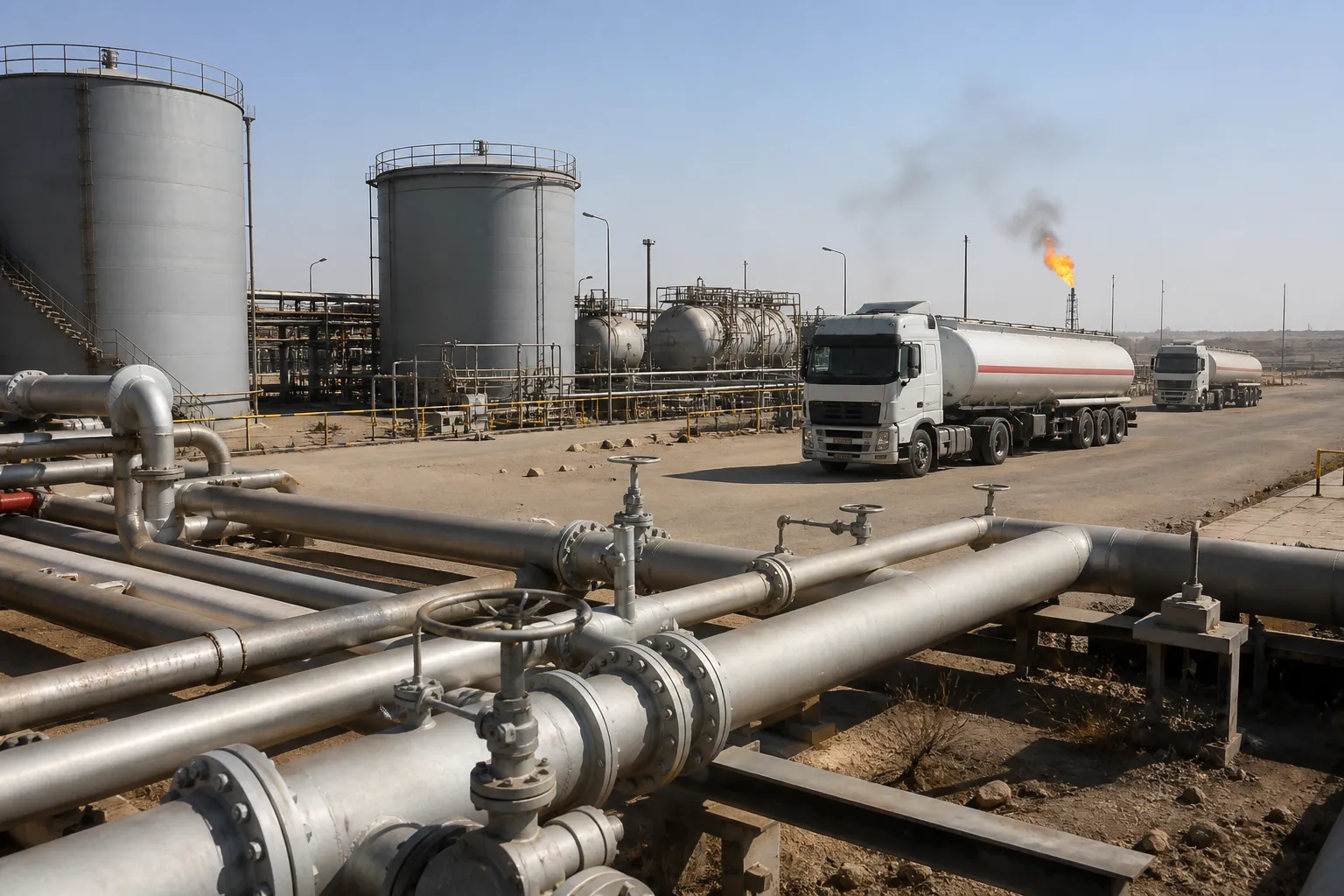
In Iraq, payments to public-sector employees have been delayed for about three months due to a sharp decline in oil exports through the Strait of Hormuz. According to Deutsche Welle, following Israeli and U.S. strikes on Iran in late February, Iran blocked the strait, through which most of Iraq’s oil exports previously passed.
Nearly 85–90% of Iraq’s national budget comes from oil exports. At the same time, about two-thirds of the country’s approximately 30 million working-age residents depend on the government for their livelihoods. Each month, the government needs between $6.5 and $8.2 billion for salaries, pensions, and social benefits.
Before the blockade, 80–90% of Iraq’s oil exports passed through the Strait of Hormuz. In March, oil exports fell by approximately 83% compared to the same period the previous year, and in May, seaborne crude oil exports plummeted by 97%. According to government sources cited by local media, Iraq’s monthly revenues in May and June amounted to only $2–2.3 billion.
For more breaking news, follow the UA.News Telegram channel.
In early August, university employees in various parts of the country and staff at the Ministry of Electricity held small protests over delayed salaries. The Iraqi government denied rumors of a possible switch to a 45-day payment schedule. The government also stated that the country has $83 billion in reserves, as well as gold assets and non-oil revenues; according to its estimates, this will be sufficient to cover payments for 10–11 months.
Iraq is attempting to use alternative routes: a small portion of its oil is exported via a Turkish pipeline, and some is also transported by truck to Syrian ports. The government announced the reopening of a long-closed oil pipeline between Iraq and Lebanon. During a visit to Iran in late July, Prime Minister Ali al-Zaidi requested permission for Iraqi oil to pass through the Strait of Hormuz.
Chatham House expert Haider al-Shakeri suggested that prolonged delays in payments could trigger new, primarily sector-specific protests. According to him, the situation could become more serious if financial difficulties are compounded by power outages, inflation, and a deterioration in public services.


