
Iran has declared that offensive operations are a priority amid a diplomatic stalemate with the U.S.
Iranian officials have begun to publicly speak about prioritizing offensive operations amid a stalemate in diplomatic contacts with the United States. According to Channel NewsAsia, citing AFP, Tehran also views control of the Strait of Hormuz as a lever of influence in its standoff with Washington.
Iran’s Supreme Leader Mojtaba Khamenei, during a reshuffle of the top military command earlier this month, called for strengthening maximum deterrence and preparing for large-scale offensive operations against the enemy. Last week, the deputy commander of the Islamic Revolutionary Guard Corps stated that Tehran is revising its military doctrine, giving strategic priority to offensive operations.
Sina Tussi, an analyst at the Center for International Policy, believes that this shift does not mean Iran is adopting a doctrine of preemptive war. In his view, Tehran may have concluded that, in the event of an inevitable confrontation, it should escalate sooner and more decisively, rather than allowing the U.S. or Israel to dictate the terms of the conflict.
For more breaking news, follow the UA.News Telegram channel.
Ahmad Zeidabadi, an expert on international relations, told AFP that Iranian authorities believe the U.S. has likely ruled out a full-scale war and is seeking to maintain the status quo, including the naval blockade and economic pressure. According to him, because of this, Tehran may view diplomacy as a lost cause and resort to offensive actions to force the U.S. to accept Iran’s terms and begin a new round of negotiations.
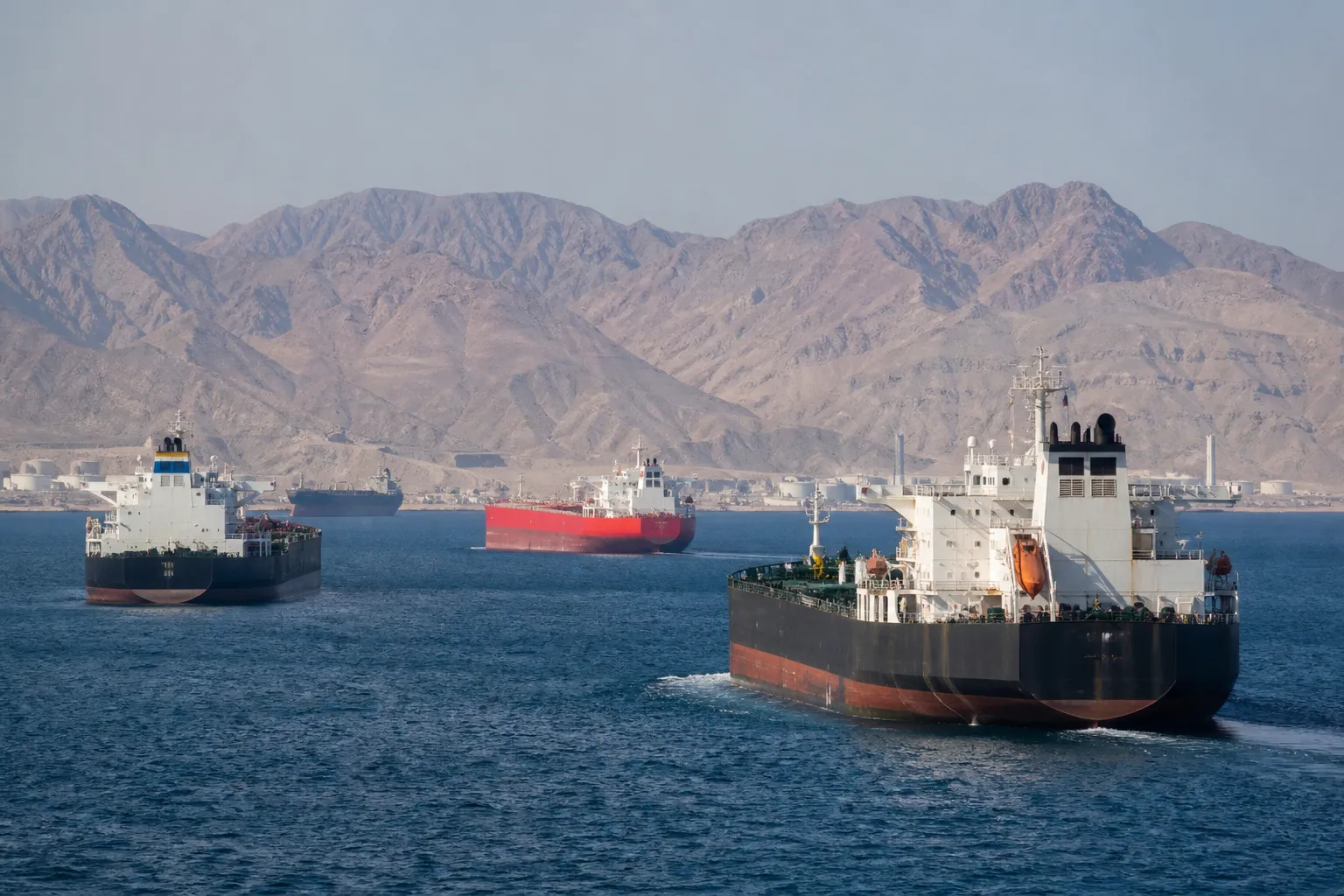
The article notes that diplomatic efforts remain stalled following the breakdown of the ceasefire on June 17. Following this, the U.S. reimposed oil sanctions and a blockade of Iranian ports. The Strait of Hormuz has become a key factor in Tehran’s calculations: Iran requires ships to obtain transit permits and pay service fees. Washington and regional states oppose this, and restoring shipping through the strait is one of the U.S.’s priorities.
Zeidabadi warned that implementing an offensive strategy could have catastrophic consequences for Iran and the region. Tussi also noted that future crises under such conditions could escalate much more quickly due to the parties’ mutual attempts to strengthen deterrence.




