
Israeli official says Israel is ready to resume strikes on Iran — Jerusalem Post
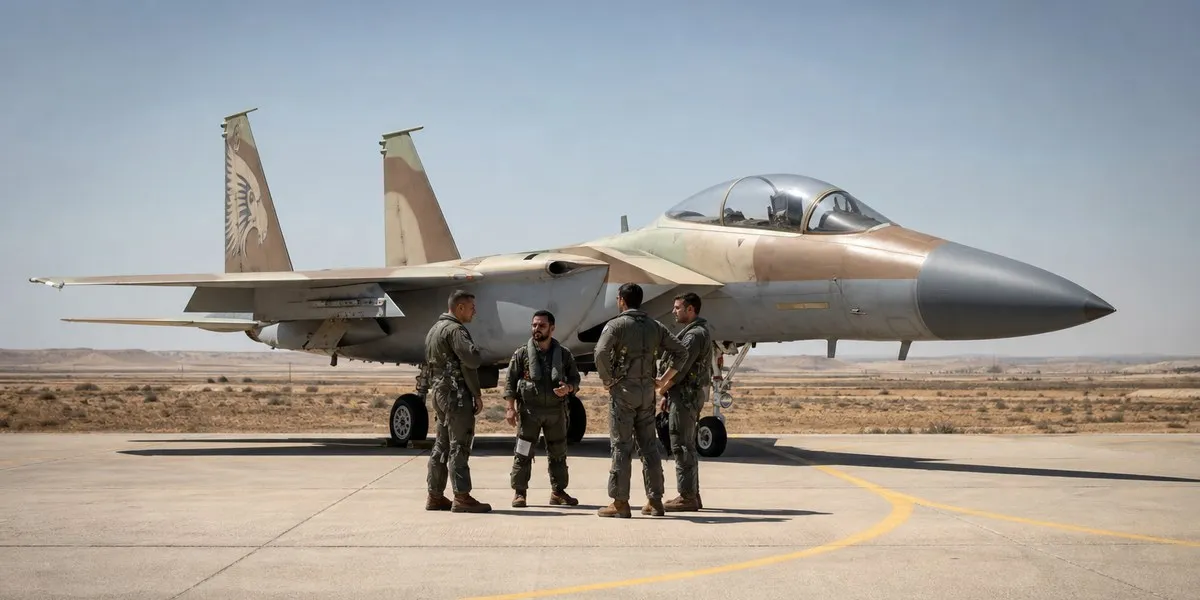
An Israeli official said the country is ready to strike Iranian nuclear facilities and related targets again if Tehran crosses “red lines.” According to him, such actions are possible both with and without U.S. participation, The Jerusalem Post reported, citing the Saudi television channel Al Hadath.
Statements on the nuclear program
The official claims that Israeli intelligence has detected attempts by Iran to restore and intensify its nuclear program in anticipation of a possible strike. He also referred to reports in Israel about the alleged relocation of what remained of the nuclear project to Jabal el-Fas near the nuclear facility in Natanz.
According to him, Israel is ready at any moment for defensive and offensive actions in the event of a new armed confrontation with Iran, as well as on other fronts. The official said that economic sanctions against Iran-linked entities are creating pressure inside the country, deepening internal divisions and may push the Iranian authorities toward military action in the region, including against Israel.
More current news is available on the UA.News Telegram channel Telegram.
He also called a change of power in Iran the only path to the emergence of a non-nuclear Iran. According to the official’s assessment, the elections scheduled in Israel for October 27 will not affect decision-making on possible strikes against Iran.
Contacts between Tehran and Washington
The Israeli official critically assessed the current contacts between the United States and Iran, believing that Tehran is delaying negotiations and counting on political changes in the United States and Israel.
On the sidelines of the UN General Assembly in New York, Iranian Foreign Minister Abbas Araghchi and U.S. envoys Steve Witkoff and Jared Kushner communicated through intermediaries. U.S. President Donald Trump reported a productive meeting between U.S. representatives and Iran’s intermediaries. At the same time, Al Hadath noted that no agreement could be reached because of differences, including over the Strait of Hormuz, and a lack of trust between the sides.




