
Cyprus cuts irregular migration by 92% and develops labour routes
In Cyprus, the number of irregular arrivals has fallen by 92% compared with the 2022 peak. At the same time, the authorities are developing legal employment pathways for foreigners to partially address labour shortages, Deputy Migration Minister Nicolas Ioannides said in an interview with Cyprus Mail.
According to him, the decline in irregular migration resulted from a set of measures: enhanced surveillance along the Green Line, the installation of cameras, maritime patrols, faster processing of asylum applications and return procedures. While applications previously could take years to process, decisions are now made within several weeks or months.
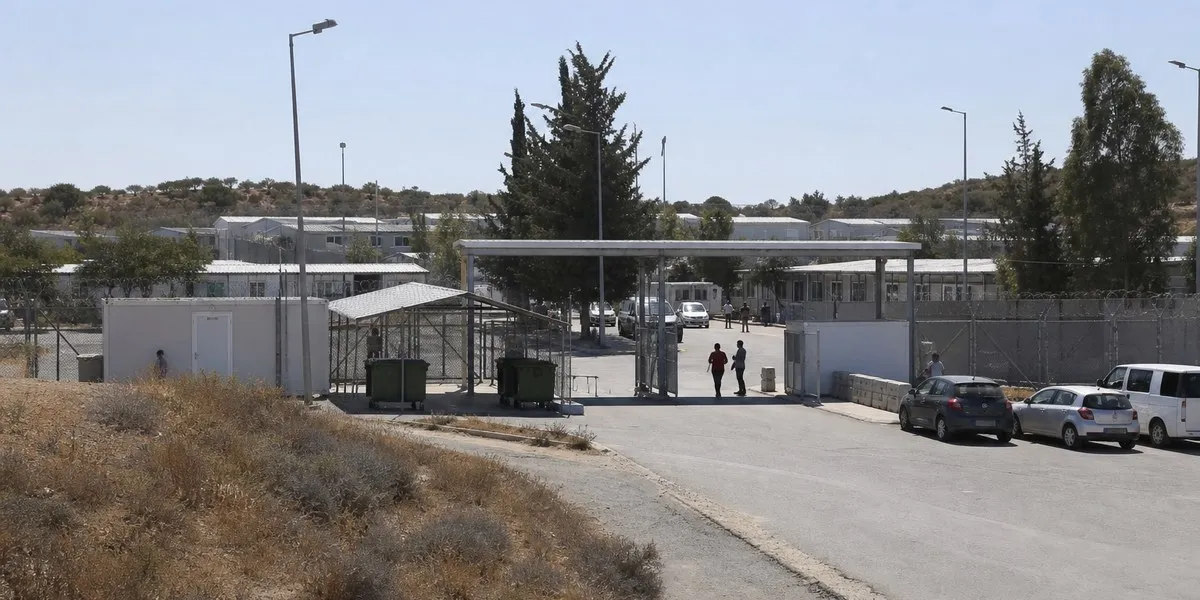
There are currently 142 people at the Pournara migrant reception centre, compared with more than 3,000 at the beginning of 2022. Around 500 people, mainly families, live at the Kofinou centre. At the same time, around 12,000 asylum applications remain pending in Cyprus.
Return of Syrians and route control
Ioannides said that since the cessation of hostilities in Syria, around 5,500 Syrians have voluntarily returned home. Some of them withdrew their asylum applications or renounced their protection status, while others were denied asylum or had their protection revoked because of offences or because the conditions for such protection were no longer met.
The Cypriot authorities are working with the International Organization for Migration on a reintegration programme for returning Syrians. The state also supported the lifting of EU sanctions against Syria and intensified contacts with Damascus, the official said.
More current news is available on the UA.News Telegram channel Telegram.
According to Ioannides, the Green Line, which had previously been one of the main routes for irregular entry into the Republic of Cyprus, has now largely lost this significance. He also said that since the beginning of 2026, more than 4,000 people have been repatriated or deported.
Legal employment
The deputy minister stressed that foreign labour is necessary for the Cypriot economy, where the unemployment rate among the country’s citizens is around 4% or lower. Cyprus has already concluded a bilateral employment agreement with Egypt and is preparing a similar agreement with India.
Asylum seekers may work only in designated sectors. Ioannides explained that broader access to the labour market could, in the government’s view, turn the asylum system into a route for labour migration. A scheme is in place for Syrian families under which one family member may remain in Cyprus on a work permit while the others return voluntarily.
The government has also approved a national strategy for the integration of legal migrants. It provides for language training, skills development, familiarisation with state institutions and measures against stereotypes. By the end of 2027, most legal migration procedures are planned to be moved online.


