
Russia plans to raise taxes on oysters and lobsters to boost budget revenue
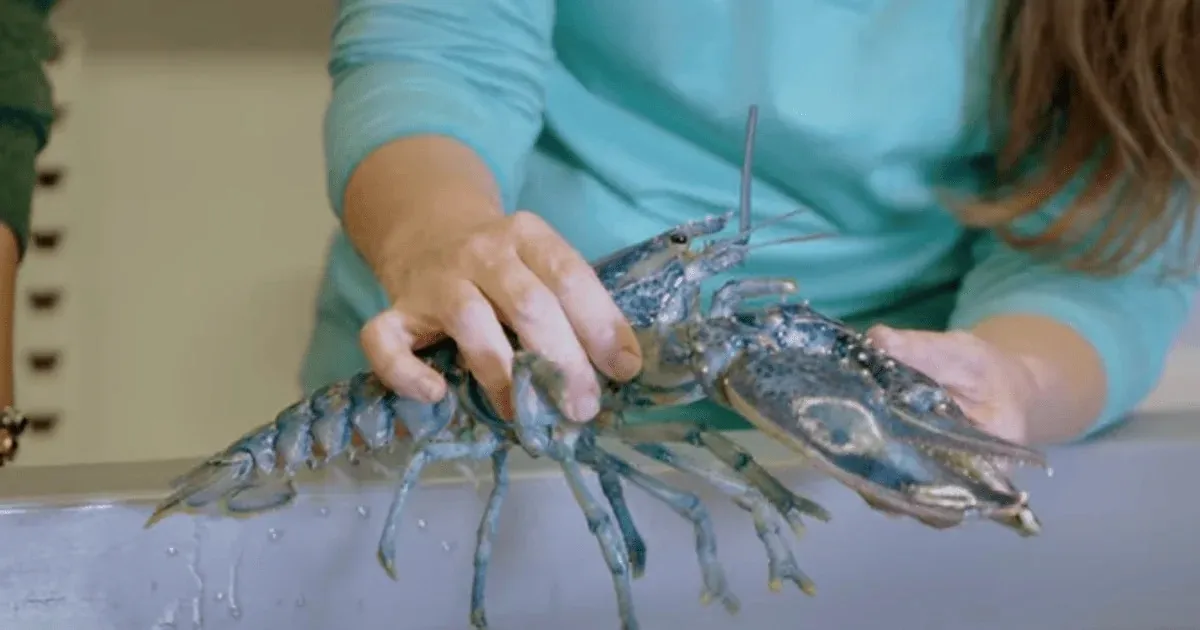
The Russian State Duma has begun drafting a bill to eliminate tax breaks on gourmet foods, including jamón, oysters, and lobsters. The initiative aims to increase budget revenues amid a significant budget deficit and rising military spending, RTV reports, citing a source.
According to the publication’s source, the bill is being drafted in collaboration with Federation Council Speaker Valentina Matvienko. The proposal involves changing the tax rate for products that are currently taxed at a preferential rate—just like baby food.
In early October, Matvienko had already proposed eliminating the preferential 10% VAT rate for crayfish, oysters, lobsters, and langoustines. She estimated that this could bring in about 6 billion rubles to the budget. She argued that affluent consumers who purchase such products would hardly feel the tax increase.
State Duma Speaker Vyacheslav Volodin stated at the time that the additional revenue from these delicacies could be used to build approximately 30 kindergartens.
Russia Is Seeking Additional Sources of Revenue for the Budget
According to estimates by the Russian Ministry of Finance, the federal budget deficit in 2026 could reach 7.3 trillion rubles, or 3.2% of GDP. This would be the highest figure since the start of the full-scale war against Ukraine. A deficit of 5.5 trillion rubles, or 2.2% of GDP, is projected for 2027.
To boost revenues, the Russian government also plans to introduce a windfall tax on cement and fertilizer producers, as well as gold mining companies. In addition, officials want to raise the maximum personal income tax rate on citizens’ passive income—including income from bank deposits—to 22%. They propose setting the same VAT rate for purchases from foreign online stores. According to government estimates, these measures are expected to bring 1.5 trillion rubles into the budget in 2027.
At the same time, the State Duma approved a government bill to significantly increase fines for more than 30 types of economic crimes. In particular, the maximum fine for illegal business operations without a license is proposed to be raised from 300,000 to 1.5 million rubles, and for a similar violation committed by a group of individuals—from 500,000 to 2.5 million rubles.
Despite the search for additional revenue, a significant portion of state funds will continue to be directed toward the war. In 2027, Russia plans to increase spending on “national defense” to 17.1 trillion rubles, up from 12.9 trillion rubles in 2026. According to these estimates, this item will account for about one-third of all budget expenditures.
Russia plans to increase fines on businesses to replenish the war budget.
In St. Petersburg, payments for recruiting soldiers have been cut by nearly nine times due to the budget crisis.
As a reminder, consumer sentiment in Russia is rapidly deteriorating, confidence in the economy is declining, and anxiety is rising. This is reported by the Foreign Intelligence Service of Ukraine. Consumer lending in Russia has fallen to a six-year low.
After three years of unexpected economic growth, Russia is facing a sudden slowdown—war expenses, inflation, and falling oil prices have begun to weigh on an economy that, until recently, seemed resilient to sanctions.




