
China, Russia and Kazakhstan consider Arctic route via the Irtysh and Ob
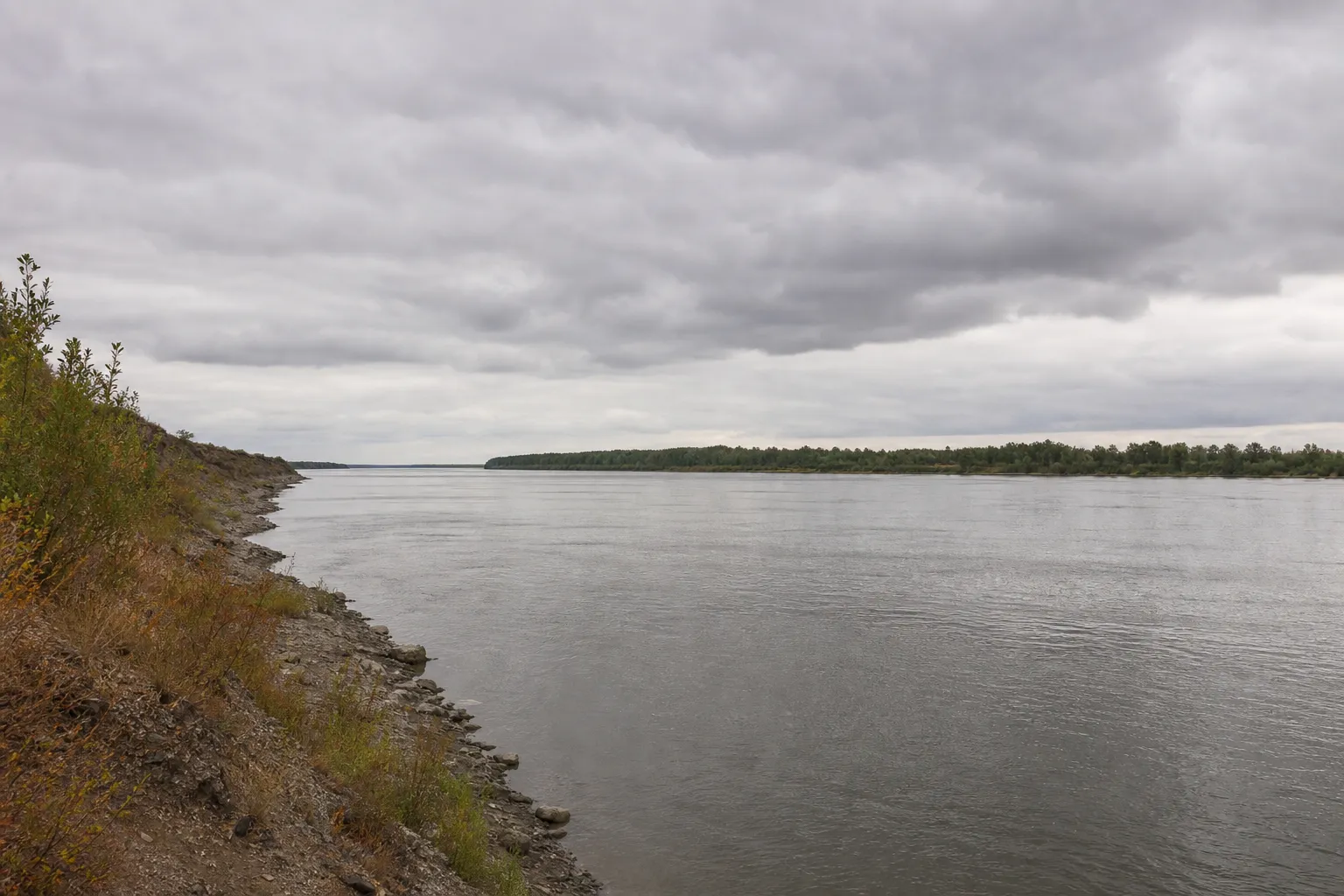
China, the Russian Federation — an aggressor state — and Kazakhstan are considering the development of a new northern trade route via the Irtysh and Ob rivers. It could give Chinese goods access to Russian Arctic ports near the Yamal Peninsula.
According to OilPrice, citing Eurasianet, cargo turnover through the Ob-Irtysh system reached approximately 9 million tonnes per year in the 1970s but fell sharply after the collapse of the USSR in 1991. Russia and Kazakhstan had discussed restoring the route previously, but the project gained new momentum after China showed interest in it.
Kazakhstan’s plans
In 2024, Kazakhstan presented a plan to develop its section of the Irtysh. It envisages increasing annual cargo traffic from almost zero to 2.5 million tonnes by 2028. Berthing and transshipment facilities capable of handling up to 4 million tonnes of cargo annually are also planned, along with the development of passenger services to transport up to 700,000 people a year.
Economist Askat Dyussembayev told Kazinform that cargo transportation along the Kazakh section of the Irtysh alone could generate billions. At the same time, according to estimates cited in the article, launching the route requires tens of billions of dollars in infrastructure investment.
More current news is available on the UA.News Telegram channel Telegram.
Obstacles to navigation
Among the key obstacles is seasonal ice on the Ob: some sections of the river remain impassable for up to six months a year. Droughts and intensive irrigation in recent years have also led to low water levels and disrupted barge traffic in Russian regions.
In Kazakhstan’s Abai Region, the Irtysh water level in some places falls to 105 centimetres, which is insufficient for cargo navigation. Kazakh officials involved Russian specialists in preparing a plan intended to ensure a depth of at least 1.6 metres on the Kazakh section of the river.
Kazakh experts link the decline in river traffic at the end of the Soviet period, in particular, to improperly constructed locks near the Shulbinsk Hydroelectric Power Station. China also uses Irtysh water for irrigation in Xinjiang: over the past 15 years, the flow of water from China to Kazakhstan has decreased by 2.1 cubic kilometres, or 22%.


