
China introduces DNA collection procedure to search for people missing on Nepal-Tibet border
China has informed foreign embassies about a procedure for collecting DNA samples from relatives of foreigners who went missing after floods and landslides on the Nepal-Tibet border. This was reported by Anadolu Agency.
Search and identification
Chinese Foreign Ministry spokesperson Guo Jiakun said that search operations and the identification of the dead in the Xizang Autonomous Region, also known as Tibet, are ongoing. According to him, the Chinese side has informed the relevant foreign embassies in China about the procedure for collecting DNA samples from the families of missing people.
If the remains of foreign victims are found and their identities are confirmed, the Chinese side will promptly inform the relevant embassies about procedures concerning the deceased. Xizang authorities have also opened a hotline to assist the families of missing foreigners.
More current news is available on the UA.News Telegram channel Telegram.
Disaster casualty data
On the Nepalese side, the deaths of 1,385 people have been confirmed, while another 5,130 are considered missing, according to the latest data from Nepal's National Disaster Risk Reduction and Management Authority. The agency also reported that 13,676 people had been rescued and 21,022 security personnel had been deployed for search, rescue and humanitarian operations.
Among those missing in Nepal are 587 foreign tourists. Authorities noted that the number of missing people is still being verified: it may include unidentified bodies and people who have already been rescued. In Xizang, 43 people died and another 519 are considered missing, including 261 foreigners.
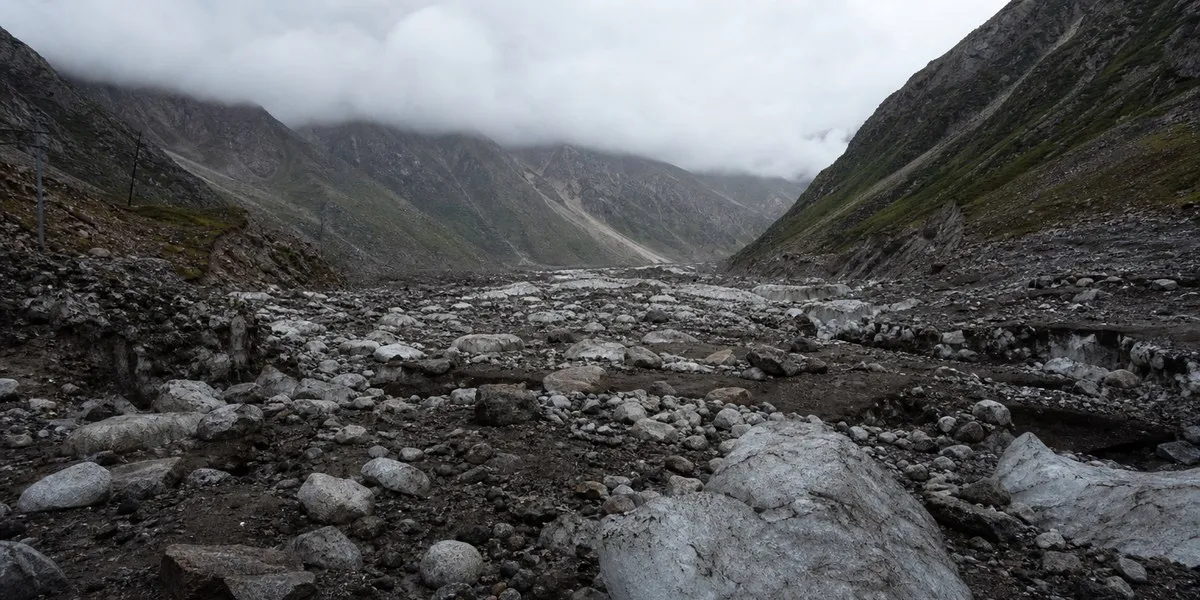
The disaster occurred on August 26, when a glacier on Mount Langtang Lirung in Nepal split at an altitude of about 5,200 meters. The ice-and-rock avalanche turned into a powerful debris flow that moved through valleys along the border. Floods and landslides devastated the districts of Rasuwa, Nuwakot, Dhading and Kavre, as well as the Kathmandu Valley; in Xizang, the disaster buried the Gyirong border crossing.


