
Study finds longer seasons of extreme heat worldwide — Mongabay
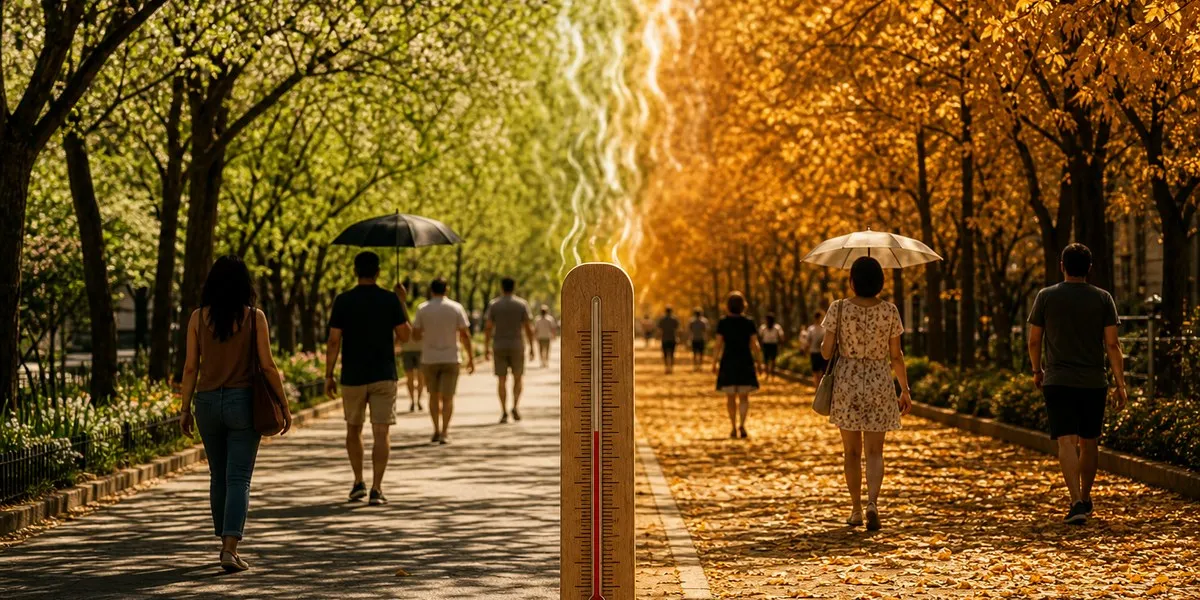
An analysis of climate data since 1980 has shown that extremely hot days are spreading beyond the traditional summer period into spring and autumn. As Mongabay reports, scientists found that the dry-heat season has become noticeably longer across more than half of the planet, while the humid-heat season has lengthened across nearly half of all areas.
Heat is changing seasonality unevenly
A research team led by Goddard Space Flight Center climate scientist Kasey Ivanovich analyzed the hottest 5% of days in different parts of the world. To assess dry heat, they used maximum air temperature indicators, while for humid heat they used wet-bulb temperature, which accounts for the combination of heat and humidity.
The changes differed by region. Spring is becoming hotter in Western Europe, southern Africa and northwestern India. Meanwhile, extreme heat is more frequently recorded in autumn in eastern China, North Africa, Eastern Europe and the western United States. In Phoenix, Arizona, researchers observed a different pattern: the humid-heat season shifted to an earlier period, while the dry-heat season moved later.
More current news is available on the UA.News Telegram channel Telegram.
Risks to health and agriculture
Humid heat is especially dangerous to health because high humidity makes it harder for the body to cool itself through sweating. According to Erika Fleishman, director of the Oregon Climate Change Research Institute, such conditions can worsen existing illnesses, increase heat stress and raise the risk of heat exhaustion and heatstroke.
Dry heat, in turn, creates greater water stress for plants, reduces the productivity of crops and vegetation, and in some cases can lead to widespread plant mortality. A longer hot period may also increase the overlap between heat and wildfire seasons, while autumn heat can intensify conditions for Atlantic hurricanes.
Scientists note that public protection systems, cooling centers and power grids are often designed primarily for summer demand. Governments are therefore advised to extend heat-response measures to spring and autumn months, when vulnerable groups may not be prepared for dangerous temperatures.




