
Kathmandu Post Column Criticizes Nepal’s Government After Floods
In Nepal, the government of Prime Minister Balendra Shah creates an impression of control through digital communication and public gestures, while problems in public policy, the economy and disaster response remain unresolved. This assessment was expressed by the author of a Kathmandu Post column.
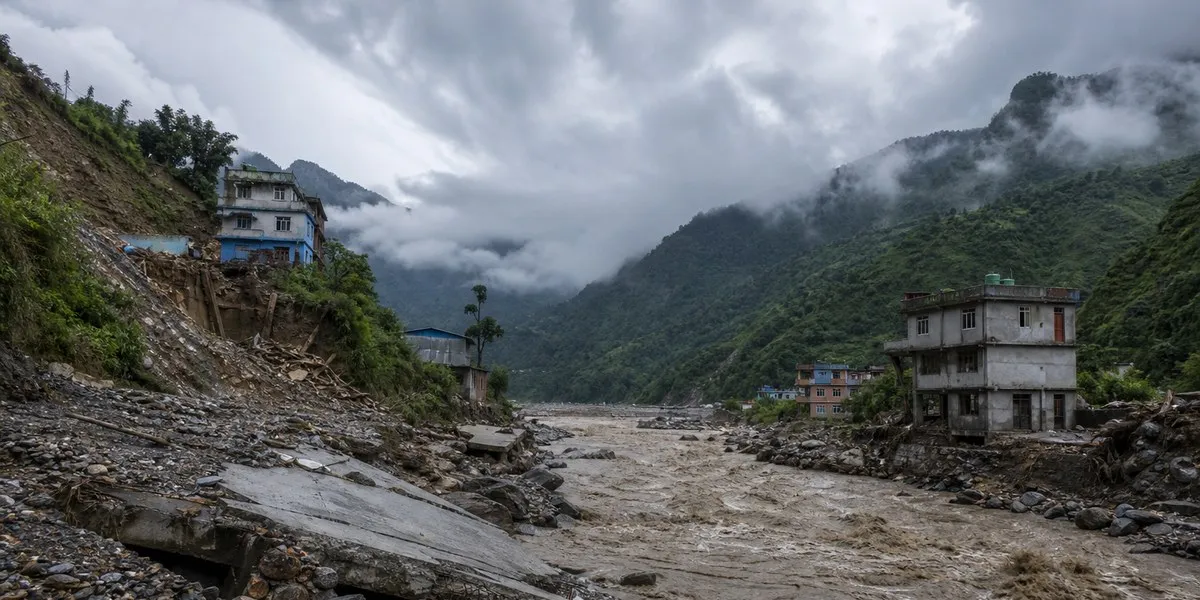
The columnist links this criticism to the aftermath of sudden floods in the Rasuwa district and nearby areas. The United States announced $500,000 in emergency aid for those affected, to be delivered through Catholic Relief Services.
Aid and climate risks
The column compares this amount with US aid after the 1954 monsoon floods, when Washington announced a package of approximately $2 million. The author considers the current support symbolic and links the scale of international aid to the strategic interests of donor states.
He also notes that Nepal’s share of global greenhouse gas emissions is less than 0.1%, yet the country is experiencing serious consequences of global warming. In the columnist’s view, calls for climate justice do not guarantee substantial financial support from major polluting states.
More current news is available on the UA.News Telegram channel Telegram.
Reconstruction and trip to the UN
The author writes that after the disaster on the Bhotekoshi, the rescue operation has not yet been completed, while assistance to those affected and reconstruction will require time. According to his description, the water washed away many facilities, from local government bodies to police posts.
According to the column, Balendra Shah is to make his first foreign trip after taking office to speak at the UN General Assembly in the United States. The columnist suggests that the prime minister will raise the issue of climate justice there.
Heavy rains were forecast in Nepal for September 24–28. The author warns that they could destabilize mountain slopes already saturated with moisture after the monsoon and make rivers more dangerous. He also criticizes the notion that political stability by itself guarantees prosperity and believes that the digital image of a decisive government does not replace systemic solutions.




