
Nepal’s leaders discuss the future of the constitution — Kathmandu Post
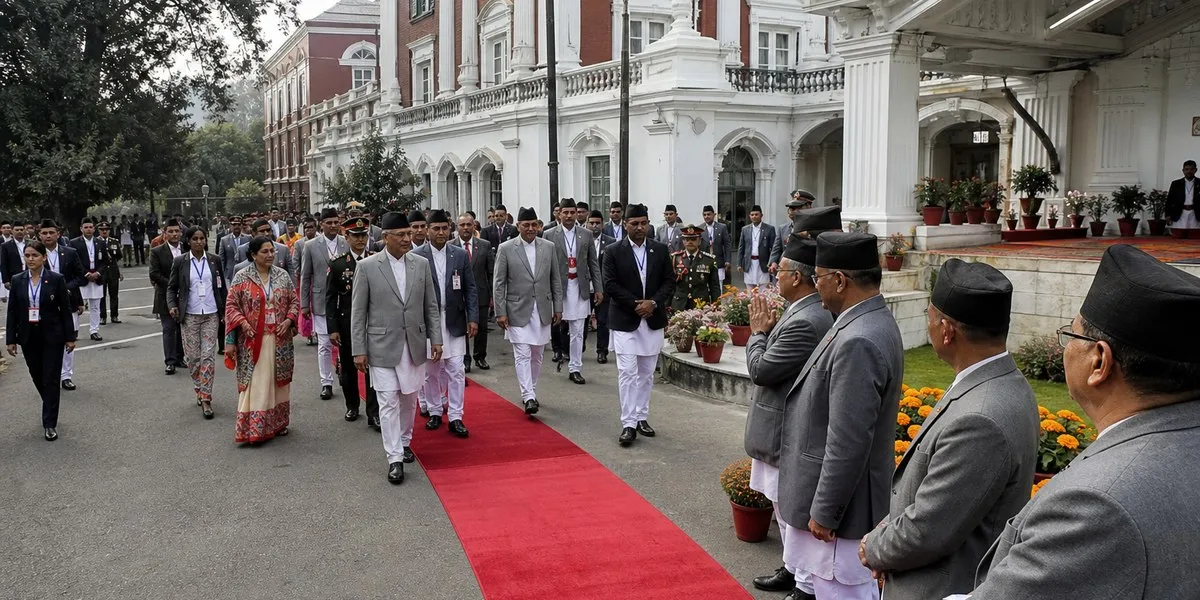
In Nepal, during celebrations marking the 11th anniversary of the proclamation of the constitution, political leaders called for preserving its key achievements but expressed differing views on the further development of the fundamental law. President Ramchandra Paudel stressed the need for full implementation of constitutional provisions, while Prime Minister Balendra Shah stated the government’s commitment to the constitution and its principles.
Nepal’s constitution was proclaimed on September 20, 2015. It enshrined a federal democratic republic, fundamental rights, inclusive and proportional representation, as well as a federal system of governance, the Kathmandu Post reports.
Calls for implementation of the constitution
At a ceremony at the president’s office in Shital Niwas, Paudel said that the constitution had laid the foundations for civil liberties, the rule of law, inclusive representation, and social, cultural, and economic transformation. He called for its provisions to be fully implemented, for public administration accountability to be strengthened, for the effectiveness of constitutional bodies to be improved, and for access to justice to be simplified.
The president also called for unity in helping those affected by the devastating Bhotekoshi flood on August 26. He emphasized the need for transparent, accountable, and effective work by the authorities.
More current news is available on the UA.News Telegram channel Telegram.
At a separate event in Tundikhel, Shah said that the constitution would remain merely a document if the people responsible for implementing it did not act honestly and consistently. Among the government’s priorities, he named overcoming discrimination and inequality, development and prosperity, zero tolerance for corruption, the political neutrality of the bureaucracy, and merit-based appointments to public positions.
Positions of political parties
Rabi Lamichhane, chair of the ruling Rastriya Swatantra Party, called the constitution a contract between the state and citizens. He advocated reviewing it with a focus on the needs of marginalized groups and said that the document’s provisions could evolve and change in light of experience in political practice.
Nepali Congress President Gagan Kumar Thapa called for discussing amendments while preserving the constitution’s core values and principles. Former Prime Minister and CPN-UML chair K. P. Sharma Oli, by contrast, emphasized protecting the constitution and strengthening national unity.
Former Prime Minister Pushpa Kamal Dahal said there was a need to link the achievements of the constitutional process with improvements in education, healthcare, employment, production, and equal opportunities. Another former head of government, Baburam Bhattarai, supported amendments based on national consensus, provided that the federal democratic republic, secularism, federalism, and inclusive democracy were preserved.


