
Nepal’s young government balances between China, India and the climate crisis — Kathmandu Post
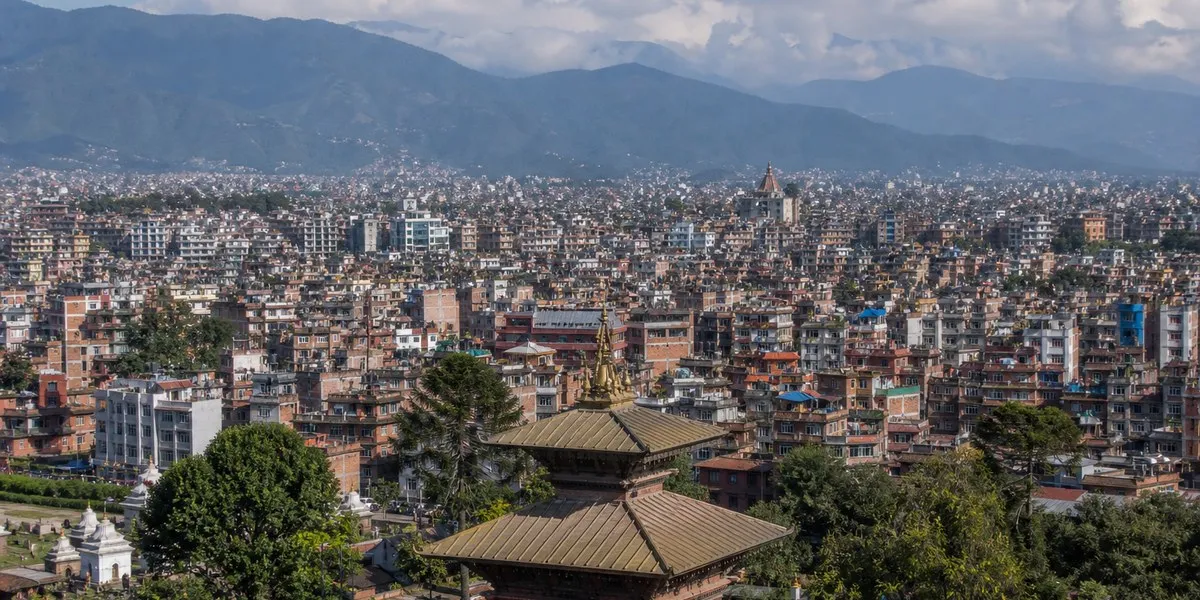
In Nepal, a new generation of political leaders that came to power after youth protests in September 2025 must simultaneously maintain a balance in relations with China and India and respond to the consequences of climate change. This is reported by Kathmandu Post.
According to the publication, years of public outrage over corruption, nepotism and the degradation of institutions led to protests that pushed aside a significant part of the old political establishment. At the same time, the new, largely inexperienced authorities inherited the geopolitical and climate challenges faced by their predecessors.
Balance between two neighbors
Nepal is located between India and China, two nuclear-armed states that closely monitor the country’s domestic politics. Beijing’s interests are linked to stability along the Tibetan border, the one-China policy and infrastructure development under the Belt and Road Initiative. For India, the open border, economic ties, water resources, transport links and security are important.
The publication notes that competition between China and India may create opportunities for Nepal for investment and infrastructure projects. However, excessive rapprochement with one of the neighbors could limit room for maneuver in relations with the other. The new authorities may be particularly vulnerable under pressure from expectations of rapid economic results.
More current news is available on the UA.News Telegram channel Telegram.
Climate losses and hydropower
Nepal’s share of global greenhouse gas emissions is about 0.1%, but the country suffers from landslides, floods and glacier instability. Kathmandu Post notes that the Himalayan region is warming faster than the global average, while changes in glaciers are altering mountain hydrology.
In July 2025, the International Court of Justice, in an advisory opinion, confirmed states’ obligations to prevent significant climate harm, cooperate on its consequences and protect human rights threatened by warming. The publication believes this could give Nepal additional legal arguments in appeals for loss and damage funding.
One of the country’s key resources remains its considerable but largely untapped hydropower potential. It could become a source of funds for adaptation to climate change, but it is also an area of competition between Indian and Chinese interests due to the development of cross-border energy grids.


