
Nationalist parties of Scotland, Wales and Northern Ireland declare right to self-determination
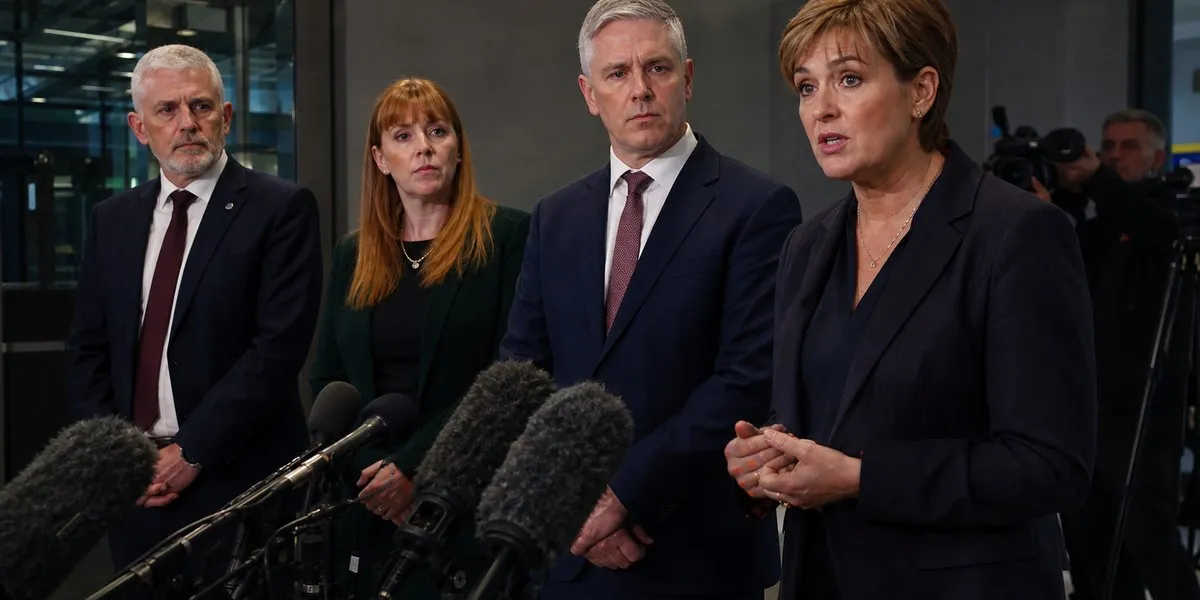
The leaders of nationalist parties in Scotland, Wales and Northern Ireland signed a memorandum of understanding at a meeting in Cardiff, Wales, declaring the right of their peoples to decide for themselves whether to remain part of the United Kingdom. Dawn reports.
The meeting was attended by Scottish National Party leader John Swinney, Plaid Cymru leader Rhun ap Iorwerth, Sinn Féin leader Mary Lou McDonald and the party’s deputy leader Michelle O’Neill. They met as party leaders rather than as representatives of their respective governments.
The memorandum states that no government in Westminster has the right to block democracy or undermine the principle that peoples determine their own future. The document’s authors also said that the future of their nations lies in the European Union.
Parties’ positions
The Scottish National Party advocates holding a second referendum on Scottish independence. In the 2014 vote, Scotland narrowly supported remaining part of the United Kingdom, while subsequent UK governments have ruled out holding a new referendum soon.
More current news is available on the UA.News Telegram channel Telegram.
Sinn Féin is seeking a vote on Irish reunification, which would involve Northern Ireland joining the Republic of Ireland. Plaid Cymru supports Welsh independence in the long term, but Rhun ap Iorwerth said he would not insist on an immediate referendum.
Conditions for a vote
The 1998 Belfast Agreement provides for a referendum on Irish reunification if the UK government’s Northern Ireland secretary considers it likely that a majority of voters would support such a step.
In August, UK Prime Minister Andy Burnham said that a referendum on Irish reunification was “not on the agenda.” Mary Lou McDonald responded that the head of government has no authority to cancel the provisions of the Belfast Agreement. Burnham later changed his position in parliament and, regarding Scotland, said that a new vote would be possible if there were a clear consensus in the north of the country. According to the publication, in a subsequent letter to John Swinney, he clarified that a referendum remained ruled out.


