
Pakistan abstains in UN Security Council vote on Iran — Dawn
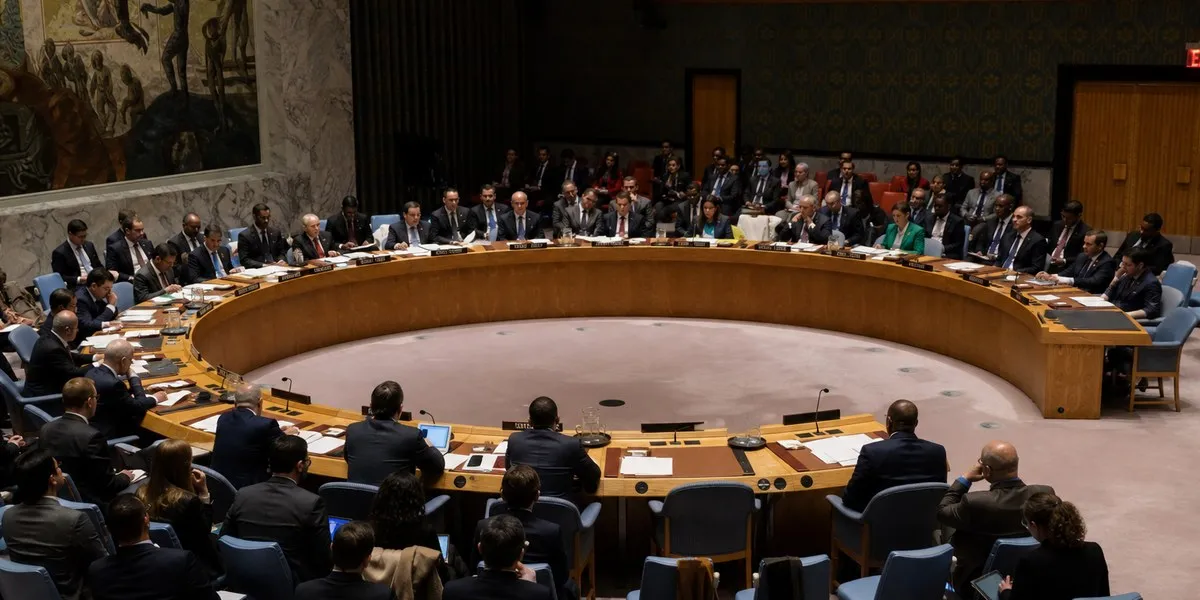
Pakistan abstained during a UN Security Council vote on a US-proposed resolution to extend the mandate of the Panel of Experts, which assists the Council's committee on sanctions against Iran. Dawn reports.
The draft resolution was not adopted because China and Russia voted against it. As permanent members of the Security Council, they blocked the document. Eleven of the Council's 15 members voted in favor, including the United States, the United Kingdom, and France. Two countries abstained, including Pakistan.
Disputes over the sanctions mechanism
Negotiations on the draft took place amid deep divisions in the Security Council over Iran's nuclear program. In particular, the parties are disputing the use of the snapback mechanism, which provides for the restoration of UN sanctions against Iran that were suspended under the Joint Comprehensive Plan of Action and UN Security Council Resolution 2231 of 2015.
China and Russia reiterated their long-standing disagreement with the legal and procedural validity of this mechanism. The dispute over the mandate of the panel of experts is part of a broader disagreement over the status of the UN sanctions regime after the United Kingdom, France, and Germany initiated snapback in 2025.
More current news is available on the UA.News Telegram channel Telegram.
Pakistan's position
Pakistan's Permanent Representative to the UN, Asim Iftikhar Ahmad, explained the country's abstention by concerns over the increasingly complicated situation surrounding Iran's nuclear program. According to him, the Security Council has moved away from the spirit of cooperation and peaceful settlement that accompanied the adoption of Resolution 2231.
The diplomat stated that diplomacy and dialogue should be the guiding principle for resolving outstanding issues concerning Iran's nuclear program. He also stressed the need to respect the rights, obligations, and responsibilities of the parties.
The US draft provided for extending the mandate of the panel of experts until September 2027. It was to provide recommendations on updating sanctions measures, quarterly reports on its work, and an annual report to the Security Council. The panel was established by Resolution 1929 in 2010 to monitor the implementation of restrictive measures against Iran, and its mandate was due to end on September 26.
Pakistan also reaffirmed its support for the International Atomic Energy Agency as the technical body responsible for implementing safeguards agreements. Ahmad called on the parties to resume diplomatic engagement and return to negotiations.


