
Holocaust survivor Eva Umlauf voices alarm over AfD's success in Germany
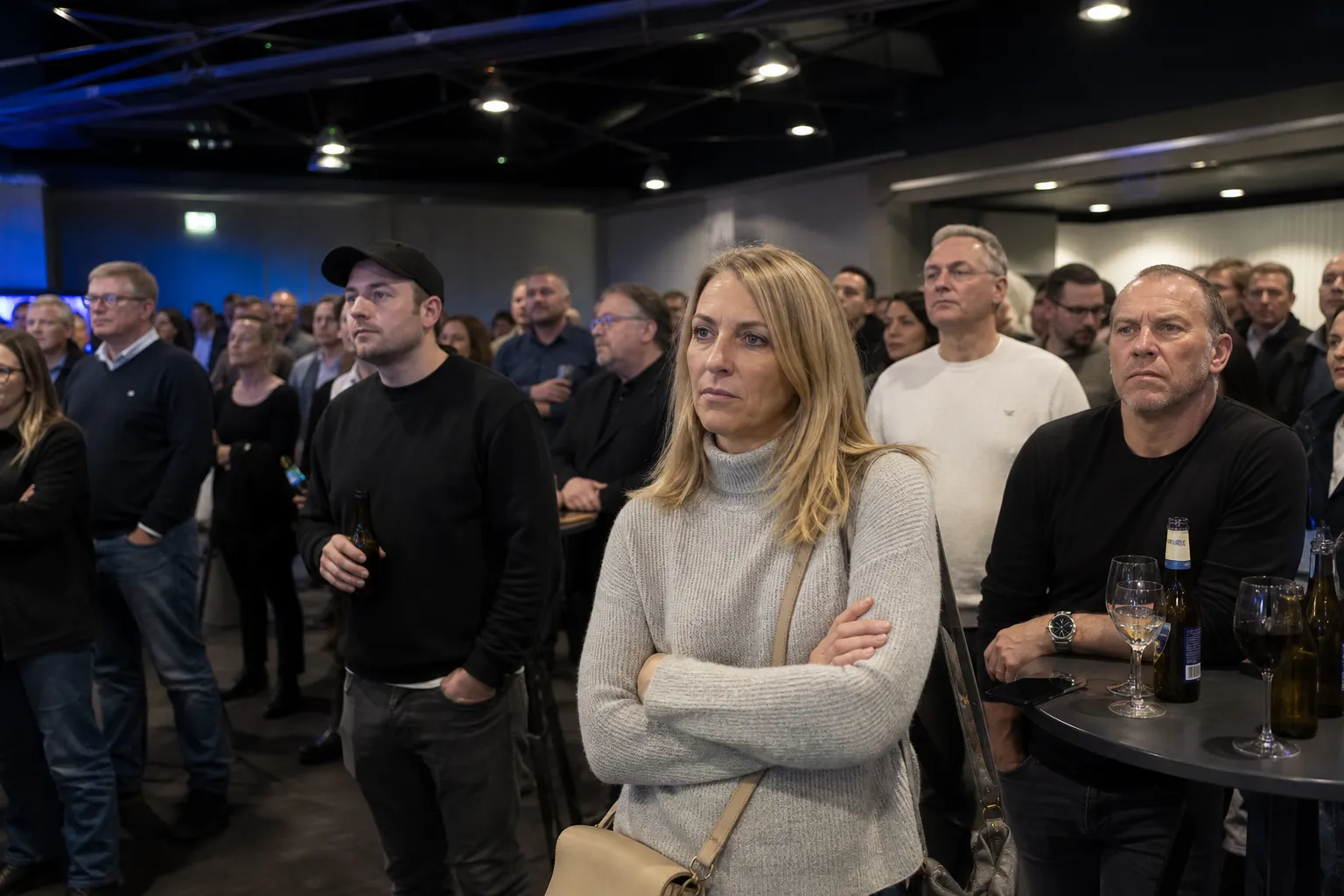
Holocaust survivor, pediatrician and psychotherapist Eva Umlauf said she was shocked by the success of the far-right Alternative for Germany (AfD) party in elections in the eastern German state of Saxony-Anhalt. AfD's victory has brought the far-right party closer to power in a German state for the first time since the end of World War II, The Jerusalem Post reports.
Eva Umlauf's reaction
Umlauf was two years old when she and her mother were liberated from the Nazi death camp Auschwitz in January 1945. She now lives in Munich, conducts classes at schools about the Holocaust and chairs the International Auschwitz Committee.
“What can I say? I expected this, but I am still shocked,” Umlauf said in an interview with Reuters. She added that she was saddened and did not understand what motivated people to vote for AfD. “We are afraid. We know what happens to minorities, what happens to foreigners,” she said.
The party's positions and criticism
AfD was founded in 2013 as a Eurosceptic party during the eurozone crisis. It rejects comparisons with the Nazi Party, denies antisemitism and says that leading parties use such accusations to suppress the opposition.
More current news is available on the UA.News Telegram channel Telegram.
The party advocates limiting immigration, particularly from countries it considers “culturally alien” to Germany, leaving the euro and restoring ties with Russia to reduce energy prices. Its opponents accuse AfD of downplaying Germany's Nazi past. The Central Council of Jews in Germany calls it a party where antisemites and far-right extremists have found refuge.
The AfD branch in Saxony-Anhalt is classified as right-wing extremist by the local office for the protection of the constitution. The party considers this classification politically motivated. Its election program envisages shifting the focus of school history lessons from the Nazi period to figures such as Otto von Bismarck, as well as restoring military memorials to German soldiers who died in the two world wars.
Umlauf said she does not consider AfD's views to represent the position of the majority of Germans. According to her, the party's average level of support across Germany is about 30%, while the remaining voters may mobilize.


