
US House subcommittee recommended studying brain injuries in Navy pilots
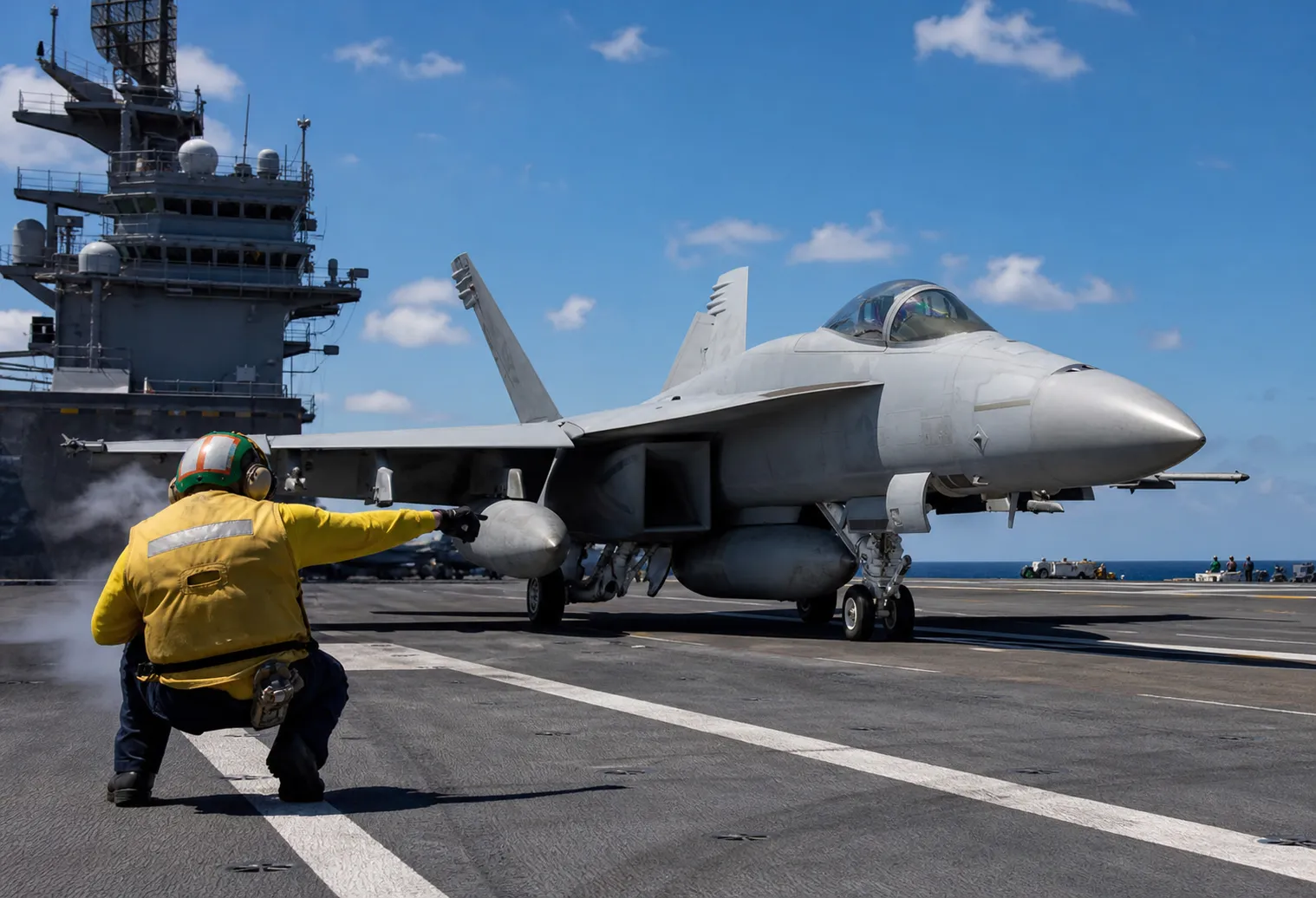
The US House of Representatives Subcommittee on Military and Foreign Affairs recommended conducting a long-term study of the possible effects of aircraft carrier launches and landings, as well as intensive maneuvers, on the brain health of US Navy pilots. As AeroTime reports, the study is proposed to continue during aviators’ service and after their separation from military service in order to identify health problems that may emerge years later.
Recommendations for Congress
The proposal is set out in a 29-page report by staff of the House Committee on Oversight and Government Reform’s subcommittee, released on September 8, 2026. Committee Chairman, Kentucky Republican James Comer, and Subcommittee Chairman William Timmons of South Carolina said the Navy had insufficiently studied the possible link between brain injuries, mental health problems, and suicides among aviators.
According to the lawmakers’ assessment, current medical procedures focus on identifying specific injuries and may fail to detect damage that develops gradually. They also noted that fears of losing flight status or negatively affecting one’s career may deter aviators from seeking treatment.
Available data and the Navy’s plan
A study released in April 2026, based on data from more than 8,500 active-duty military aviators, found no clear evidence that crews of fighter and attack aircraft were more likely to have diagnosed migraines, mild traumatic brain injuries, memory impairment, or cognitive problems than crews of helicopters, surveillance aircraft, or transport aviation.
More current news is available on the UA.News Telegram channel Telegram.
Researchers compared the medical records of service members who were serving in December 2024. They pointed to limitations: aviators who had already left service because of health problems that prevented them from flying may not have been included in the sample. They also lacked data on each pilot’s total number of flight hours, and reluctance to report symptoms may have affected the conclusions.
The report mentions the Navy’s proposal to conduct a 12-year health study costing about $3.9 million, excluding additional funding for longer-term follow-up. It also describes Project Odin’s Eye, a brain-function screening program for special operations personnel and a small number of aviators; the Navy told investigators that it is not a formal research program.
The subcommittee proposes that Congress direct the Pentagon to create a separate aviator brain health program and review medical rules that may hinder people from seeking help. These proposals are recommendations to Congress, not a notice of a study that has already been funded or launched.




