
PMA calls for transparency in Pakistan's MDCAT
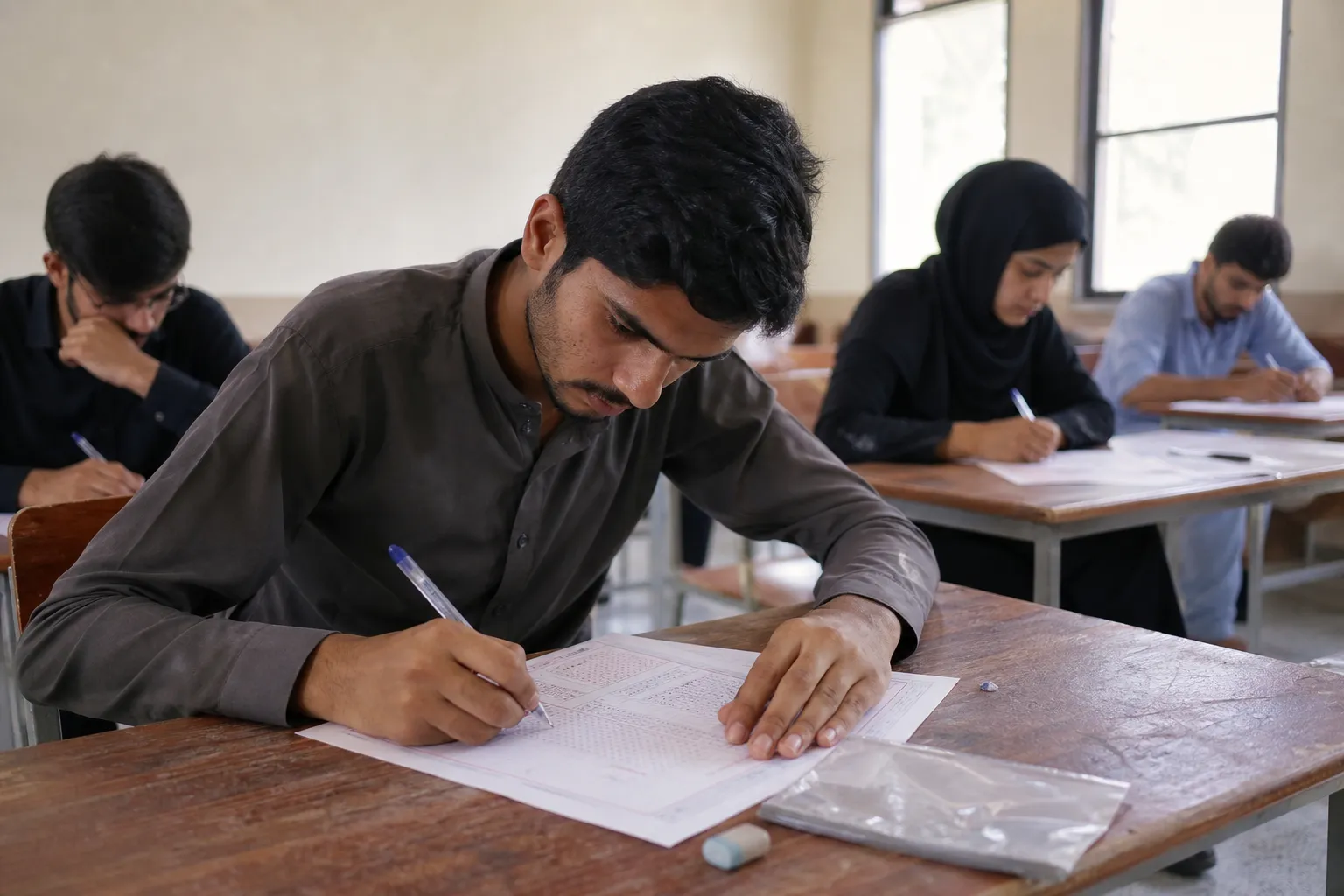
In Pakistan, the Pakistan Medical Association (PMA) has called for complete transparency and flawless security during the MDCAT 2026 Medical and Dental College Admission Test, scheduled for September 20. The organization is also demanding an immediate independent forensic audit of the country's private medical and dental colleges, Dawn reports.
Requirements for conducting the test
PMA Secretary-General Dr Abdul Ghafoor Shoro said the association has long been concerned about the country's reliance on high-stakes entrance examinations as the main mechanism for selecting students for medical education.
According to him, previous controversies surrounding MDCAT, including allegations of leaks of examination materials, administrative failures and other irregularities under different testing bodies, have undermined public trust in the examination.
PMA called on the authorities to guarantee transparency, strict security measures and effective organization of the test on September 20. Shoro stressed that future medical professionals should be selected through an impartial process based on candidates' merit.
More current news is available on the UA.News Telegram channel Telegram.
Concerns over private colleges
The association believes that attention should be focused not only on entrance examinations but also on improving the quality of primary and secondary education. In Shoro's view, a properly organized education system should equip students with the knowledge and skills needed to pursue medical education without excessive reliance on a single stressful selection test.
He added that bringing basic school education in line with global standards could, in the long term, reduce the need for centralized tests such as MDCAT.
PMA also expressed serious concern about the commercialization of medical education, primarily in the private sector. Shoro claims that some private colleges that have expanded rapidly in recent years have insufficient staff, an ineffective academic structure and employ teachers on a part-time basis. According to him, some institutions lobby for an increase in the number of seats without meeting basic educational and clinical requirements.




