
Chilean Ambassador Cordano sees chance to adopt treaty in March — Channel NewsAsia
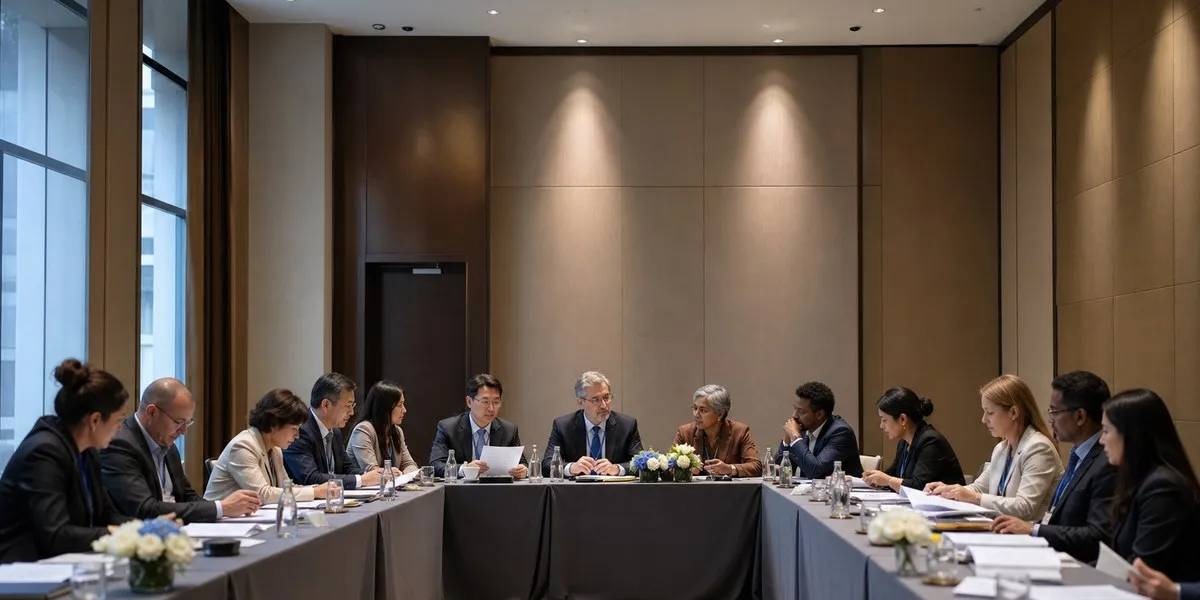
In Bangkok, Thailand, the chair of negotiations on the first global treaty to curb plastic pollution, Chilean Ambassador Julio Cordano, said the agreement could be adopted in March 2027. After informal closed consultations with heads of delegations, he said countries had become less divided in their positions, Channel NewsAsia reports.
Negotiations have dragged on for more than a year
Cordano took over the negotiation process earlier this year after his predecessor resigned. Work on a treaty to combat plastic pollution began in 2022 and was intended to be completed within two years. However, key negotiations in South Korea in 2024 ended without a result, while resumed talks in Geneva in 2025 also made no progress.
According to Cordano, the agreement could be adopted during the next official round of INC 5.4 negotiations, scheduled for March. To achieve this, participants must, in his assessment, move consistently along the roadmap he presented.
Disputes over limiting production
Most countries support ambitious legally binding measures to reduce plastic production, which is expected to triple by 2060. At the same time, a smaller group of states, mostly oil producers including Saudi Arabia, Kuwait and Russia, opposes such restrictions and proposes focusing primarily on waste management.
More current news is available on the UA.News Telegram channel Telegram.
Before the consultations in Bangkok, Cordano presented a non-binding negotiating document containing possible provisions of the future treaty. Its most contentious parts were left in square brackets. These include a possible cap on plastic production, references to human health, and definitions of problematic plastic products and chemicals of concern.
Different approaches to restrictions
AFP sources said that some countries are increasingly supporting a document with different action options: states with more ambitious approaches could limit plastic production or specific products, while others could choose not to do so. Cordano noted that different paths and starting points are provided for in the negotiation mandate.
At the same time, participants still need to resolve the issue of mechanisms for adopting the treaty and amending it in the future. Some countries insist that all decisions be adopted by consensus, while opponents of this approach believe it would allow a small group of states to block progress. Cordano plans to publish a new negotiating document next month ahead of the final round of informal consultations in January.




