
Lithuanian President Says Russia Is Preparing Operations Against NATO Infrastructure – LRT
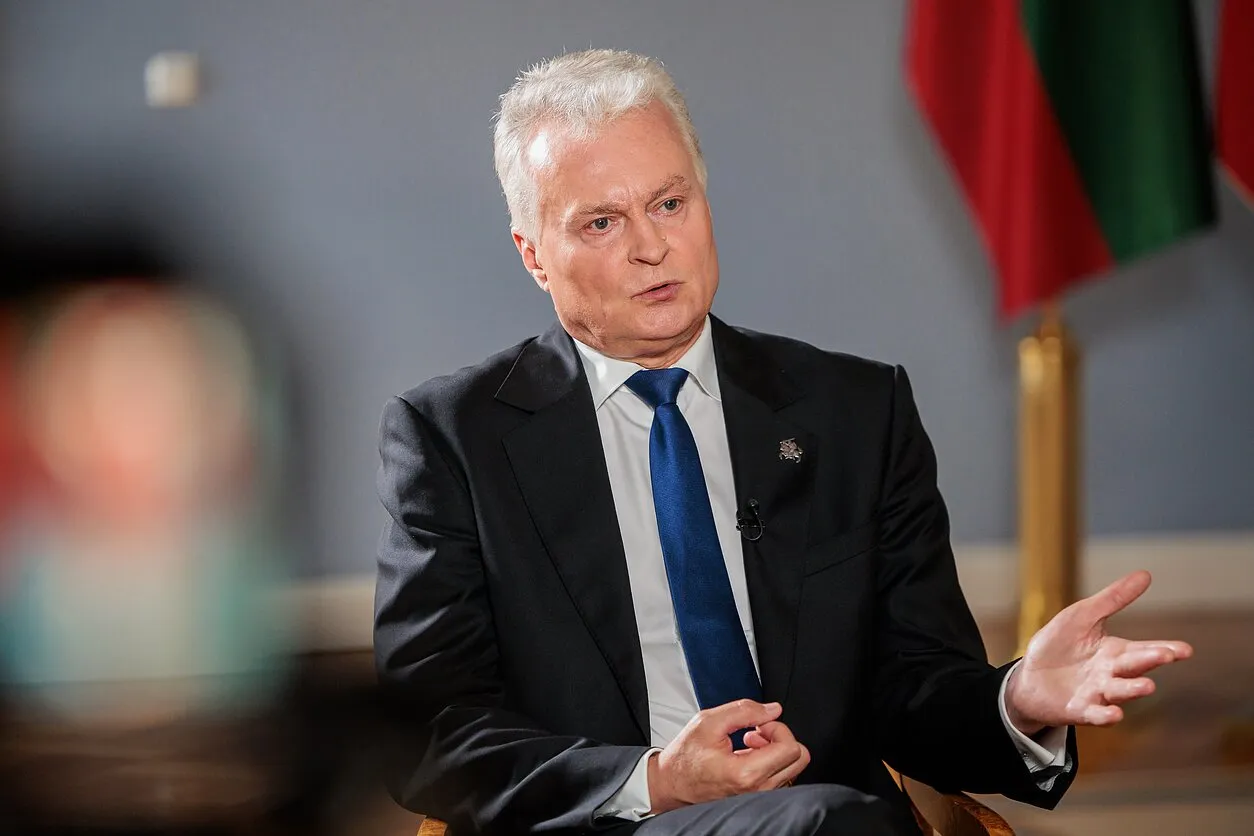
Lithuanian President Gitanas Nausėda stated on July 15 that Russia may be planning provocations in the Baltic states or Poland. According to him, intelligence reports indicate possible attempts by Moscow to test NATO’s readiness and unity.
Nausėda confirmed reports that had previously appeared in foreign media suggesting that Moscow may be preparing limited attacks on critical infrastructure in the region using both conventional and other means.
“We have received such signals from our intelligence services. They do not specify a particular location or time, as it is simply impossible to determine that. The other side may not have yet completed the planning process, and we may only be aware of the fact of the preparations or the intended target,” he said.
According to the Lithuanian president, Russian operations “are highly likely to be directed against critical infrastructure.”
He did not provide evidence to support this assessment nor did he name any possible targets.
As Nausėda noted, in light of this threat, Lithuania has recently strengthened the protection of its critical transportation and energy infrastructure.
He also added that the authorities are preparing for a wide range of possible attacks that could disrupt the operation of key facilities.
“Anything that could halt the operation of these facilities is significant, as they are important not only in and of themselves but also because they ensure the functioning of the entire system, especially our synchronization with the continental European power grid,” Nausėda emphasized.
This was reported by LRT.
Read also:
The Lithuanian Seimas has approved Mindaugas Sinkevičius as the new prime minister.
On Tuesday, the incumbent government in Lithuania, led by Prime Minister Inga Ruginienė, officially announced its resignation.
Lithuania will allocate three million euros to develop its own interceptor drone
Lithuania will ban nearly 600 Russians who fought against Ukraine from entering the Schengen Area


