
Continued Blockade of the Strait of Hormuz Could Trigger a Crisis Like the One in 2008 — Bloomberg
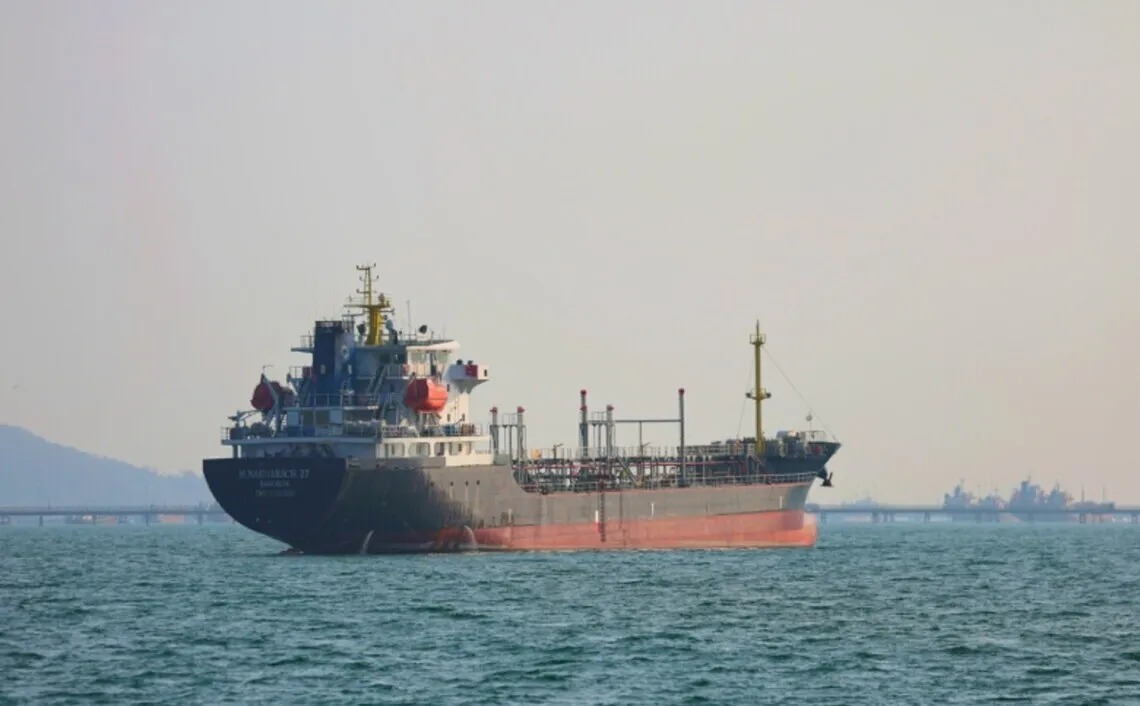
A prolonged blockade of shipping through the strategically important Strait of Hormuz threatens to trigger a major downturn in the global economy, which analysts are comparing to the aftermath of the 2008 financial crisis.
This is reported by Bloomberg, citing an analytical report by the American consulting firm Rapidan Energy Group.
If shipping on this route is not restored by August, the shortage of raw materials will trigger a sharp rise in energy prices and undermine the stability of international markets.
Experts at the leading firm have developed several possible scenarios for the fuel market, depending on when trade routes are reopened.
The consulting firm’s baseline scenario assumes the strait will reopen in July.
Under this scenario, experts forecast a total drop in oil demand of 2.6 million barrels per day and an increase in the price of Brent crude to $130 per barrel.
In the worst-case scenario, with prolonged delays in reopening the maritime corridor, the situation will spiral out of control due to a massive fuel shortage.
According to the company’s experts, in a more negative scenario where the resumption of navigation is delayed until August, the supply deficit in the third quarter will deepen to approximately 6 million barrels per day.
Such a shortage would trigger a chain reaction of price increases for absolutely all categories of consumer goods and logistics services worldwide.
Analysts note that the modern financial system has a certain margin of safety, but it will not be able to fully offset the consequences of a fuel crisis of this magnitude.
“The current macroeconomic situation is less extreme than in the 1970s or 2007–2008. But this comparatively more resilient starting position does not neutralize the risk that further increases in oil prices will exacerbate financial and macroeconomic vulnerabilities,” Rapidan analysts wrote in their note.
Britain has called on Iran to fully open the Strait of Hormuz and restore international shipping, which has been operating intermittently since the situation escalated.
The U.S. is calling on G20 countries, as well as the IMF and the World Bank, to intervene urgently to avoid a fertilizer shortage. Due to the war in the Middle East, supplies have been disrupted precisely during the key planting season.
Global oil prices also fell by about 5% following news of a possible agreement between the U.S. and Iran. Investors reacted to Donald Trump’s statement that a deal is close and began pricing in a reduction in market tensions.
Airlines are warning that flight cancellations could begin in Europe as early as the end of May due to a shortage of jet fuel. The industry is asking governments to prepare a clear action plan in advance in case supplies need to be restricted.
Also, the Pakistani tanker Shalamar became the first vessel to pass through the Strait of Hormuz carrying crude oil since the U.S. blockade began on April 13.
Iran announced the opening of the Strait of Hormuz to commercial shipping for the duration of the ceasefire in Lebanon.


