
Putin May Rely on Winter Attacks on the Energy Sector — ISW
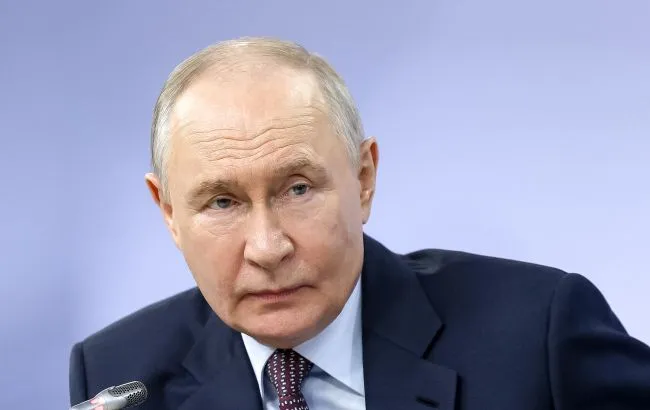
Putin is unlikely to agree to the restriction on strikes against energy infrastructure proposed by Ukraine and the U.S. until the end of winter, according to ISW analysts. In their view, the Kremlin may increasingly rely on long-range attacks this winter after Russian troops failed to make the expected progress on the front lines. However, this is merely the analysts’ assessment, not a confirmed Russian plan.
Russia may bet on massive long-range strikes against Ukraine in the winter of 2026–2027. That is why, according to analysts at the Institute for the Study of War (ISW), the Kremlin is unlikely to agree to an energy truce. This refers to a proposal by the U.S. and Ukraine to temporarily halt long-range strikes on energy infrastructure. The ISW believes that such an agreement could limit one aspect of Russia’s military campaign.
What Putin Said
On September 25, Vladimir Putin stated that Ukraine is allegedly insisting on a halt to long-range strikes on energy infrastructure. He attributed this to the scale of Russian attacks and the use of upgraded “Geran” drones. According to Putin, Ukraine must “feel” Russian strikes in response to its actions.
The Russian leader also stated that Ukraine’s actions, which he called “provocative,” are supposedly leading to a worsening of the situation for Ukraine itself. The ISW views these statements by Putin as a possible sign that Russia is preparing to continue its long-range strike campaign.
A Russian military blogger with ties to the Kremlin also stated that strikes against Ukraine’s economic and industrial infrastructure could weaken Kyiv’s position in negotiations. He advocated for continuing the Russian strike campaign.
Why ISW Is Discussing a Shift in Russian Strategy
Analysts note that as far back as 2024, Putin effectively assumed that the gradual advance of Russian troops would eventually break Ukraine’s defenses and force Kyiv to agree to Moscow’s demands. However, according to the ISW’s assessment, Russia did not achieve the expected result in 2026. Analysts note that since March, Russian forces have made almost no net territorial gains. Meanwhile, Ukrainian forces have launched counterattacks in the Kupiansk, Oleksandrivka, and Lyman sectors.
The ISW also suggests that the Russian command may have been providing the Kremlin with exaggerated reports of successes on the front lines. According to analysts, this could have influenced Putin’s assessment of the actual situation. Separately, the ISW highlights Ukrainian advances north and northeast of Lyman. Analysts believe that public acknowledgment of these advances could force the Kremlin to reconsider its previous approach to the war.
Why the ISW Expects Strikes This Winter
If Russia is indeed changing its approach, it may rely more on long-range strikes. According to the ISW, the goal of such a campaign is to put pressure on Ukraine not only on the front lines but also through strikes on the rear, the energy sector, and critical infrastructure. The new “Geran” series of jet-powered drones could play a key role in this. The ISW notes that Russia uses these drones in both daytime and nighttime attacks, and their higher speed makes them harder to intercept.
At the same time, Ukraine is already developing countermeasures against these drones. According to the ISW, Ukrainian companies have successfully tested several models of interceptor drones capable of destroying Russian jet-powered UAVs. In addition to drones, Russia continues to use missiles, including ballistic missiles. Analysts believe that this winter, Russian forces may combine missile and drone strikes in an attempt to inflict maximum damage on Ukraine’s critical infrastructure.
Will There Be an Energy Ceasefire?
Against this backdrop, the ISW assesses the prospects for an energy ceasefire as low. Analysts believe that if Putin does indeed decide to make long-range strikes one of his primary tools of pressure this winter, he is unlikely to agree to an arrangement that explicitly limits such attacks.
The ISW also suggests that until the end of Russia’s long-range campaign in the winter of 2026–2027, the Kremlin may not agree to significant concessions during negotiations. At the same time, this is a forecast by analysts, not an officially announced Russian strategy. How events actually unfold will depend on the situation on the front lines, the capabilities of Ukraine’s air defense, the scale of Russian strikes, and negotiations between the parties. For now, Russia continues to launch strikes against Ukraine, and the issue of a possible energy truce remains the subject of international negotiations. This information comes from a report by the Institute for the Study of War (ISW).




