
Russia has reached an agreement with Kazakhstan and four other CIS countries on data sharing
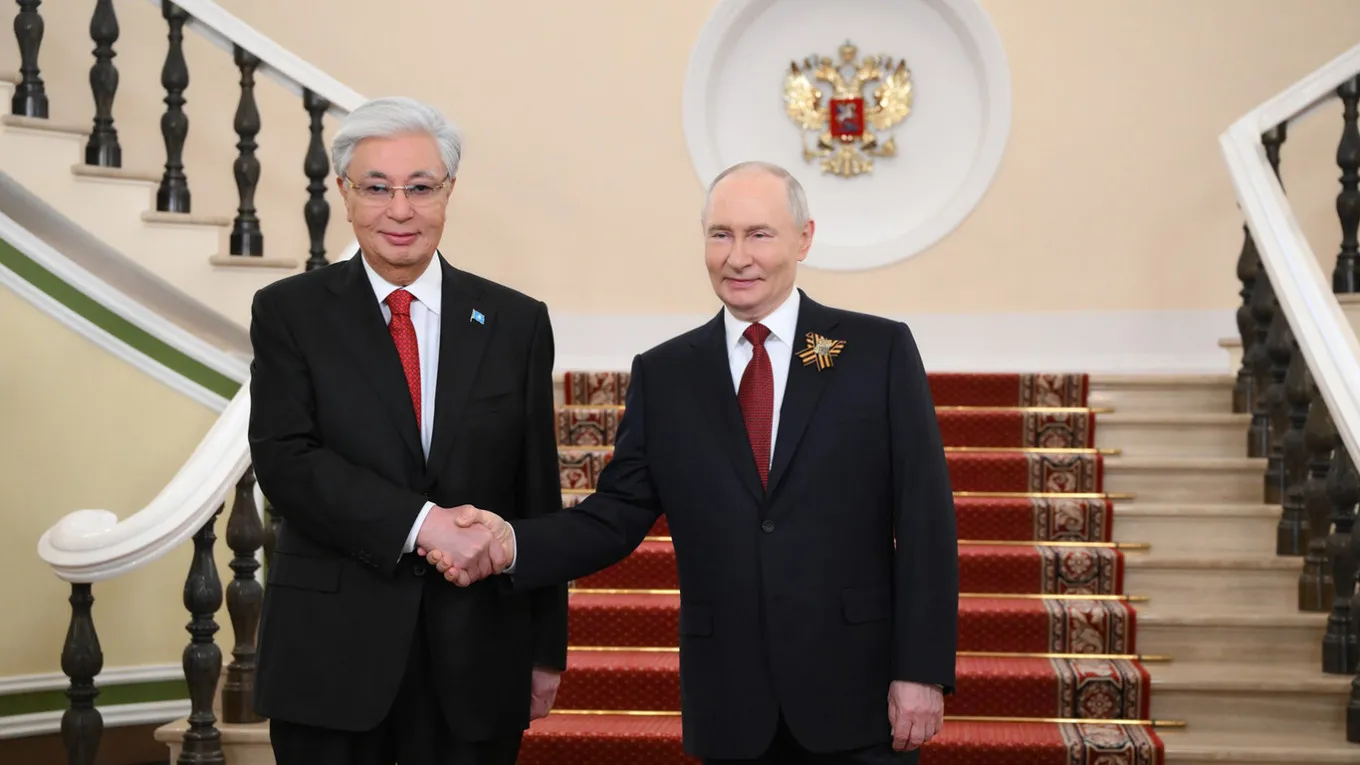
On September 30, Russia, Kazakhstan, Belarus, Kyrgyzstan, Tajikistan, and Uzbekistan agreed to promptly exchange information on “terrorist and extremist organizations, groups, and individuals” that, according to the document, pose “a threat to the security of states.” The corresponding cooperation agreement was signed by the attorneys general of the six countries in Kazan.
The exchange of data will also cover the international contacts of “terrorists and extremists,” as well as actions aimed at “undermining the sovereignty” of the signatory states. Separately, the agreement provides for the transfer of information about foreign “terrorists” who are abroad, as well as those returning to their countries of origin, and their family members.
The agreement was concluded against the backdrop of Russia’s expansion of the list of individuals whom the authorities classify as “terrorists and extremists.” While 1,400 people were added to the registry in 2022, 1,800 were added in 2023, 3,200 in 2024, and from January through October 2025, another 3,031 people were added to the list.
This list included, among others, artists, musicians, journalists, civil society organizations, and political figures who opposed Vladimir Putin’s policies and the war. Among those added to the registry are journalist Yuri Dud, Telegram founder Pavel Durov, the human rights project “Memorial,” and the “Russian Anti-War Committee.”
Since the start of the war, Rosfinmonitoring has also added 754 teenagers and at least 24 Russian scientists to the list.
This has been reported by Russian propaganda media outlets.
Kazakhstan is demanding that Russia return its citizens who have been conscripted into the army.
Following reports of a possible new wave of mobilization, Russians began actively searching for real estate abroad. Thailand has become one of the most popular destinations. Between January and August 2026, Russian citizens purchased 1,050 properties there for a total of $123.5 million, or 10.4 billion rubles. The number of transactions was 38% higher than during the same period last year.
Russian dictator Vladimir Putin may be delaying a large-scale forced mobilization in Russia while the Kremlin assesses whether intensifying long-range strikes will allow it to achieve its objectives in the war against Ukraine. This is stated in an analysis by the Institute for the Study of War (ISW).




