
Investigation into lead poisoning in Nigeria becomes Online Journalism Awards finalist
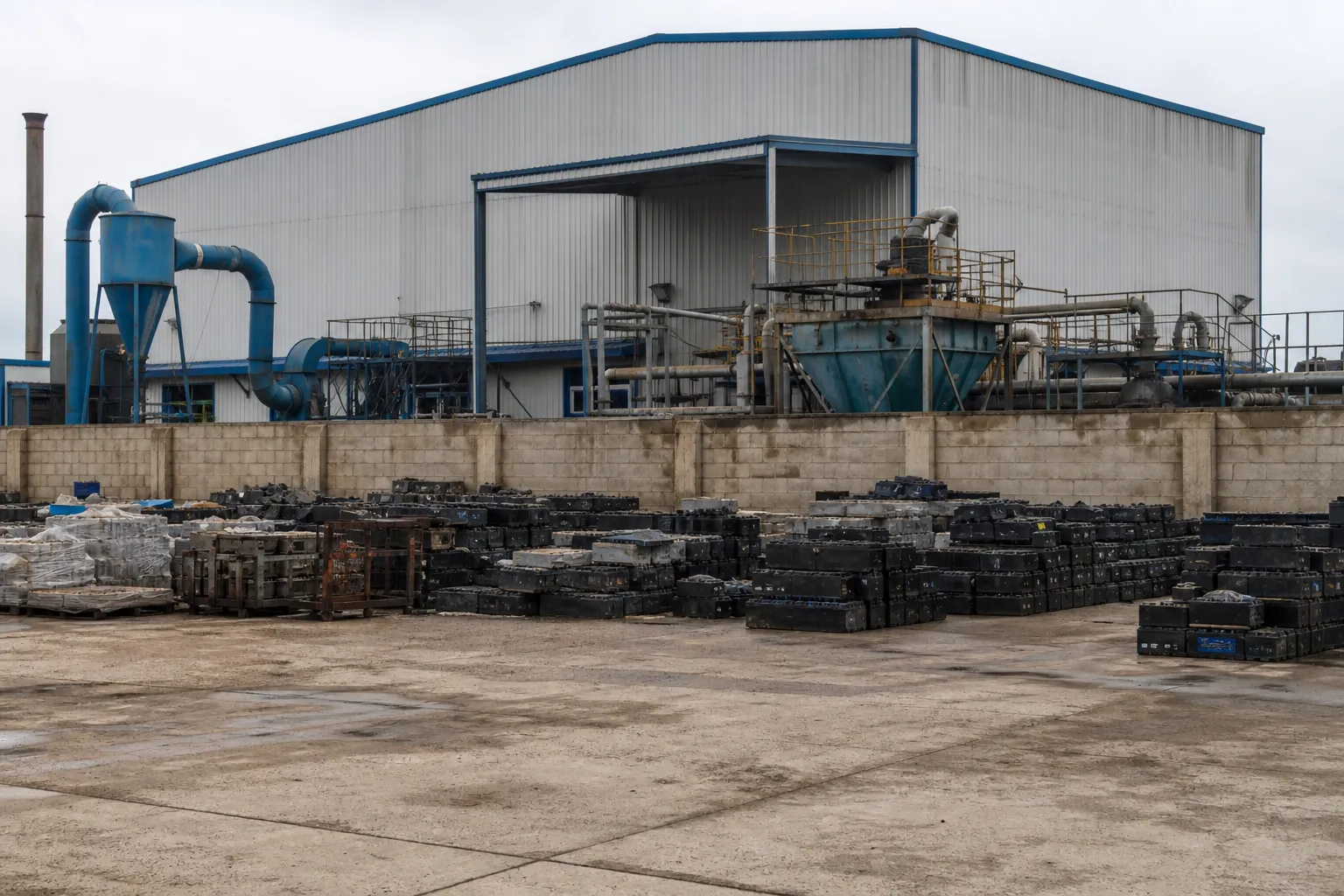
A joint investigation by Premium Times, The Examination, The New York Times and Truth Reporting Post into lead poisoning linked to battery recycling in Nigeria has become a finalist in two categories of the 2026 Online Journalism Awards. Premium Times Nigeria reports.
The project, titled “The Poisonous Lead Trade,” is in contention for the Al Neuharth Innovation in Investigative Journalism Award in the Large Newsroom category, as well as the Excellence in Collaboration and Partnerships award. In the first category, it is competing, among others, with work by Reuters and Bloomberg News; in the second, with projects by NBC News Digital and Forbidden Stories.
Research in Ogijo
Journalists examined the environmental and health consequences of lead-acid battery recycling in parts of Africa. Premium Times focused on the community of Ogijo in Ogun State, where several battery recycling facilities operate. According to the investigation, residents and workers near the plants were exposed to hazardous levels of lead contamination.
For the project, blood and environmental samples were analyzed among people who lived or worked near the facilities. Seventy volunteers took part in blood testing; seven out of ten had harmful lead levels. According to the authors, poisoning was found in all tested workers, while more than half of the children examined had lead levels high enough to cause lifelong brain damage.
More current news is available on the UA.News Telegram channel Telegram.
Authorities’ response and supply chain
Soil and dust samples collected near the plants showed significant contamination, according to the investigation. In some samples, lead concentrations substantially exceeded levels generally considered dangerous. The authors estimated that more than 20,000 people lived within a one-mile radius of the facilities.
The investigation also traced lead recycled in Nigeria to overseas buyers and the global automotive industry. In particular, according to its findings, U.S. company East Penn Manufacturing bought Nigerian lead through trading company Trafigura. After publication, East Penn Manufacturing said it would stop importing lead from Nigeria and strengthen procurement checks.
According to Premium Times, after the reports were published, Nigeria’s National Environmental Standards and Regulations Enforcement Agency (NESREA) shut down battery recycling facilities in Ogijo over environmental concerns. Ogun State authorities announced response measures, including plans to test residents for lead, while the House of Representatives called for an investigation and an emergency response.




