
Court reclassifies charges in case of 236 deaths at Jet Set — The Rio Times
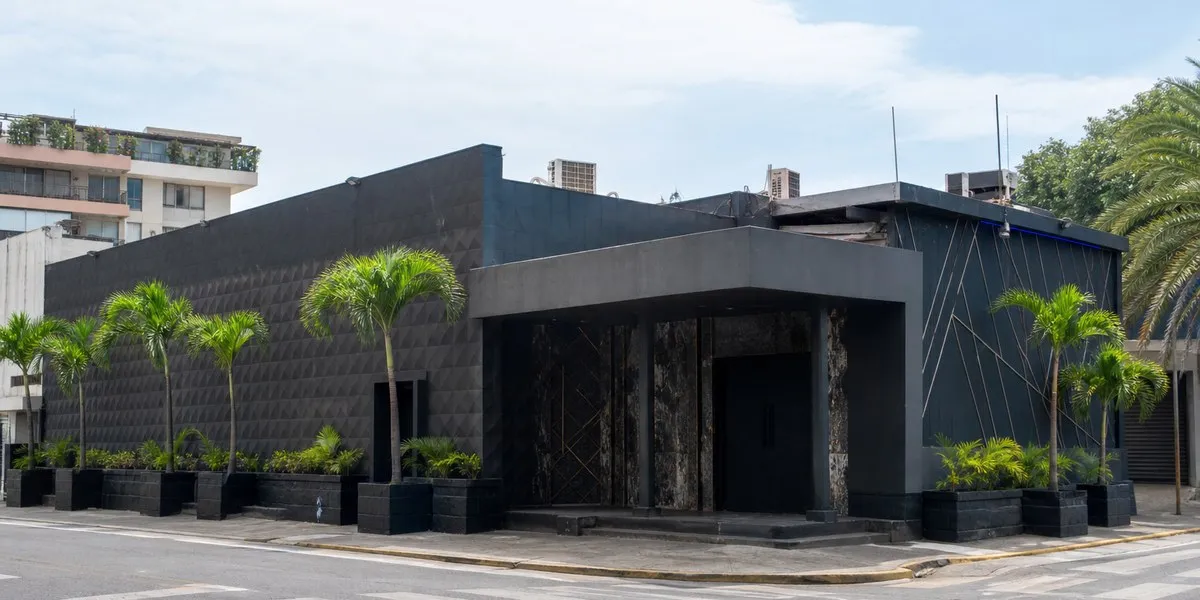
In Santo Domingo, Dominican Republic, a judge on October 16 changed the legal classification of charges against Jet Set nightclub owners Antonio and Maribel Espaillat in the case concerning the roof collapse that killed 236 people. As The Rio Times reports, the case files were transferred to a collegiate tribunal, and hearings that began on August 28, 2026, are to start again.
The club’s roof collapsed during the night of April 8, 2025, during a concert by merengue performer Rubby Pérez, who also died. The number of people injured varies in the materials cited by the publication: some refer to more than 100 people, while others cite 180. The defendants have not been found guilty.
New classification
Previously, the club owners were charged with involuntary manslaughter and unintentional bodily injury. Judge Franny González Castillo changed the classification to murder with eventual intent. According to the publication, which cites local media outlet Hoy, the judge said that the evidence heard pointed to documented warnings and a decision not to suspend the venue’s operations.
More current news is available on the UA.News Telegram channel Telegram.
According to The Rio Times, the new classification carries a prison sentence of between three and 20 years. This exceeds the 10-year maximum jurisdiction of the chamber that heard the case, so the materials were transferred to a collegiate tribunal, which is to be selected by drawing lots.
Positions of the parties
The prosecution cites an engineering report according to which the collapse may have been caused by repeated overloading of the roof, including by air-conditioning units and water tanks. The defense submitted another report that identified the causes as the gradual deterioration of beams and construction defects. The court has not established which of these versions is correct.
In June 2025, the court ordered the Espaillats to report regularly, banned them from leaving the country, and set a financial guarantee of 50 million Dominican pesos for each of them. In June 2026, assets worth 500 million Dominican pesos were also frozen for possible compensation. The prosecution said it was ready to present the evidence again to the new tribunal.




