
SERAP demands explanations from Nigeria’s central bank over ₦1.63 trillion and $6.23 million — Premium Times Nigeria
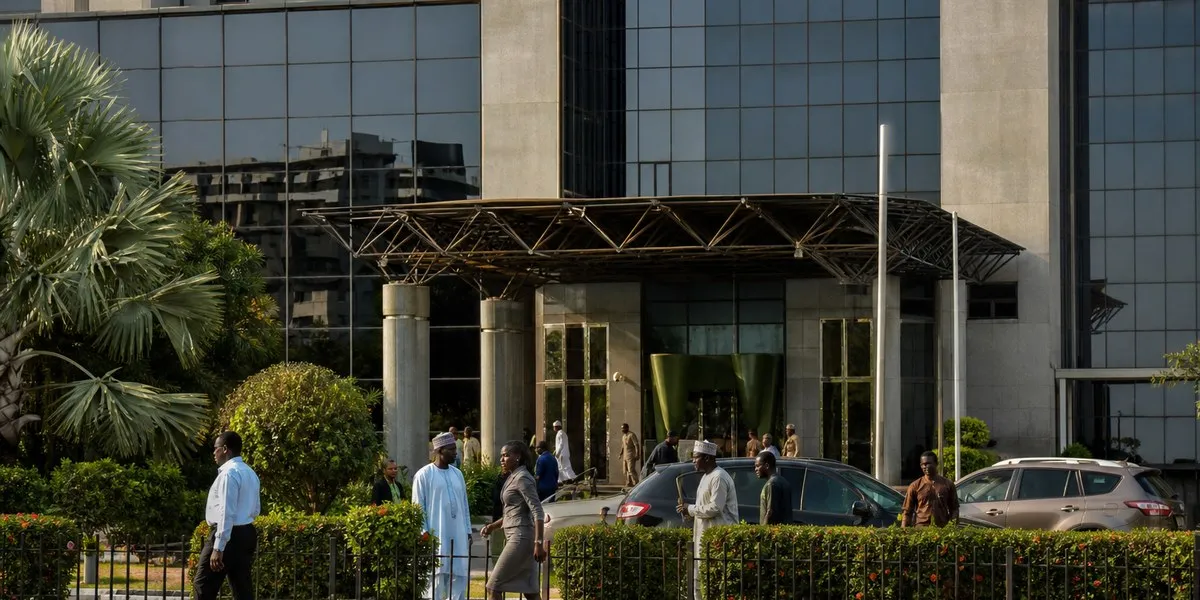
Nigerian organisation Socio-Economic Rights and Accountability Project (SERAP) has given the Central Bank of Nigeria and its governor, Olayemi Cardoso, seven days to account for $6.23 million and more than ₦1.63 trillion in public funds. SERAP said that otherwise it may resort to appropriate legal action.
As Premium Times Nigeria reports, the demand was set out in a SERAP letter dated 26 September 2026, signed by the organisation’s deputy director, Kolawole Oluwadare. It is based on Volume II of the Auditor-General of the Federation’s annual report for 2023, released on 7 August 2026. The audit findings concern transactions conducted from January to December 2023.
Unrepaid loans
SERAP is asking the central bank to provide information on more than ₦1.25 trillion in unrepaid loans issued to states under CBN intervention programmes, as well as ₦116.18 billion in loans to banks in distress or liquidation. The organisation demands the disclosure of information about recipients, disbursement amounts and debt recovery measures.
Separately, the matter concerns ₦262.86 billion allocated under the Anchor Borrowers’ Programme to support farmers and food production. According to audit data cited by SERAP, the central bank did not provide auditors with a list and the number of beneficiaries, an assessment of the programme’s results, or information on repayments. The report states that the money remained with some programme participants, which could have hindered the achievement of its food security objectives.
More current news is available on the UA.News Telegram channel Telegram.
Election funds
SERAP also demands the publication of the results of an internal investigation into $6.23 million at the central bank’s Abuja branch. According to the Auditor-General’s report, the CBN’s internal audit said the funds were spent following an alleged request by former Nigerian President Muhammadu Buhari to finance elections.
According to SERAP, the central bank did not provide auditors with the report on this investigation for verification and confirmation. The Auditor-General expressed concern that the funds may have been lost and that the payments may have been fraudulent, recommending that the funds be recovered and paid into the public treasury.
The organisation called on the CBN to identify those responsible for the transactions, take disciplinary action and refer possible criminal cases to the Economic and Financial Crimes Commission, the Independent Corrupt Practices Commission and other competent authorities. SERAP also proposed an independent forensic reconciliation of the amounts stated in the auditor’s report.




