
Sweden brings back paper textbooks and limits screens in schools — Daily Maverick
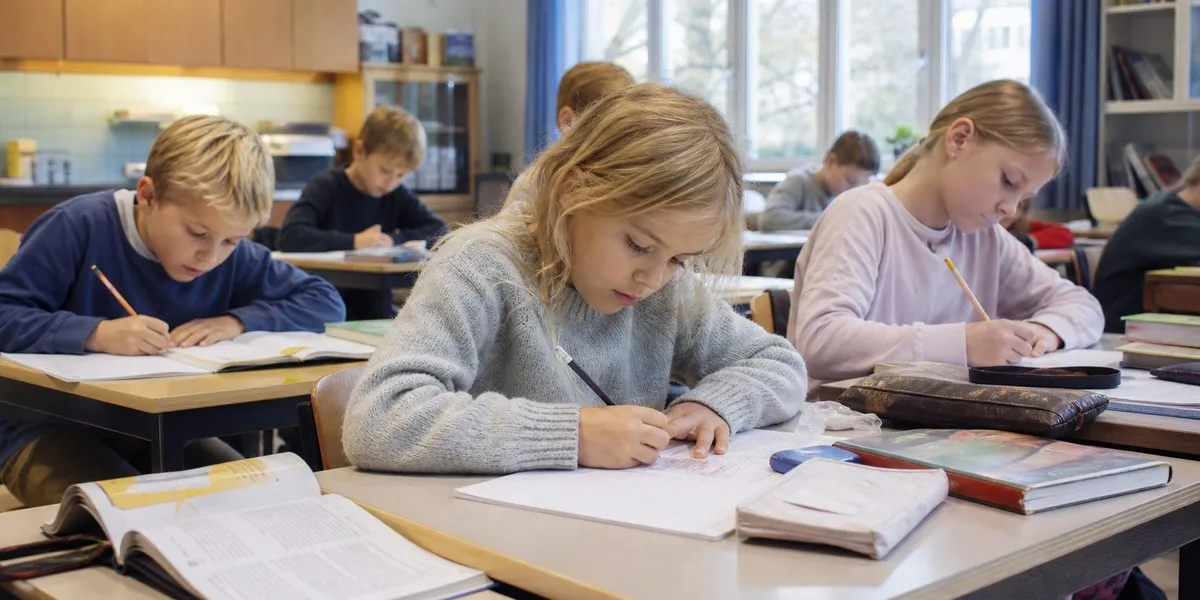
After years of actively introducing digital learning, Sweden has begun bringing paper textbooks, handwriting and restrictions on the use of electronic devices back to schools. As Daily Maverick writes, the government’s description of these changes, published in February 2024, provides for limited access to digital devices for younger pupils and a ban on mobile phones from the start of the school day.
Reasons for the change in approach
The digitalisation strategy proposed by the Swedish National Agency for Education raised concerns among researchers, neuroscientists and paediatricians during consultations. Columnist Stephen Mehaney notes that the evidence underpinning the policy change did not show improved learning outcomes through intensive use of technology. According to him, this affected most those pupils who were already experiencing learning difficulties.
The article states that screen-based learning can weaken concentration, reduce reading comprehension and affect basic writing skills in younger children. Handwriting, unlike typing, simultaneously engages motor, visual and language systems as well as memory. The author also refers to studies linking reading on paper with deeper understanding and better retention of information.
More current news is available on the UA.News Telegram channel Telegram.
Technology as a tool
Mehaney stresses that the Swedish experience does not mean abandoning technology in schools. In his view, digital solutions should complement teachers’ work rather than replace it. He suggests assessing such tools by their impact on learning outcomes, rather than by the number of devices in classrooms.
The article names Eneza Education, M-Shule and Rori by Rising Academies as examples of digital educational platforms adapted to African conditions. They operate with limited internet connectivity, use basic mobile phones and offer modular content aligned with curricula and available in pupils’ native languages.
The author believes that direct interaction, language development and physical activity remain key for younger schoolchildren. For older pupils, digital tools can be useful alongside notebooks, paper materials and work with a teacher — in particular for prompt feedback, identifying knowledge gaps and reducing teachers’ administrative workload.


