
Strong peso holds back Argentina’s economic growth — Buenos Aires Times
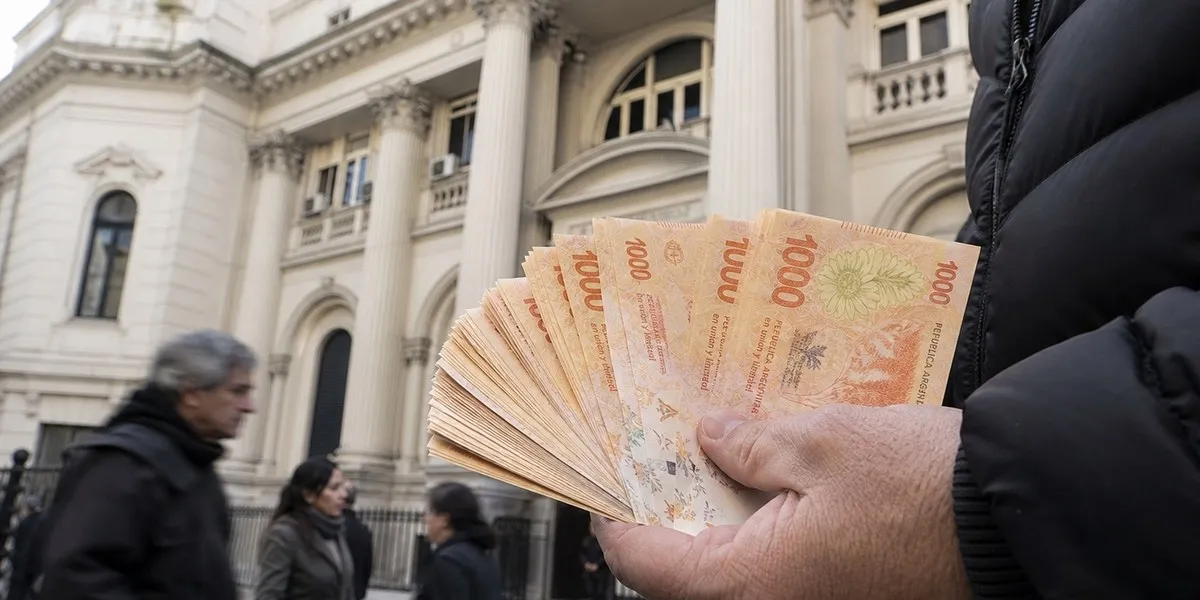
In Argentina, President Javier Milei’s policy of curbing inflation through a strong peso is increasingly weighing on economic growth. From the start of the year through August, the peso weakened against the dollar by only 3.7%, while consumer prices rose by 21.3%, meaning a real appreciation of the national currency, Buenos Aires Times reports.
Analysts expect Argentina’s GDP to have contracted by 0.9% in the second quarter compared with the previous quarter. The national statistics bureau INDEC is due to release the data on Thursday. Barclays analyst Ivan Stambulski said that one of the main reasons for weak results in non-commodity sectors is the excessively strong real effective exchange rate under the current set of economic measures.
Central bank intervention
In the first half of the year, foreign-currency revenue from the soybean harvest and substantial placements of debt instruments by Argentine companies abroad supported the supply of dollars. This allowed the central bank to replenish reserves without significant pressure on the peso.
In the second half of the year, foreign-currency inflows from agricultural exports and corporate borrowing declined. According to local brokerage firm Facimex, the volume of exchange-rate-linked hedging instruments more than doubled over five months. At the end of August, the private sector held around US$12 billion in futures contracts, dual bonds and dollar-linked securities, compared with US$5.2 billion at the end of March.
More current news is available on the UA.News Telegram channel Telegram.
Stambulski noted that the Central Bank of Argentina stepped up interventions: it sold hedging instruments, slowed the pace of currency purchases on the spot market and allowed rates to rise. This strategy helped keep the exchange rate near 1,500 pesos per dollar. Last year, analysts surveyed by the central bank forecast an exchange rate of 1,811 pesos per dollar by December 2026, and last month revised the forecast to 1,629 pesos per dollar.
Pressure on production and lending
A stronger peso in real terms reduces the competitiveness of local producers while making imports cheaper. Economists cut their forecast for Argentina’s economic growth in 2026 to 2.1% from 3.5% several months earlier.
Monthly inflation under Milei’s presidency slowed from 25.5% in his first month in office to 1.7% in August. At the same time, the figure that Milei expected to see below 1% remains closer to 2%.
Higher interest rates also constrain lending. The pressure is particularly noticeable in labor-intensive sectors — industry, retail trade and construction. In August, construction activity fell by 4.5% year on year, while industrial production declined by 4.9%.


