
Heat changes properties of sake rice in Japan — The Japan Times
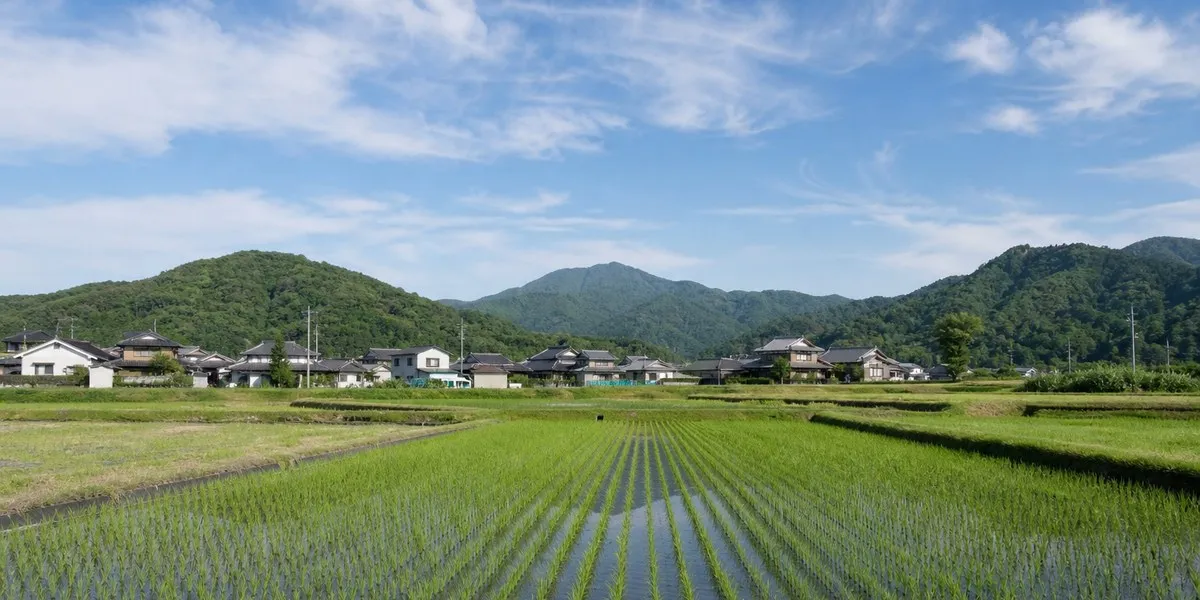
In Japan’s Hyogo Prefecture, hotter summers are worsening the quality of popular rice varieties used for sake production, including Yamada Nishiki, which accounts for nearly 40% of the country’s production of such rice. Producers and researchers are testing the heat-resistant Hyogo Sake 85 variety, which is expected to better withstand high temperatures, The Japan Times reports.
Problems for popular varieties
Hyogo produces around 30% of Japan’s sake rice. The grains of varieties specially bred for brewing contain a white starchy core called shinpaku: koji mold converts its starch into glucose, which yeast feeds on during alcohol production.
According to Takumi Sugimoto, director of the Awaji Agricultural Technology Institute at the Hyogo Prefectural Technology Center for Agriculture, Forestry and Fisheries, rice quality deteriorates when the average temperature for about 20 days after flowering exceeds 27 degrees Celsius. During grain filling, heat promotes the appearance of smaller milky-white grains and reduces the share of grains with developed shinpaku.
High temperatures also alter the properties of starch inside the core, making it harder for koji enzymes to break it down. As a result, yeast receives less sugar, less sake is produced from a kilogram of rice, and more solid residue remains after pressing.
More current news is available on the UA.News Telegram channel Telegram.
Heat-resistant Hyogo Sake 85
Hyogo Sake 85 began to be developed in 1986 by crossing Yamada Nishiki with a Korean variety selected for its short stalk, disease resistance and high yield. The variety received its official name in 2017, and the following year three Hyogo breweries, including Yamana Shuzo in the city of Tamba, released the first commercial sake made from this rice.
Under warmer ripening conditions, HS85 has significantly fewer immature grains damaged by heat than Gohyakumangoku and Hyogo Kita Nishiki, while providing comparable yields. It also has high resistance to a fungal rice disease and shorter stalks that are more resistant to lodging.
At the same time, this variety ferments faster, so producers need to control the temperature more carefully. At Yamana Shuzo, the amount of water added during production is slightly reduced to slow the pace of fermentation. Brewery owner Yoichiro Yamana said HS85 produces a richer flavor and a distinct fresh finish compared with Yamada Nishiki, although the traditional variety may be better suited to more delicate sake styles.
As of July 2025, Hyogo Sake 85 was grown on 17 hectares across Japan, while the area planted with Yamada Nishiki in Hyogo alone was 4,697 hectares. Sugimoto attributes the slow spread of the new variety to the recognition of Yamada Nishiki and the need to establish seed production.




