
Nepal’s court suspends two House of Representatives rules — Kathmandu Post
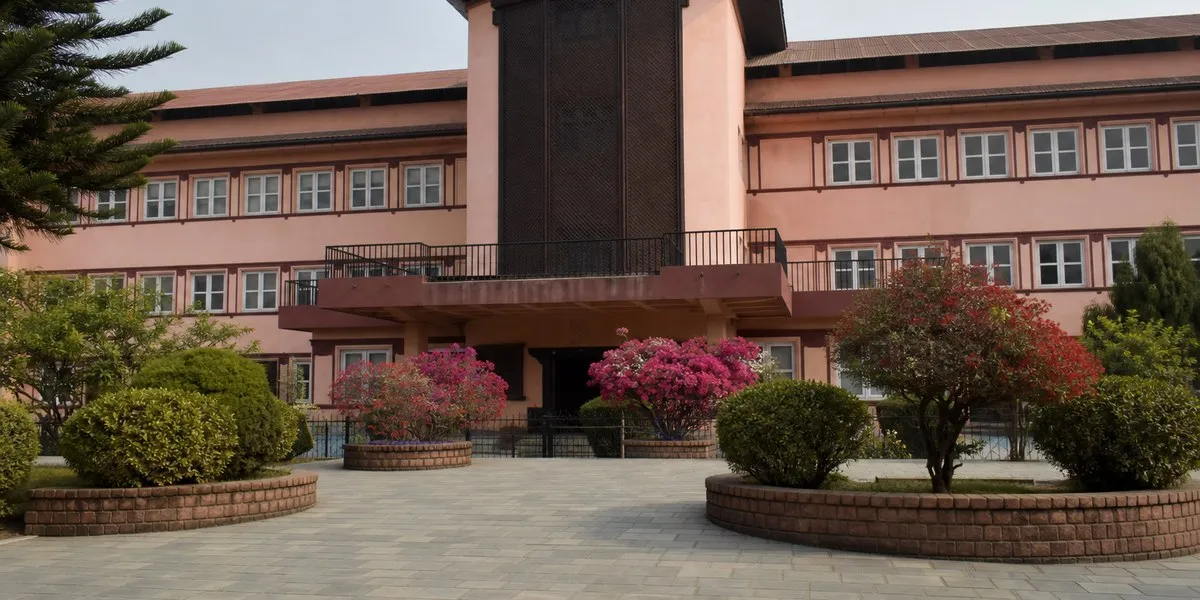
Nepal’s Supreme Court has temporarily suspended the application of two provisions of the House of Representatives Rules of Procedure — Rules 140(11) and 259. The interim order concerns provisions adopted by the lower house of parliament on May 31.
Contested provisions
As Kathmandu Post reports in an editorial, Rule 140(11) provided for the possibility of certifying bills on constitutional amendments through a combined vote of the two houses of parliament by a two-thirds majority.
According to the publication, this could have made it easier for the ruling Rastriya Swatantra Party to introduce constitutional amendments. The party holds nearly two-thirds of the seats in the House of Representatives but does not have a single seat in the National Assembly. The publication believes that, with the support of several allied parties, the RSP could have secured the required combined majority in the two houses.
More current news is available on the UA.News Telegram channel Telegram.
Rule 259 granted the Rules of Procedure the status of a special federal law. In Kathmandu Post’s view, this could have placed the Rules of Procedure above other legislative acts and potentially put members of the lower house beyond the reach of the law.
Editorial position
The article states that in a bicameral parliamentary system, both houses bear shared responsibility for lawmaking. The editorial emphasizes that the adoption by one house of rules granting it extraordinary powers runs counter to constitutional and democratic principles.
Kathmandu Post called on the Rastriya Swatantra Party to bring the contested provisions into line with the Constitution and begin a broad discussion of the issue in the House of Representatives. The Supreme Court has not yet issued a final ruling in the case.


