
Russian court sentences activist Khankhalaeva in absentia to 20 years — The Moscow Times
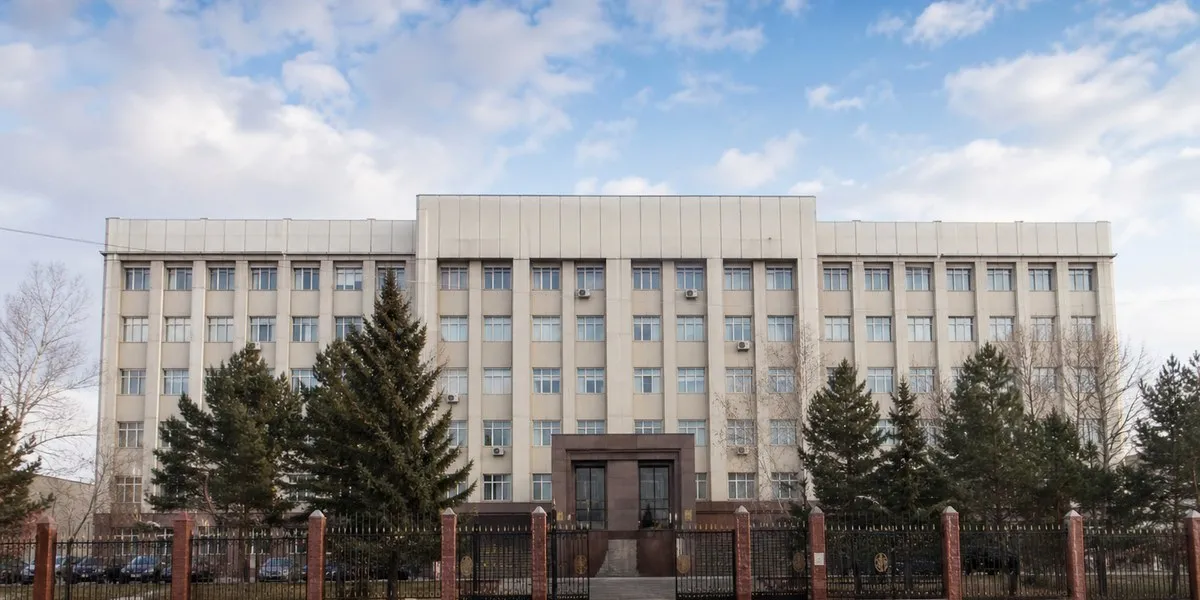
The Chita military court in the Russian Federation — an aggressor state — sentenced Buryat activist Marina Khankhalaeva in absentia to 20 years in prison for organizing an “extremist group” and participating in a “terrorist organization,” The Moscow Times reports, citing the Buryatia Interior Ministry.
Russian authorities’ accusations
Russian authorities claim that Khankhalaeva conducted “anti-state activities” aimed at separating Buryatia from Russia and allegedly incited social and interethnic hatred. The verdict was handed down in August, but only became publicly known now.
The 53-year-old Khankhalaeva lives in the United States, is an opera singer and the founder of the Tusgaar Buryad-Mongolia movement. The movement operates in exile and advocates for the independence of the Siberian republic of Buryatia from Russia. The activist said that she herself learned about the verdict from the news, as she had been trying to find out whether a case had been opened against her. According to her, this information appeared to be classified.
More current news is available on the UA.News Telegram channel Telegram.
The activist’s position
Khankhalaeva denied the accusations brought against her. According to her, Tusgaar Buryad-Mongolia has never called for violence and advocates achieving its goals exclusively through non-violent methods.
She also said that she expected a reaction from the Russian authorities after the second Congress of supporters of Buryatia’s independence was held in the United States last month. In 2024, Russian authorities added Tusgaar Buryad-Mongolia to a list of 172 ethnic, indigenous, decolonial groups and media outlets designated as “terrorist.” That same year, the movement was also declared “extremist” over ties to the so-called “Anti-Russian Separatist Movement,” which, according to the publication, does not exist.
Buryatia is a resource-rich region with a population of about 970,000 people and more than 1,000 kilometers of border with Mongolia. Almost one-third of its residents identify as Buryats, a Mongolic ethnic group indigenous to this region.




