
September 12 Holiday: Cape Verde National Day—The History of the Struggle for Freedom
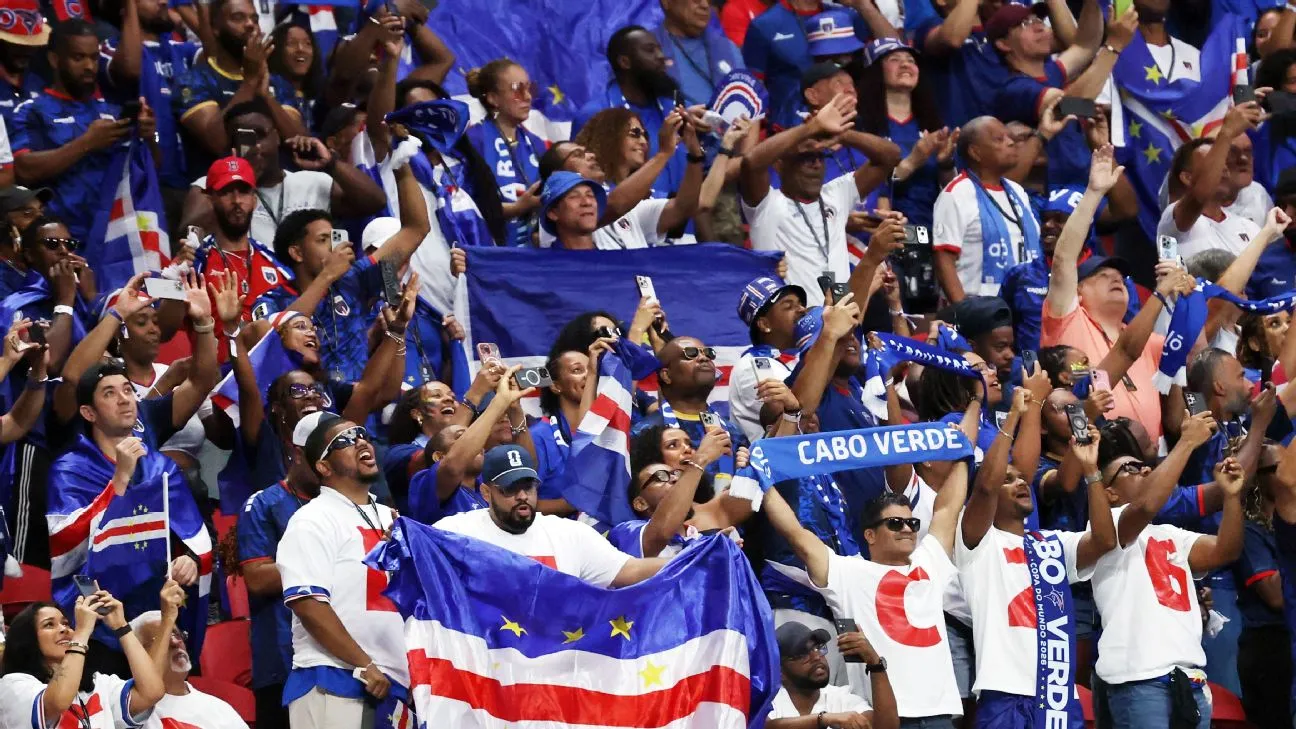
September 12 in Cape Verde is associated with one of the most important figures in the country’s history—Amilcar Cabral, who was born on this day in 1924. After Cape Verde declared independence in 1975, the date was officially designated as National Day. Although its status has since changed, September 12 remains an important historical date for the country and a day to commemorate one of the leaders of the struggle against Portuguese colonial rule.
September 12 marks the birthday of Amilcar Cabral—a political figure, writer, and one of the principal leaders of the anti-colonial movement in West Africa. He was born on September 12, 1924, in Bafat, in what was then Portuguese Guinea. His activities were closely linked to both Guinea-Bissau and Cape Verde. After Cape Verde gained independence from Portugal on July 5, 1975, the new government attached special significance to the date. In a law passed in the early days of the independent state, September 12 was declared National Day. The document named Cabral the founder of the nation and one of the leading figures in the struggle for independence.

In 2026, September 12 falls on a Saturday. However, Cape Verde’s current calendar of public holidays differs from that of the early years of independence. In 1991, following a change in the political system, September 12 ceased to be an official holiday, and the status of National Day and National Heroes Day was transferred to January 20. Representatives of the National Assembly of Cape Verde spoke explicitly about this change. Therefore, today, September 12 is more accurately viewed primarily as an important historical date associated with Amilcar Cabral, rather than as a current nationwide holiday with the same status it held after the declaration of independence.
Who Was Amilcar Cabral
Amilcar Cabral was one of the most prominent figures in the anti-colonial movement in Africa. He was born in 1924 to a family of Cape Verdean origin and was educated in Portugal. After returning to Africa, Cabral became actively involved in issues related to the development of the local population and the struggle against the colonial system. In 1956, he became one of the founders of the African Party for the Independence of Guinea and Cape Verde (PAIGC). The organization advocated for an end to Portuguese colonial rule and the attainment of independence. Subsequently, the PAIGC led the liberation struggle in Guinea-Bissau, and its activities became an important part of the process that ultimately led to Cape Verde’s independence.
Cabral did not live to see the declaration of Cape Verde’s independence. He was assassinated on January 20, 1973, in Conakry, two years before the archipelago gained independence. That is why January 20 later became National Heroes’ Day in Cape Verde. Nevertheless, Cabral’s birthday remains an important date for the country. His name is associated with the formation of modern Cape Verdean national identity and the struggle for self-determination.
How Cape Verde Gained Independence
Cape Verde was under Portuguese rule for centuries. The islands served as a key stop on maritime trade routes, and their history was closely tied to the transatlantic slave trade. After the abolition of the slave trade and due to challenging natural conditions, the archipelago’s economic situation remained dire. In the 20th century, independence movements gained momentum in Portugal’s African colonies. One of the most influential was the PAIGC, founded with the participation of Amílcar Cabral. The party united supporters of independence in Guinea and Cape Verde.
In December 1974, an agreement was signed between the PAIGC and Portugal, which initiated Cape Verde’s transition to independence. A transitional government was formed, and elections to the National People’s Assembly were subsequently held. On July 5, 1975, Cape Verde officially declared its independence. This date is now the country’s main Independence Day and an official national holiday.
Why September 12 Became National Day
The choice of the date was directly linked to the figure of Amílcar Cabral. For the new state, he was not merely a political figure, but one of the symbols of the struggle for national self-determination. In the first legislative acts of independent Cape Verde, September 12 was explicitly designated as National Day. The date coincided with Cabral’s birthday, and he was officially recognized as the founder of the nation. At the same time, a medal bearing his name was established—one of the country’s highest state honors.
Thus, September 12 was meant to symbolize not a military victory or a specific political event, but the formation of national consciousness. The date served as a reminder of a man who played a significant role in the struggle for the right of the archipelago’s inhabitants to determine their country’s future independently.
What Changed After 1991
The status of September 12 changed following the political upheavals in Cape Verde in the early 1990s. In 1991, the country held its first multiparty elections, after which a new political system took shape. Along with these political changes, the calendar of public holidays was revised. September 12 ceased to be an official holiday, while January 20 was designated as Nationality and National Heroes Day. On this day, people also commemorate Amílcar Cabral, who was assassinated on January 20, 1973.
Therefore, in modern Cape Verde, you may encounter various names and interpretations of September 12. Historically, it was National Day, which existed in the early years of independence. Today, however, the official calendars of public holidays have a different structure.
September 12 and the Youth Movement
In 2015, the Cape Verdean government designated September 12 as National Youth Associativism Day through a separate resolution. Thus, the date acquired yet another official significance. The choice of this particular day was also linked to Amilcar Cabral. In Cape Verdean historical tradition, he is regarded as a figure who supported the active participation of young people in social and political life.

Youth Associativism Day is intended to draw attention to the work of youth organizations, volunteer groups, and civic initiatives. For a small island nation, such organizations play an important role in community life. In 2015, the government also highlighted the large number of youth associations and groups operating in the country. That is why September 12 today can be associated not only with historical memory but also with contemporary youth activism.
How September 12 Is Observed
The formats for observing this date may vary depending on the year and the specific organizers. When it comes to historical remembrance, the main focus is on the figure of Amílcar Cabral and the history of Cape Verde’s struggle for independence. Cultural and educational events dedicated to the history of the liberation movement may take place across the country. Meetings, exhibitions, public discussions, and events involving youth organizations are also organized.
Events related to preserving historical memory hold a special place. Schools and public institutions may teach about the colonial past, the activities of the PAIGC, and the country’s path to independence. In 2024, marking the 100th anniversary of Cabral’s birth, September 12 was a particularly significant date in Cape Verde. Government institutions joined in the anniversary celebrations, and the National Assembly discussed Cabral’s role in the country’s history.
Interesting Facts About the Date
September 12 is Amilcar Cabral’s birthday. He was born on September 12, 1924, and became one of the most prominent figures in the anti-colonial movement in Africa.
Originally, this was Cape Verde’s official National Day. The independent state enshrined this date in law as early as 1975.
In 1991, the status of the date changed. September 12 ceased to be an official holiday, and January 20 became National Day and National Heroes’ Day.
Cabral did not live to see Cape Verde’s independence. He was assassinated on January 20, 1973, two years before the country declared its independence.
July 5 is Cape Verde’s main Independence Day. It was on July 5, 1975, that the country officially declared its independence from Portugal.
In 2015, September 12 took on another official significance. The government designated it as National Youth Associativism Day.
Why This Date Is Important for Cape Verde
The history of September 12 clearly illustrates just how profoundly political changes can influence the national calendar. Initially, the date was one of the main symbols of the young independent state. Later, its status was changed, but the historical memory itself has not faded away. For Cape Verde, Amílcar Cabral remains one of the key figures in national history. His name is associated with the struggle against colonial rule, the founding of the PAIGC, and the idea of independence. That is why his birthday continues to hold great symbolic significance.
At the same time, the modern significance of September 12 has broadened. It is linked not only to the history of the liberation struggle but also to youth and civic initiatives. Thus, September 12 in Cape Verde is an important historical date that dates back to the early years of the country’s independence and is dedicated to Amílcar Cabral. Today, it is no longer an official national holiday in the sense that it was after independence, but the day remains significant in the social and historical life of the archipelago.


